
Polypsocus
Hagen, 1866
hairy-winged barklice
Species Guides
1- Polypsocus corruptus(Corrupt Barklouse)
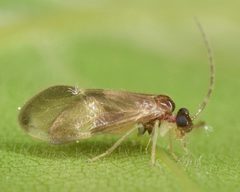
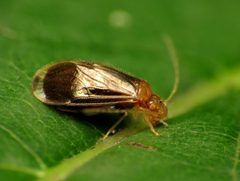
Polypsocus is a of hairy-winged barklice in the Amphipsocidae, established by Hagen in 1866. The genus contains more than 20 described distributed primarily in the Americas. These insects are small, soft-bodied associated with bark and lichen . They are part of the diverse Psocodea order, which includes booklice, barklice, and parasitic lice.
Pronunciation
How to pronounce Polypsocus: /ˌpɒlɪpˈsoʊkəs/
These audio files are automatically generated. While they are not always 100% accurate, they are a good starting point.
Identification
Members of Polypsocus can be distinguished from other barklice by their hairy wings, a characteristic referenced in their . As Amphipsocidae, they likely possess broad wings with reduced venation compared to some other . Definitive -level identification requires examination of genitalic structures and wing venation patterns, which vary among the 22+ described species.
Images
Distribution
Recorded from Mexico, Panama, Brazil, and the United States (including Vermont). The appears to have a Neotropical and Nearctic distribution pattern, though specific range limits for individual remain poorly documented.
Ecological Role
As barklice, members of this likely contribute to nutrient cycling by feeding on detritus, lichens, , and fungal spores on tree bark and rock surfaces. They serve as prey for various small arthropods and may facilitate spore in their .
Human Relevance
Polypsocus pose no known economic or medical significance to humans. They are not household pests like some relatives and are primarily of interest to entomologists studying psocid diversity and .
Similar Taxa
- AmphipsocusAlso in Amphipsocidae; Polypsocus distinguished by specific wing hair and genitalic characteristics
- CaeciliusIn related Caeciliidae; lacks the pronounced wing hairiness characteristic of Polypsocus
More Details
Taxonomic History
The was established by Hermann August Hagen in 1866. It is the type genus of the tribe Polypsocini within Amphipsocinae. The classification within Psocomorpha has been refined through molecular and morphological studies, though -level remains incompletely resolved.
Research Status
Despite over 20 described , Polypsocus remains understudied. Most species descriptions date from early twentieth-century taxonomic works. Modern revisionary studies incorporating molecular data are lacking for this .