
Aeoloplides tenuipennis
(Scudder, 1897)
narrow-winged saltbush grasshopper, narrow-winged bush grasshopper
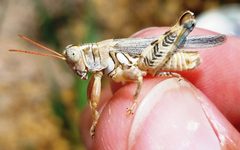
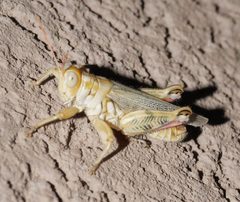
A spur-throated grasshopper specialized on chenopod plants, particularly saltbushes (Atriplex ). It inhabits arid and semi-arid regions of the southwestern United States and northern Mexico, where it feeds on plants often considered noxious weeds, including Russian thistle (Salsola tragus). The species is generally regarded as beneficial or innocuous in rangeland settings rather than a crop pest.
Pronunciation
How to pronounce Aeoloplides tenuipennis: /ˌiː.əʊˈlɒplɪˌdiːz ˌtɛnjuˈɪpɛnɪs/
These audio files are automatically generated. While they are not always 100% accurate, they are a good starting point.
Identification
Member of the spur-throated grasshopper Melanoplinae, characterized by a distinct spur on the . Specific diagnostic features for this are not documented in available sources; identification to species level requires reference to specialized keys for western North American Melanoplinae. The refers to relatively narrow wings compared to .
Images
Habitat
Lower Sonoran life zone desert scrub, alkali flats, and grasslands. Associated with saltbush-dominated vegetation, particularly fourwing saltbush (Atriplex canescens) and cattle saltbush (Atriplex polycarpa). Also found in greasewood (Sarcobatus vermiculatus) and seepweed (Suaeda) .
Distribution
Eastern California, Arizona, southwestern New Mexico, north through Utah and southern Nevada to southern Idaho. Also occurs in northern Mexico. In Wyoming, probably present in the Bear River watershed but not confirmed by survey collections.
Diet
Specialized feeder on chenopod plants ( Chenopodiaceae/Amaranthaceae). Documented plants include fourwing saltbush (Atriplex canescens), cattle saltbush (Atriplex polycarpa), seepweed/seabite (Suaeda), greasewood (Sarcobatus vermiculatus), and introduced prickly Russian thistle (Salsola tragus).
Host Associations
- Atriplex canescens - food plantfourwing saltbush; abundant in southeastern Arizona
- Atriplex polycarpa - food plantcattle saltbush
- Suaeda - food plantseepweed or seabite
- Sarcobatus vermiculatus - food plantgreasewood
- Salsola tragus - food plantintroduced prickly Russian thistle (tumbleweed)
Life Cycle
Hemimetabolous development with five nymphal instars before reaching adulthood. Instar and measurements have been described for identification purposes. stage not explicitly documented in available sources.
Ecological Role
Functions as a specialized herbivore on chenopod shrubs in arid . By feeding on plants including noxious weeds like Russian thistle, it provides a beneficial or neutral ecological service in grazed rangelands rather than competing with livestock for forage.
Human Relevance
Generally considered innocuous to beneficial in cattle-grazed rangelands due to its specialized diet of plants often regarded as weeds. Not documented as a significant agricultural pest. Research interest exists in understanding its nymphal stages for potential management applications.
Similar Taxa
- Aeoloplides chenopodiiCongeneric with similar chenopod-feeding ; distinguished by distribution and subtle morphological differences
- Aeoloplides turnbulliCongeneric saltbush grasshopper; A. tenuipennis distinguished by narrower wings and more northern distribution
- Melanoplus angustipennisShares 'narrow-winged' but belongs to different ; distinguished by spur-throat and plant associations
Sources and further reading
- BugGuide
- Wikipedia
- GBIF taxonomy match
- iNaturalist taxon
- NCBI Taxonomy
- Catalogue of Life
- Grasshoppers of Colorado
- Wyoming Distribution Atlas
- Grasshopper Collections and Survey
- Grasshoppers of Colorado
- Species Records and Accounts
- Grasshoppers of Colorado
- Instars of Narrow-Winged Saltbush Grasshopper,Aeoloplides tenuipennis(Scudder, 1897) (Acrididae: Melanoplinae), with Notes on Habitat and Identification