
Aeropedellus arcticus
Hebard, 1935
Arctic Grasshopper
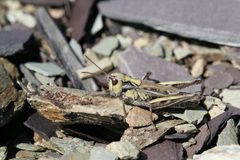
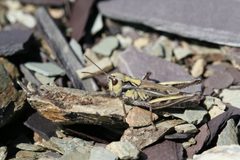
Aeropedellus arcticus is a of in the Acrididae, described by Hebard in 1935. It belongs to the Aeropedellus, commonly known as clubhorned grasshoppers due to their distinctive . The species epithet 'arcticus' suggests an association with arctic or high-latitude environments. As a member of the Gomphocerinae, it is part of a group characterized by slant-faced grasshoppers with specific antennal modifications. The species is known from Alaska and broader North America, though detailed biological studies appear limited compared to its A. clavatus.
Pronunciation
How to pronounce Aeropedellus arcticus: //ˌɛə.roʊ.pəˈdɛl.əs ɑːrkˈtɪ.kəs//
These audio files are automatically generated. While they are not always 100% accurate, they are a good starting point.
Images
Distribution
Alaska; North America (present)
Similar Taxa
- Aeropedellus clavatusCongeneric with similar clubbed ; A. clavatus is the type species of the and much better documented, potentially leading to confusion in identification or literature references
More Details
Taxonomic note
Aeropedellus arcticus is one of at least two in the Aeropedellus, which is characterized by the distinctive (clubbed) that give the group its . The genus is placed in tribe Gomphocerini within Gomphocerinae. While A. clavatus has been extensively studied as an agricultural pest in western North American grasslands, A. arcticus appears to have received less research attention. The specific epithet 'arcticus' and distribution records from Alaska suggest this species may be adapted to more northern or higher-elevation compared to its southern .
Data limitations
Most available information on Aeropedellus , , and economic importance in the provided sources refers specifically to A. clavatus, not A. arcticus. Direct application of A. clavatus traits to A. arcticus would constitute unsupported inference. The 24 iNaturalist observations suggest the is documented but not commonly encountered or reported.