
Sympetrum pallipes
(Hagen, 1874)
Striped Meadowhawk
Sympetrum pallipes, commonly known as the striped meadowhawk, is a of skimmer in the Libellulidae. It is found across North America. The species is classified as Least Concern by the IUCN with a stable , last reviewed in 2017. As a member of the Sympetrum, it shares characteristics with other meadowhawks, including late-season activity.
Pronunciation
How to pronounce Sympetrum pallipes: /sɪmˈpɛtrəm ˈpælɪpiːz/
These audio files are automatically generated. While they are not always 100% accurate, they are a good starting point.
Identification
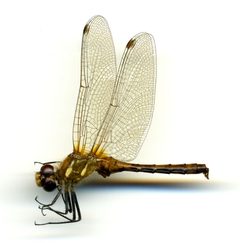
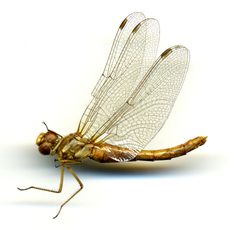
The striped meadowhawk can be distinguished from other Sympetrum by its namesake striping pattern. Like other meadowhawks in the , it is relatively small-bodied compared to other groups. hold their wings horizontally when at rest, characteristic of the Anisoptera (true dragonflies) suborder. Specific distinguishing features from such as Sympetrum corruptum (variegated meadowhawk) or Sympetrum madidum (red-veined meadowhawk) require closer examination of thoracic patterning and abdominal coloration.
Images
Distribution
North America. Specific range details within the continent are not documented in available sources.
Seasonality
As a meadowhawk , S. pallipes likely exhibits late-season activity typical of the Sympetrum, with active into autumn. One observation from Colorado in early October suggests persistence late in the season.
Life Cycle
As an odonate, S. pallipes undergoes with three stages: , nymph (aquatic), and . The aquatic nymph stage duration is unknown for this . Nymphs possess a prehensile, foldable lower lip used for capturing prey.
Human Relevance
The has been featured in educational materials, including coloring books used for public outreach at museum events. It serves as an example of skimmer dragonflies in North American biodiversity education.
Similar Taxa
- Sympetrum corruptumVariegated meadowhawk; similar size and preferences, distinguished by patterning details
- Sympetrum madidumRed-veined meadowhawk; another North American with overlapping range
- Sympetrum danaeBlack darter; European showing -level similarities in and
- Sympetrum striolatumCommon darter; European with similar meadowhawk characteristics
More Details
Taxonomic History
Originally described as Diplax pallipes by Hagen in 1874, later transferred to Sympetrum.
Conservation Status
IUCN Least Concern () as of 2017 review, with stable trend and no immediate threats identified.
Sources and further reading
- BugGuide
- Wikipedia
- GBIF taxonomy match
- iNaturalist taxon
- NCBI Taxonomy
- Catalogue of Life
- The Day That Dragonflies Sprang to Life | Bug Squad
- Lovin' the Lavender | Bug Squad
- Know Your Dragonflies! | Bug Squad
- Bug Eric: Shoot First, Ask Questions Later
- Beauties in the Bog - Buglife Blog - Buglife
- Secrets of the "Subnivium": Arthropod Community Thrives Beneath Winter Snowpack