
Libellula composita
(Hagen in Hayden, 1873)
Bleached Skimmer
Libellula composita, commonly known as the bleached skimmer, is a in the Libellulidae. It occurs in North America, with documented records from Colorado and other regions. The species is characterized by notably pale, almost translucent wing coloration, particularly in females. Its IUCN conservation status is Least Concern () as of 2017, with a stable and no immediate threats identified.
Pronunciation
How to pronounce Libellula composita: /lɪˈbɛl.jə.lə kəmˈpɒ.sɪ.tə/
These audio files are automatically generated. While they are not always 100% accurate, they are a good starting point.
Identification
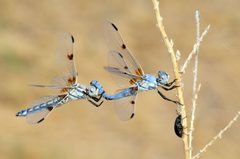
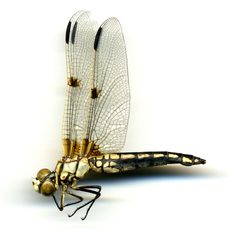
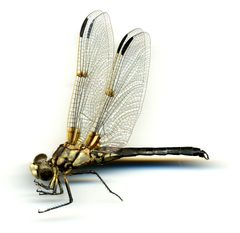
Distinguished from other Libellula skimmers by its exceptionally pale, bleached wing coloration, especially in females. The translucent, shimmering wing appearance is conspicuous in the field and visible even in harsh sunlight. May be mistaken for (newly emerged) individuals of other due to the pale coloration, but the bleached skimmer maintains this appearance as a mature . Close examination of wing venation and body structure is necessary for definitive identification; photographic documentation is recommended for confirmation.
Images
Appearance
exhibit pale, bleached-looking wings that appear notably lighter than most sympatric skimmer . Females are particularly bright and translucent, with wings that shimmer conspicuously in sunlight. The overall coloration is light, contributing to the . Body size and detailed color patterns are consistent with other Libellula species but require close examination for definitive identification.
Habitat
Associated with aquatic environments typical of , including ponds, , and slow-moving water bodies. Specific microhabitat preferences are not well documented.
Distribution
Recorded from North America, with confirmed observations from Colorado (Weld, Kiowa, Prowers, Bent, Pueblo, and Lincoln counties) and broader distribution across the continent. The persists into autumn in some regions, with late-season records documented.
Seasonality
Active during warmer months; documented records extend into autumn in Colorado, with observations as late as October. Specific varies by latitude and local climate conditions.
Life Cycle
Undergoes typical of Odonata: , aquatic nymph (larva), and stages. Larval stage is aquatic and predatory, though specific developmental duration and details are not documented for this .
Similar Taxa
- Libellula saturata (Flameskimmer)Both are Libellula skimmers with broad wings, but L. saturata is notably darker with males showing bright red-orange coloration, contrasting sharply with the pale, bleached appearance of L. composita
- Libellula luctuosa (Widow Skimmer)Similar wing shape and perching , but L. luctuosa has distinctive dark wing bands and a more robust dark body pattern, lacking the pale, translucent quality of L. composita
- Sympetrum species (Meadowhawks)Often sympatric and similar in size, but meadowhawks typically show more reddish or brownish coloration with patterned wings rather than the uniform pale, bleached appearance; also tend to have more slender
More Details
Conservation Status
IUCN Red List status: Least Concern (), reviewed in 2017. is considered stable with no immediate threats to survival.
Taxonomic History
Originally described as Mesothemis composita by Hagen in 1873; later transferred to Libellula.
Observation Notes
The may be underreported due to its resemblance to individuals of other species and its relatively weak compared to some sympatric , which can lead to dismissal by observers.
Sources and further reading
- BugGuide
- Wikipedia
- GBIF taxonomy match
- iNaturalist taxon
- NCBI Taxonomy
- Catalogue of Life
- Just Buggin' Ya | Bug Squad
- Dragonfly Enthusiasts, Unite! Open House Set Nov. 6 at Bohart Museum | Bug Squad
- Know Your Dragonflies! | Bug Squad
- Bohart Museum Open House: Dragonflies Rule! | Bug Squad
- The Wonder of Dragonflies | Bug Squad
- Bug Eric: Shoot First, Ask Questions Later