Leucorrhinia hudsonica
(Selys, 1850)
Hudsonian Whiteface
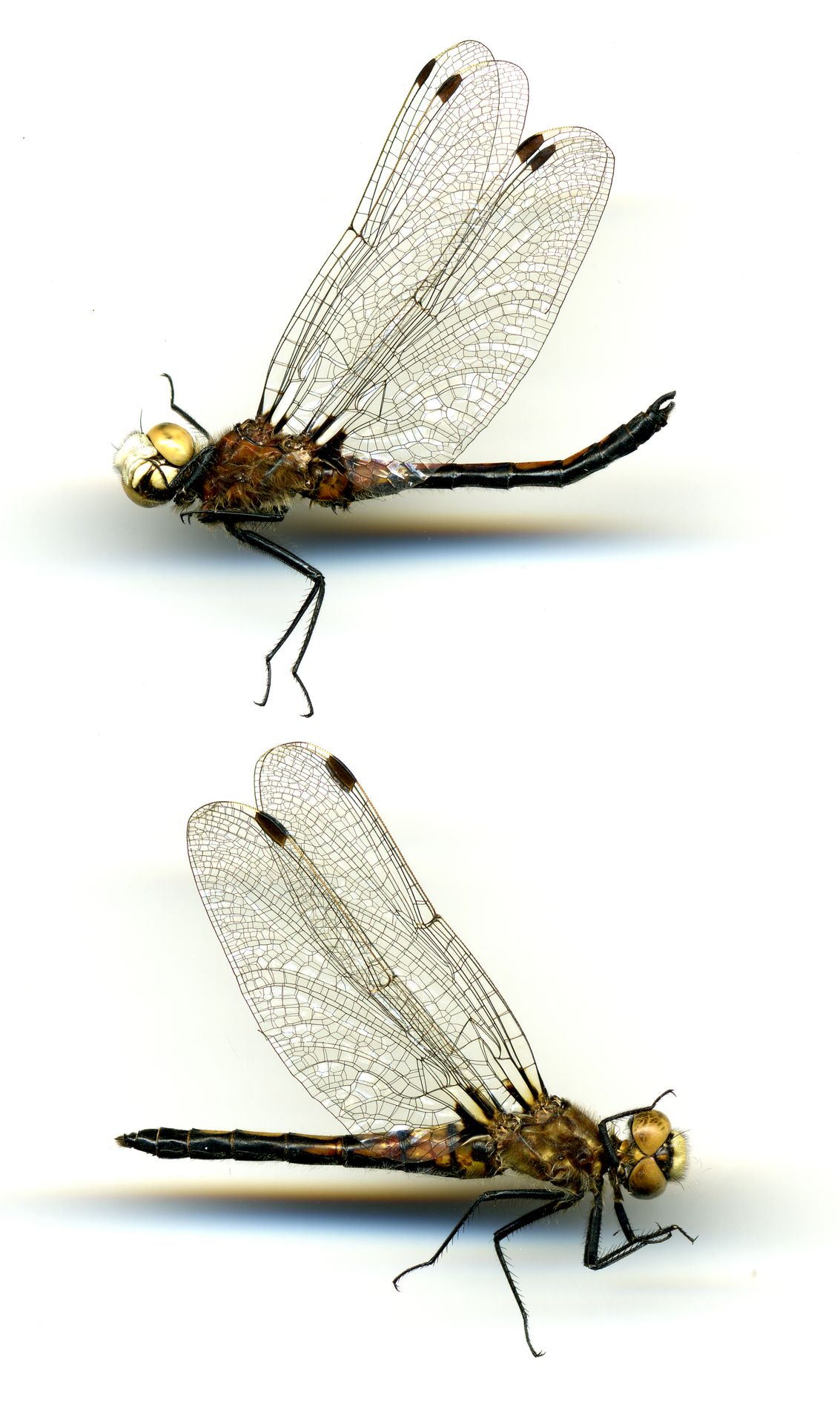
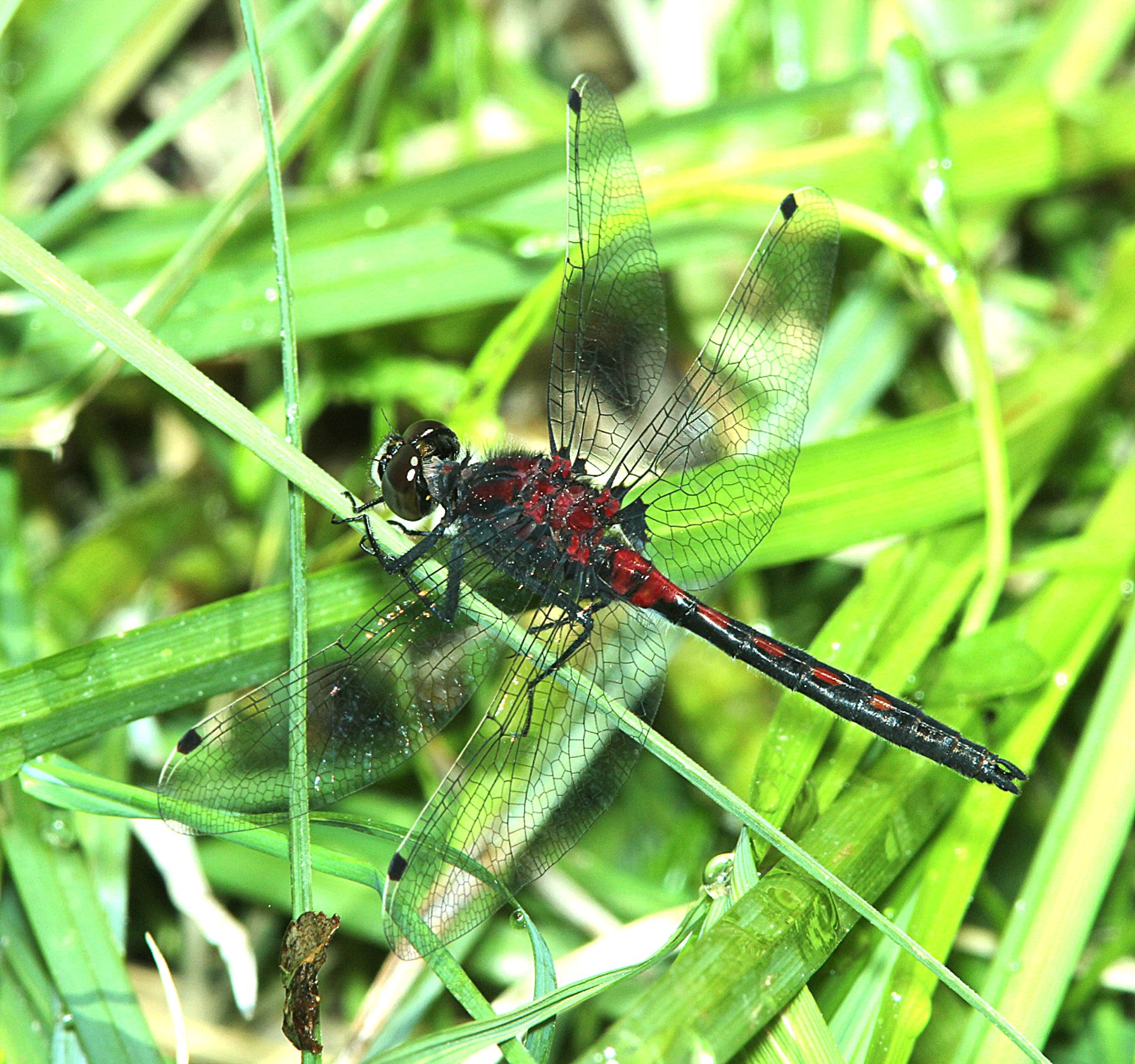
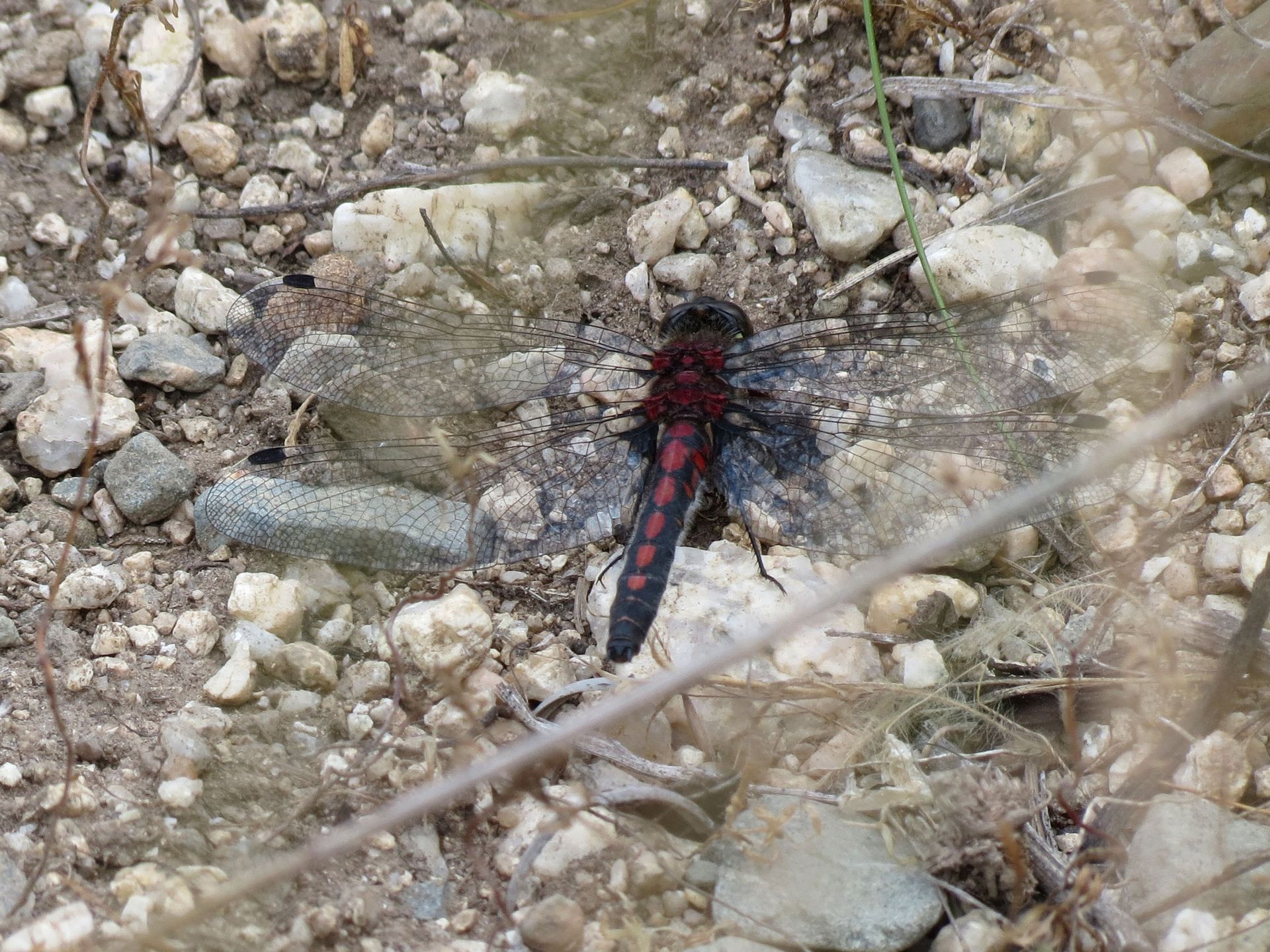
Leucorrhinia hudsonica, the Hudsonian Whiteface, is a in the Libellulidae. Its derives from its association with the Hudson Bay region. The species has disjunct, regionally rare in the Appalachian Mountains. As a member of the Leucorrhinia, it shares characteristics with other whiteface dragonflies, including the distinctive pale facial coloration that gives the group its common name.
Pronunciation
How to pronounce Leucorrhinia hudsonica: /luː.kɔˈrɪ.niə ˌhʌdˈsɒn.ɪ.kə/
These audio files are automatically generated. While they are not always 100% accurate, they are a good starting point.
Identification
As a Leucorrhinia , L. hudsonica likely exhibits the characteristic white or pale that distinguishes this from other libellulid . The species can be distinguished from the closely related Leucorrhinia glacialis, which occurs in similar Appalachian , though specific differentiating features require detailed examination. Males and females may show in coloration, as observed in other Leucorrhinia species.
Images
Habitat
Associated with bog and wetland in montane regions. The has been documented in the Appalachian Mountains, where it occupies disjunct in specialized wetland environments. Based on patterns observed in such as Leucorrhinia dubia, it likely requires acidic, peat-based pools with aquatic vegetation for larval development.
Distribution
Native to North America. The has a broad distribution including the Hudson Bay region, with disjunct, regionally rare documented in the Appalachian Mountains. GBIF records indicate presence in Vermont and other parts of the United States, as well as Ecuador (Reserva Ecológica Arenillas).
Life Cycle
Undergoes typical of Odonata: , nymph (naiad), and stages. Eggs are laid in aquatic vegetation or submerged debris in wetland . Nymphs are aquatic , feeding on small . The nymph stage duration is unreported for this . Adults emerge onto emergent vegetation and undergo a maturation period before reaching reproductive condition.
Ecological Role
are aerial of small flying insects. Nymphs function as aquatic predators in wetland , contributing to regulation in bog and pond .
Similar Taxa
- Leucorrhinia glacialisOccurs in similar Appalachian Mountain and is regionally rare with disjunct ; the two have been studied together due to their parallel distribution patterns and conservation concerns in the region.
- Leucorrhinia dubiaShares the and white-faced characteristic; known ecological requirements for acidic bog pools with Sphagnum mats may indicate similar specializations, though L. dubia is Palearctic in distribution.
More Details
Conservation Status
Considered regionally rare in the Appalachian Mountains with disjunct , indicating potential vulnerability to fragmentation and climate change in montane wetland systems.
Sources and further reading
- BugGuide
- GBIF taxonomy match
- iNaturalist taxon
- NCBI Taxonomy
- Catalogue of Life
- An Introduction to Dragonflies and Spiders | Bug Squad
- Beauties in the Bog - Buglife Blog - Buglife
- Don't get bogged down with peat... - Buglife Blog - Buglife
- Conservation Translocations: It’s Not Just Beavers - Buglife Blog - Buglife
- Abundance and habitat associations of disjunct and regionally rare populations of Leucorrhinia glacialis and L. hudsonica in the Appalachian Mountains (Odonata: Libellulidae)