Leucorrhinia frigida
Hagen, 1890
Frosted Whiteface
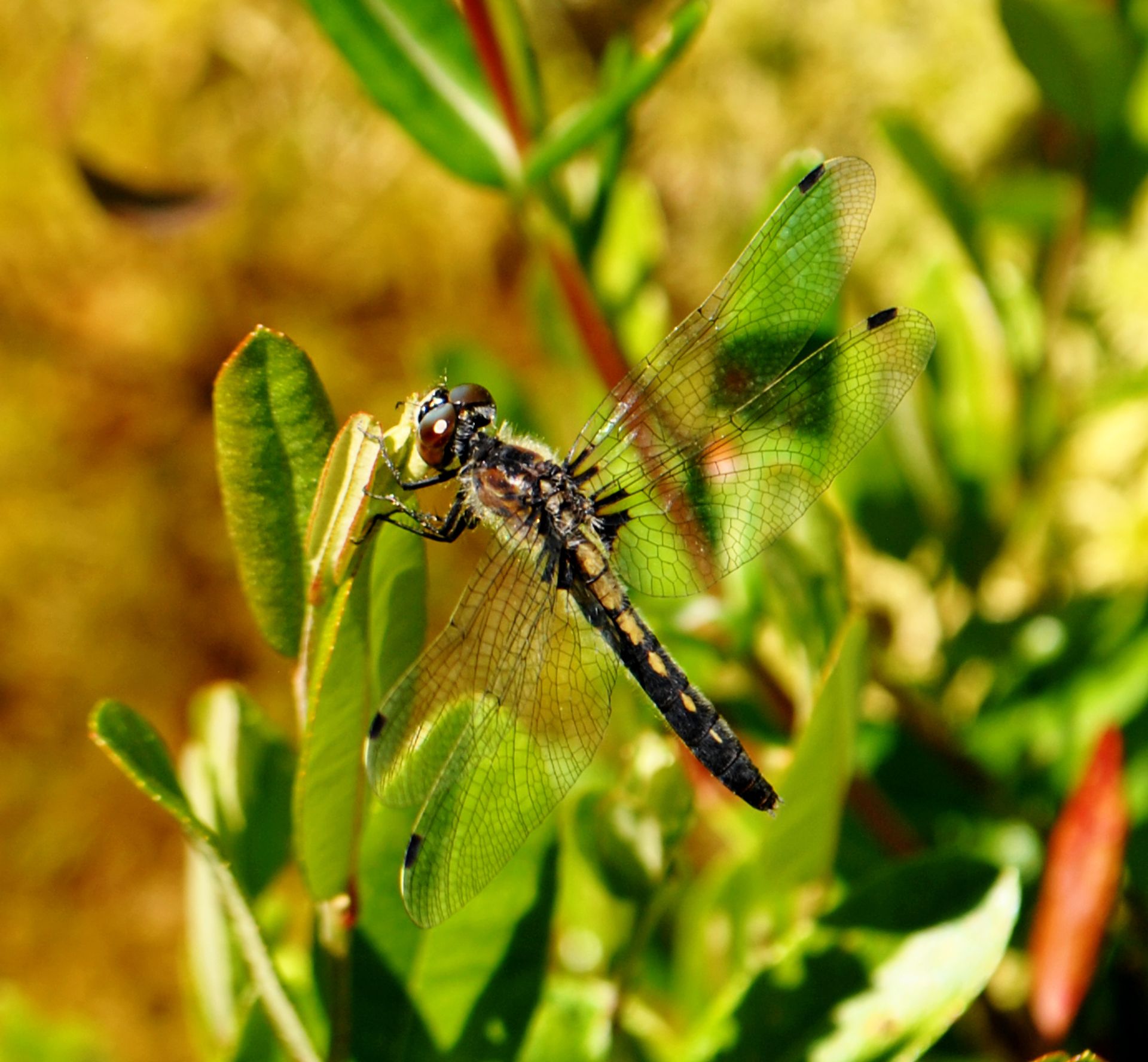
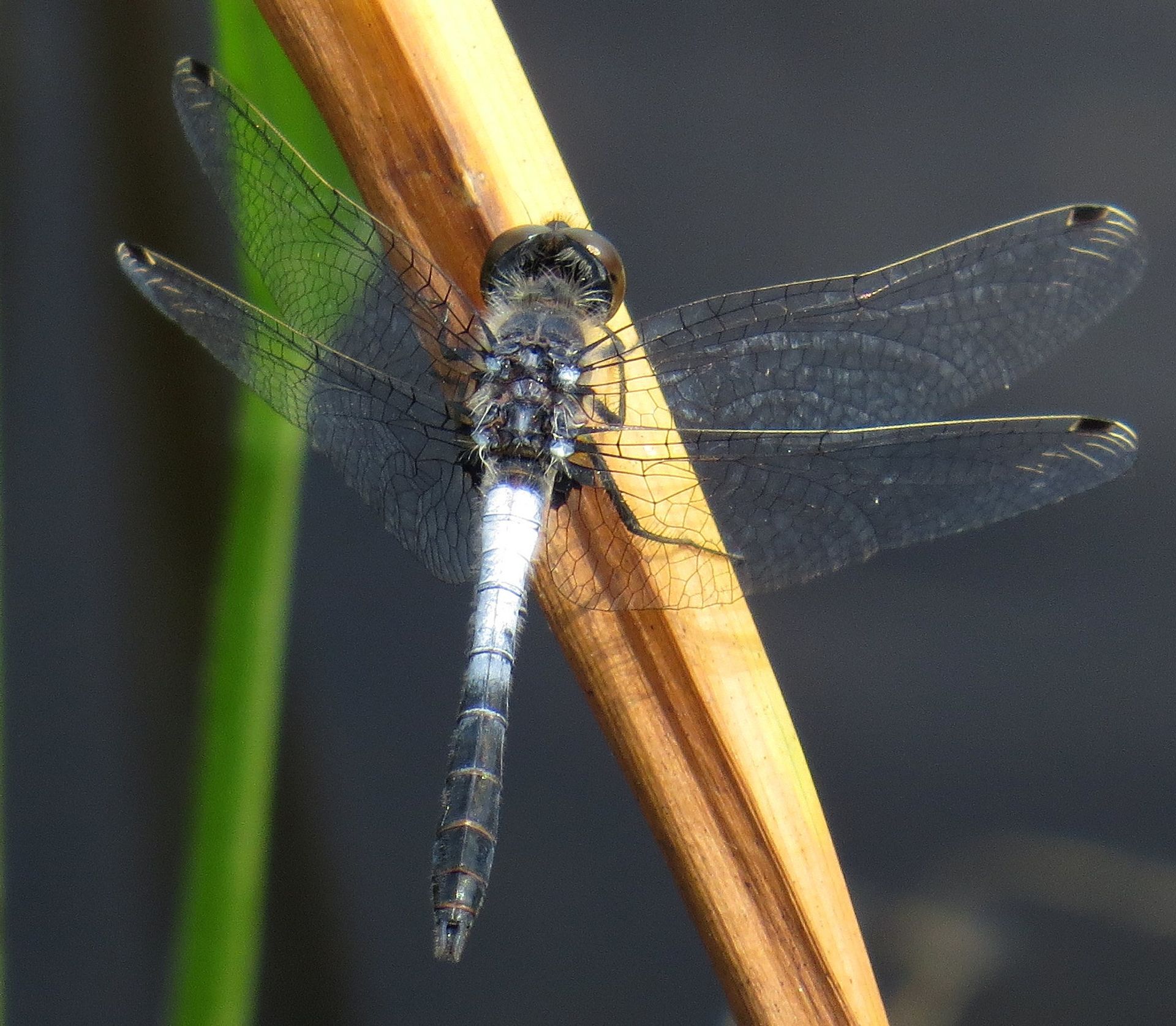
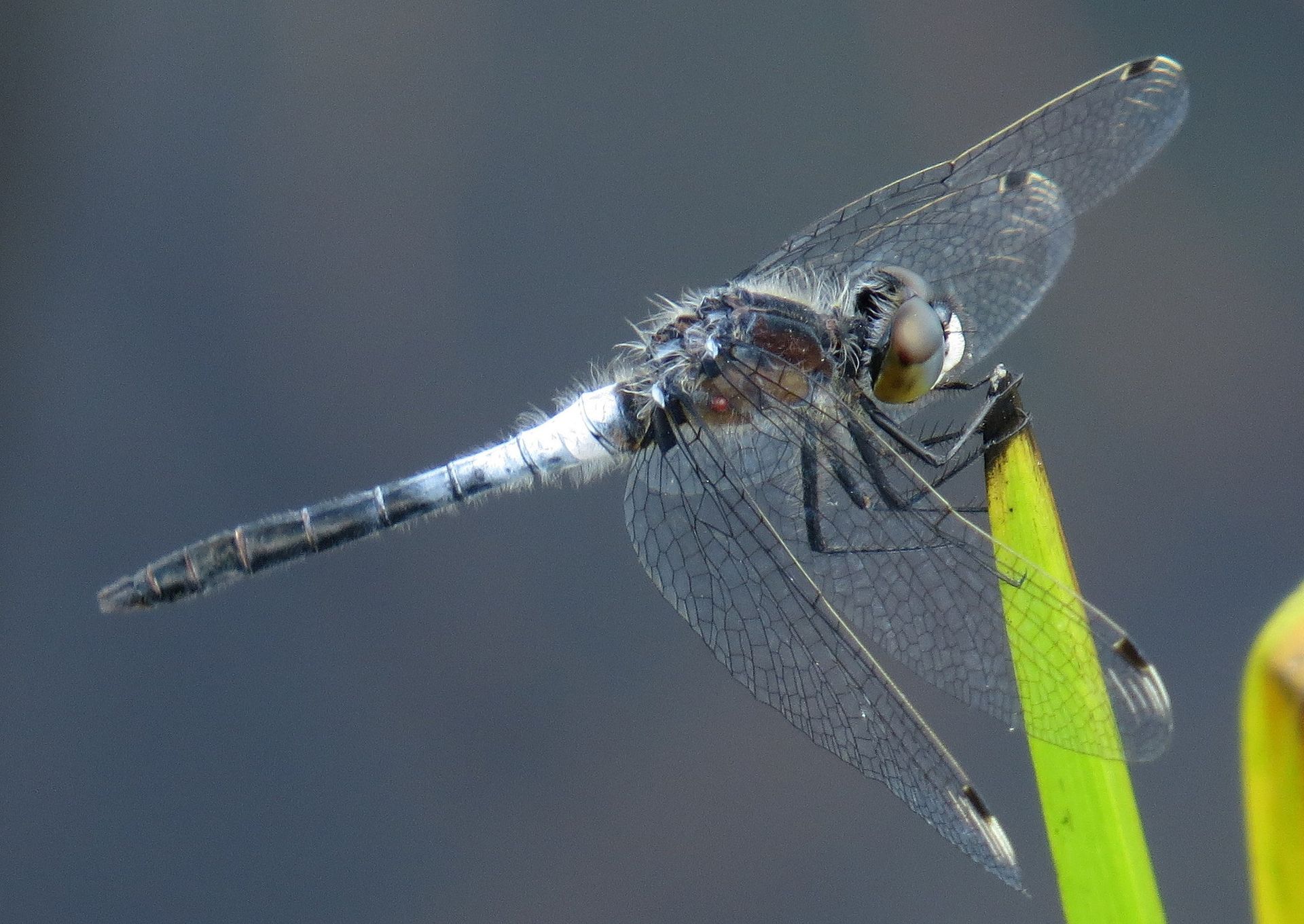
Leucorrhinia frigida, commonly known as the frosted whiteface, is a in the Libellulidae. It is found in northeastern North America, including the northeastern United States and southern Canada. The species has been documented as a for parasitic mites, with research showing distinct patterns of mite correlated with host age and .
Pronunciation
How to pronounce Leucorrhinia frigida: /luːˈkɔrɪniə ˈfrɪdʒɪdə/
These audio files are automatically generated. While they are not always 100% accurate, they are a good starting point.
Images
Habitat
Associated with aquatic environments where nymphs develop in water and occur near water margins. Based on congeneric , likely inhabits bog pools and wetland areas with acidic conditions.
Distribution
Northeastern United States and southern Canada, specifically southern Manitoba, Ontario, Quebec, and New Brunswick.
Diet
are predatory, hunting small insects on the wing. Nymphs are aquatic feeding on small .
Life Cycle
Undergoes with three stages: , nymph (naiad), and . Eggs are laid in water. Nymphs lead an entirely aquatic lifestyle and undergo multiple moults before emerging. Nymphs climb out of water onto emergent vegetation to emerge as adults.
Behavior
Males defend reproductive territories at water margins. Newly emerged males (tenerals) differ behaviorally from sexually mature territorial males.
Ecological Role
males serve as for parasitic mites including Arrenurus sp. and Limnochares americana, with mite attachment patterns varying by host age and .
Sources and further reading
- BugGuide
- Wikipedia
- GBIF taxonomy match
- iNaturalist taxon
- NCBI Taxonomy
- Catalogue of Life
- An Introduction to Dragonflies and Spiders | Bug Squad
- Grasshoppers of Colorado
- Grasshoppers of Colorado
- Beauties in the Bog - Buglife Blog - Buglife
- Don't get bogged down with peat... - Buglife Blog - Buglife
- Bug Eric: Accidental Achievement
- Negative covariance between larval Arrenurus sp. and Limnochares americana (Acari: Hydrachnidia) on male Leucorrhinia frigida (Odonata: Libellulidae) and its relationship to the host's age