
Ophiogomphus anomalus
Harvey, 1898
Extra-striped Snaketail
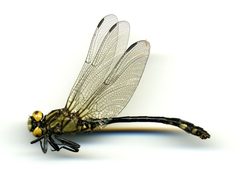
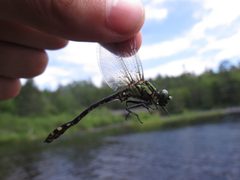
Ophiogomphus anomalus, commonly known as the extra-striped snaketail, is a in the Gomphidae. It inhabits intermittent rivers across Canada and the United States. The species is one of several North American snaketails characterized by their distinctive thoracic patterning and riverine preferences.
Pronunciation
How to pronounce Ophiogomphus anomalus: /ˌɒfiəˈɡɒmfəs əˈnɒmələs/
These audio files are automatically generated. While they are not always 100% accurate, they are a good starting point.
Identification
The extra-striped snaketail can be distinguished from other Ophiogomphus by the additional stripes on its that give rise to its . Specific diagnostic features separating it from such as O. howei (pygmy snaketail) and O. arizonicus (Arizona snaketail) require examination of thoracic stripe patterns and abdominal markings. Detailed morphological comparison with sympatric snaketail species is necessary for reliable identification.
Images
Habitat
Intermittent rivers. The is associated with riverine systems that experience periodic flow cessation, distinguishing its preferences from those of snaketails requiring clear-flowing streams.
Distribution
Canada and the United States. The has a transcontinental North American range spanning multiple provinces and states.
Similar Taxa
- Ophiogomphus howeiSimilar small snaketail and riverine , but O. howei is distinguished by its smaller size and different thoracic patterning without the extra stripes characteristic of O. anomalus.
- Ophiogomphus arizonicusShares Gomphidae characteristics and river-dwelling habits, but O. arizonicus exhibits a predominantly green rather than the striped pattern of O. anomalus.
More Details
Taxonomic Note
The epithet 'anomalus' (meaning anomalous or abnormal) likely refers to the distinctive extra thoracic stripes that deviate from the typical snaketail pattern. The species was described by Harvey in 1898.
Habitat Specificity
The association with intermittent rivers rather than streams represents a notable ecological differentiation from some , potentially indicating adaptations to hydrological variability.
Sources and further reading
- BugGuide
- Wikipedia
- GBIF taxonomy match
- iNaturalist taxon
- NCBI Taxonomy
- Catalogue of Life
- Aphytis Project Final Report | Entomology Research Museum
- Primary Type List | Entomology Research Museum
- Diminutive Dragonfly Makes New Appearance in Michigan
- Bug Eric: New Mexico Dragonfly Blitz - Day 2
- Bug Eric: Blodgett Peak Bioblitz Report
- Eumastacidae | Beetles In The Bush