
Apoda rectilinea
(Grote & Robinson, 1868)
Rectilinea Slug Moth
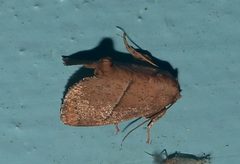
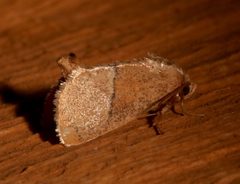
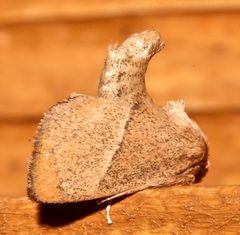
Apoda rectilinea is a slug in the Limacodidae, native to North America. The caterpillars are known for their distinctive flattened, slug-like form and are associated with oak foliage. are small, relatively plain moths that are attracted to light. The is part of a whose larvae feed on specific plants and possess stinging spines.
Pronunciation
How to pronounce Apoda rectilinea: /ˈæpədə rɛktɪˈlɪniə/
These audio files are automatically generated. While they are not always 100% accurate, they are a good starting point.
Identification
can be distinguished from other Apoda by the straight, linear wing patterns referenced in the species name. From A. y-inversa (Yellow-collared Slug Moth), which has a prominent yellow collar, A. rectilinea lacks such bold markings. Caterpillars may be distinguished from other Apoda larvae by association and subtle morphological differences, though specific larval diagnostic features are not well documented.
Images
Habitat
Deciduous forests and woodlands, particularly areas with oak trees (Quercus spp.). Associated with dry-mesic oak-hickory forests and similar eastern North American woodland .
Distribution
Eastern North America. Records from Missouri and surrounding regions suggest a range centered in the central and eastern United States.
Seasonality
active during summer months. Based on related and general Limacodidae , likely June through August in most of range.
Diet
Larvae feed on oak foliage (Quercus spp.). Specific associations documented with Quercus stellata (post oak) and likely other oak .
Host Associations
- Quercus stellata - larval plantpost oak
Life Cycle
Complete . Larvae are the feeding stage, occurs in a cocoon. Specific details of pupation site and stage not documented in available sources.
Behavior
Larvae feed on oak foliage. are and attracted to ultraviolet light. Caterpillars move with the characteristic gliding motion of slug larvae, using their broad surface rather than with .
Ecological Role
Larvae function as herbivores on oak trees. As with other Limacodidae, they are likely prey for various including birds and . Specific ecological impacts not quantified.
Human Relevance
Larvae possess stinging spines typical of Limacodidae and can cause skin irritation if handled. Otherwise minimal direct interaction with humans. occasionally attracted to lights at residences near woodland .
Similar Taxa
- Apoda y-inversaSimilar size and general appearance; distinguished by yellow collar marking in and different wing pattern
- Apoda biguttataCongeneric slug with which it may co-occur; differs in wing pattern and potentially larval coloration
- Parasa indeterminaAnother Limacodidae with slug-like larvae; distinguished by more striking larval coloration with green and purple stripes, and different appearance