
Argyresthia cupressella
Walsingham, 1890
cypress tip moth
Argyresthia cupressella, commonly known as the cypress tip , is a small microlepidopteran moth in the Argyresthiidae. Native to the western coast of North America, it has been introduced to Europe where established now occur. The is recognized as a pest of ornamental and forest conifers due to larval feeding damage.
Pronunciation
How to pronounce Argyresthia cupressella: //ˌɑːr.dʒɪˈrɛs.θi.ə ˌkjuː.prəˈsɛl.ə//
These audio files are automatically generated. While they are not always 100% accurate, they are a good starting point.
Identification
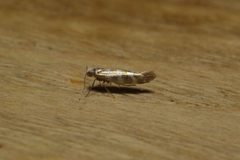
Distinguished from other Argyresthia by association with cypress and related conifer ; precise identification often requires examination of genitalia. The combination of small size (8–9 mm wingspan), white ground color with metallic transverse stripes, and presence in cypress/tip contexts aids recognition. In Europe, its introduced status and association with cultivated Cupressaceae helps separate it from native Argyresthia species.
Images
Appearance
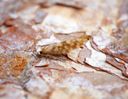
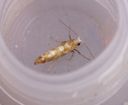
are minute with a wingspan of 8–9 mm. Members of the Argyresthia are typically white with broad, transverse metallic stripes across the wings.
Habitat
Associated with coniferous vegetation, particularly cultivated and native stands of Chamaecyparis, Cupressocyparis, Thuja, Sequoia, and Juniperus. In its native range, occurs in coastal conifer forests of western North America. In Europe, found in urban and suburban environments with ornamental conifer plantings.
Distribution
Native to the western coast of the United States and Canada. Introduced and established in Europe, with confirmed records from Great Britain, Belgium (doubtful), and France (doubtful).
Seasonality
are active from June to July, with exact timing varying by location.
Diet
Larvae feed internally as needle miners on of Chamaecyparis, Cupressocyparis, Thuja, Sequoia, and Juniperus. feeding habits are not documented.
Host Associations
- Chamaecyparis - larval larvae feed as needle miners
- Cupressocyparis - larval larvae feed as needle miners
- Thuja - larval larvae feed as needle miners
- Sequoia - larval larvae feed as needle miners
- Juniperus - larval larvae feed as needle miners
Life Cycle
Larvae are miners of conifer needles, feeding between tissue layers. Specific details of placement, site, and number of per year are not documented in available sources.
Behavior
are and attracted to light. Larvae are endophagous, mining within conifer needles rather than feeding externally.
Ecological Role
As a needle-mining herbivore, larvae may cause damage to conifers. In introduced European , represents a novel herbivore pressure on native and ornamental Cupressaceae.
Human Relevance
Recognized as a pest of ornamental conifers in Europe. The 'cypress tip ' reflects its association with cultivated cypress and the damage caused by larval feeding.
Similar Taxa
- Other Argyresthia speciesMany Argyresthia share similar size, white coloration with metallic stripes, and conifer or broadleaf associations; precise identification requires genitalia dissection or host plant correlation
- Yponomeutidae (ermine moths)Historically placed in this by some sources; Argyresthiidae now treated as distinct family, though some classifications still group them together
More Details
Taxonomic note
placement has varied: treated as Yponomeutidae in some older sources, now generally placed in Argyresthiidae. The Argyresthia contains over 50 in North America, most requiring identification.
Introduction history
Specific date and mechanism of introduction to Europe are not documented in available sources, though the is now established in Great Britain.