
Yponomeutidae
Stephens, 1829
Ermine Moths
Subfamily Guides
2- Saridoscelinae
- Yponomeutinae(ermine moths (subfamily))
, commonly known as , is a of small comprising several hundred with greatest diversity in tropical regions. The family is considered relatively primitive within Lepidoptera and is significant for studies of plant-insect . Larvae are typically gregarious and construct communal silken webs on plants. Some species are minor agricultural, forestry, and horticultural pests. of certain species display striking color patterns of white, orange, and black.
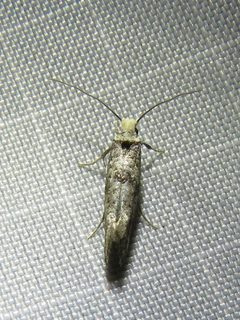
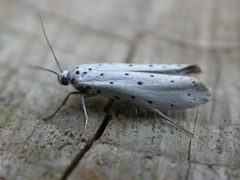
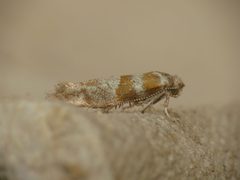
Images
Habitat
Diverse environments ranging from tropical rainforests to temperate regions; includes forest edges, meadows, gardens, and agricultural areas. Specific associations vary considerably among .
Distribution
distribution with highest in tropical regions. Documented occurrences include North America (including southern USA and Mexico), Central America ( Rica), Europe (Spain, Scandinavia), and Indonesia (South Sumatra).
Seasonality
activity patterns vary by and latitude. In temperate regions, some species appear in late summer and early autumn. Tropical species may have extended or year-round activity periods.
Diet
Larvae feed on diverse woody plants and herbaceous vegetation. Documented plants include members of Simaroubaceae (e.g., Ailanthus altissima, Simarouba glauca) and Brassicaceae (cruciferous vegetables). of some feed on nectar and pollen.
Host Associations
- Ailanthus altissima - plant Tree of Heaven; for Atteva aurea larvae
- Simarouba glauca - plantNative Paradise tree; for Atteva aurea larvae in Florida
- Brassicaceae - plantCruciferous vegetables; plants for Plutella xylostella larvae
Life Cycle
Complete with , larva, pupa, and stages. Larvae typically gregarious, forming communal silken webs. Some temperate undergo seasonal or . Specific details vary considerably among species.
Behavior
Larvae construct and inhabit communal silken webs from which they forage. Some are nectar feeders rather than . Certain exhibit migratory , with adults moving northward seasonally from southern areas.
Ecological Role
Larvae function as herbivores on woody and herbaceous plants. Some may contribute to of plants. of some species serve as minor when feeding on nectar.
Human Relevance
Some are minor pests in agriculture, forestry, and horticulture. Plutella xylostella (diamondback moth) is a serious pest of cruciferous vegetables globally. Atteva aurea (ailanthus webworm) has been considered as a potential agent for Tree of Heaven.
Sources and further reading
- BugGuide
- GBIF taxonomy match
- iNaturalist taxon
- NCBI Taxonomy
- Catalogue of Life
- Watch out Tree of Heaven, native and invasive insects are ready to wage war on you: Ailanthus webworm, Atteva aurea, and spotted lanternfly, Lycorma delicatula — Bug of the Week
- Bugs in Orange and Black, Part I: An ermine moth, ailanthus webworm, Atteva aurea — Bug of the Week
- Uncategorized | Blog - Part 55
- Six new species of Eucalantica micro-moths discovered from the New World | Blog
- Stylish Lepidoptera: Ermine Moth, Atteva aurea; Yellow-Collared Scape Moth, Cisseps fulvicollis; Pearl Crescent, Phyciodes tharos; Variegated Fritillary, Euptoieta claudia — Bug of the Week
- Cedestis granadensis sp. nov., a new species from Spain (Lepidoptera, Yponomeutidae)
- Phylogeny of the Yponomeuta species (Lepidoptera, Yponomeutidae) and the history of their host plant associations
- Parasitoid dan Parasitisasi Plutella xylostella (L.) (Lepidoptera: Yponomeutidae) di Sumatera Selatan