Pandemis canadana
Kearfott, 1905
Green Aspen Leaftier
A small tortricid found across northern North America. are active in mid-summer. Larvae are feeders on deciduous woody plants.
Pronunciation
How to pronounce Pandemis canadana: //pænˈdiːmɪs kæˈneɪdə.nə//
These audio files are automatically generated. While they are not always 100% accurate, they are a good starting point.
Identification
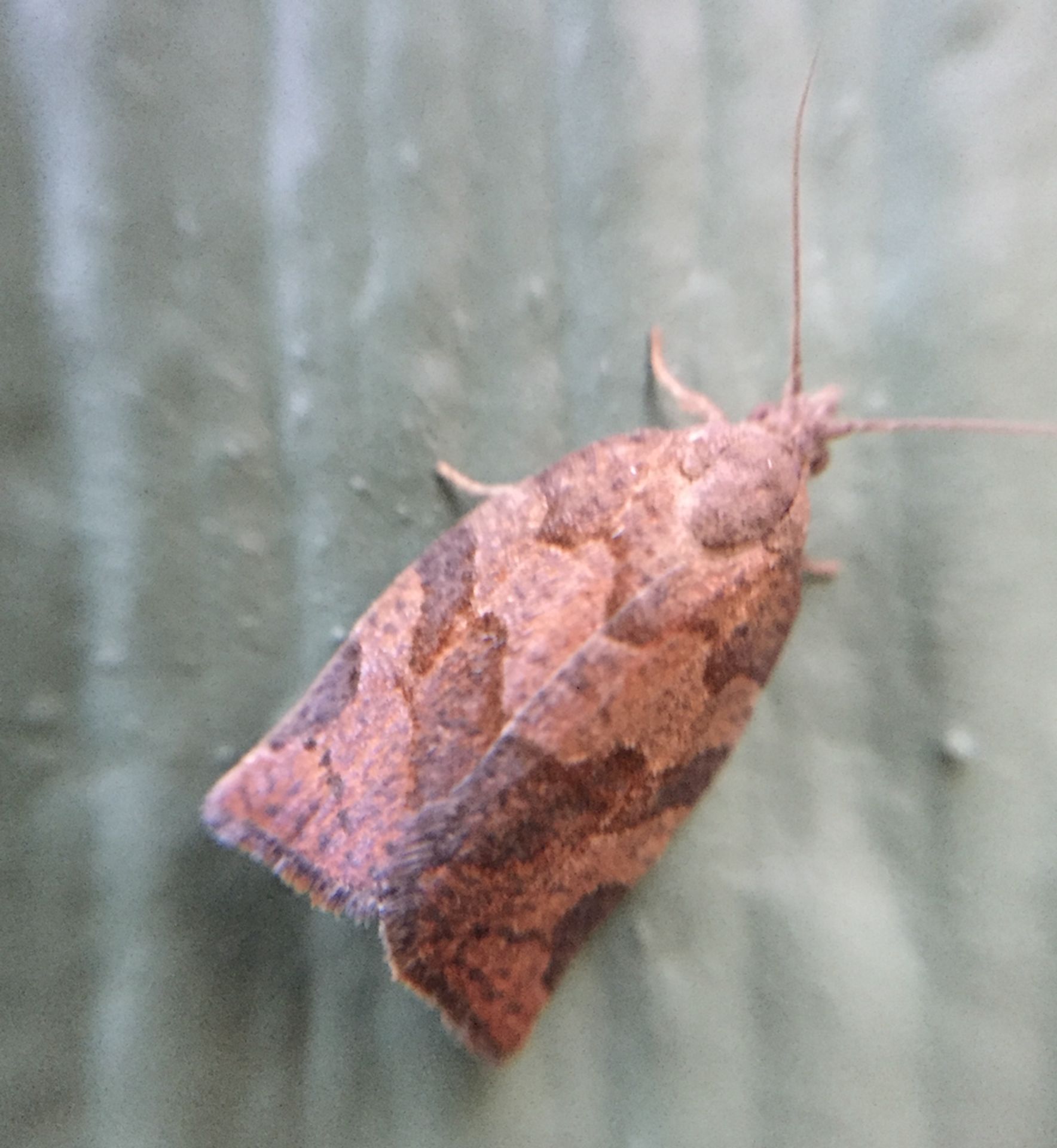
Small size (19–20 mm wingspan) distinguishes it from larger Pandemis . Forewing pattern includes variable greenish or brownish ground color with darker transverse bands. Examination of genitalia may be required for definitive separation from .
Images
Appearance
Small with wingspan 19–20 mm. Forewings are typically greenish or brownish with variable banding patterns characteristic of the .
Habitat
Deciduous forests and shrublands. Associated with stands of aspen and other broad-leaved woody vegetation.
Distribution
North America: British Columbia to Nova Scotia, south to Colorado, Illinois, and Maine. Additional records from Alberta, Manitoba, and Saskatchewan.
Seasonality
active from early July to mid-August. Single per year inferred from period.
Diet
Larvae feed on various deciduous trees and shrubs. Specific records beyond this general statement are not documented in available sources.
Ecological Role
Larval herbivore in deciduous forest . and specific ecological impacts have not been quantified.
Human Relevance
Minor or negligible direct economic impact. Not documented as a significant pest of forestry or horticulture.
Similar Taxa
- Pandemis limitataOverlapping range and similar size; requires genital dissection or detailed wing pattern analysis for separation
- Pandemis pyrusanaSimilar appearance and use; distinguished by subtle wing pattern differences and geographic distribution