Archips strianus
Fernald, 1905
striated tortrix moth, striated leafroller
Archips strianus, commonly known as the striated tortrix or striated leafroller, is a leafroller moth in the Tortricidae. It is native to North America, with records from Canada and the northern United States. The is associated with coniferous , particularly spruce species.
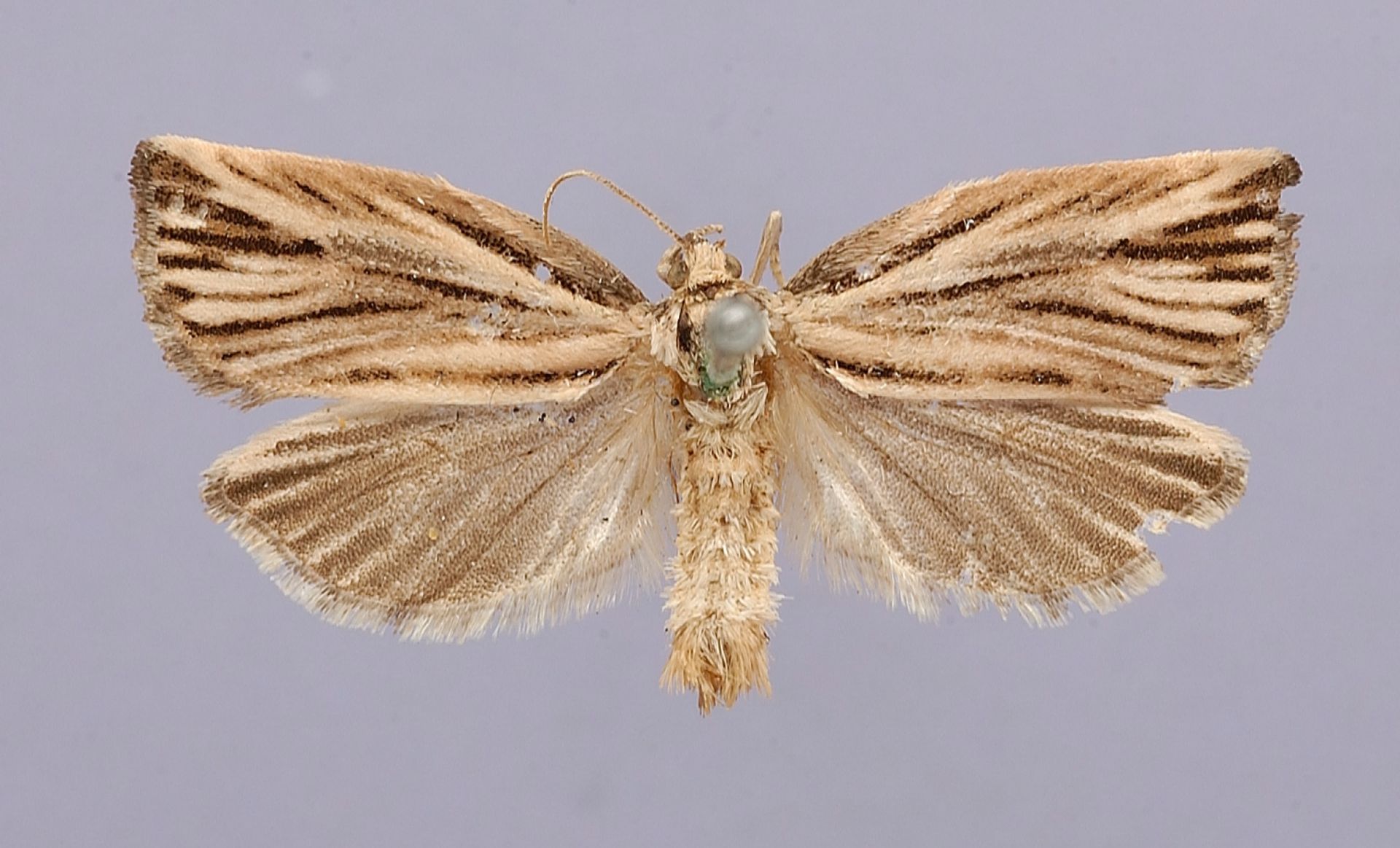
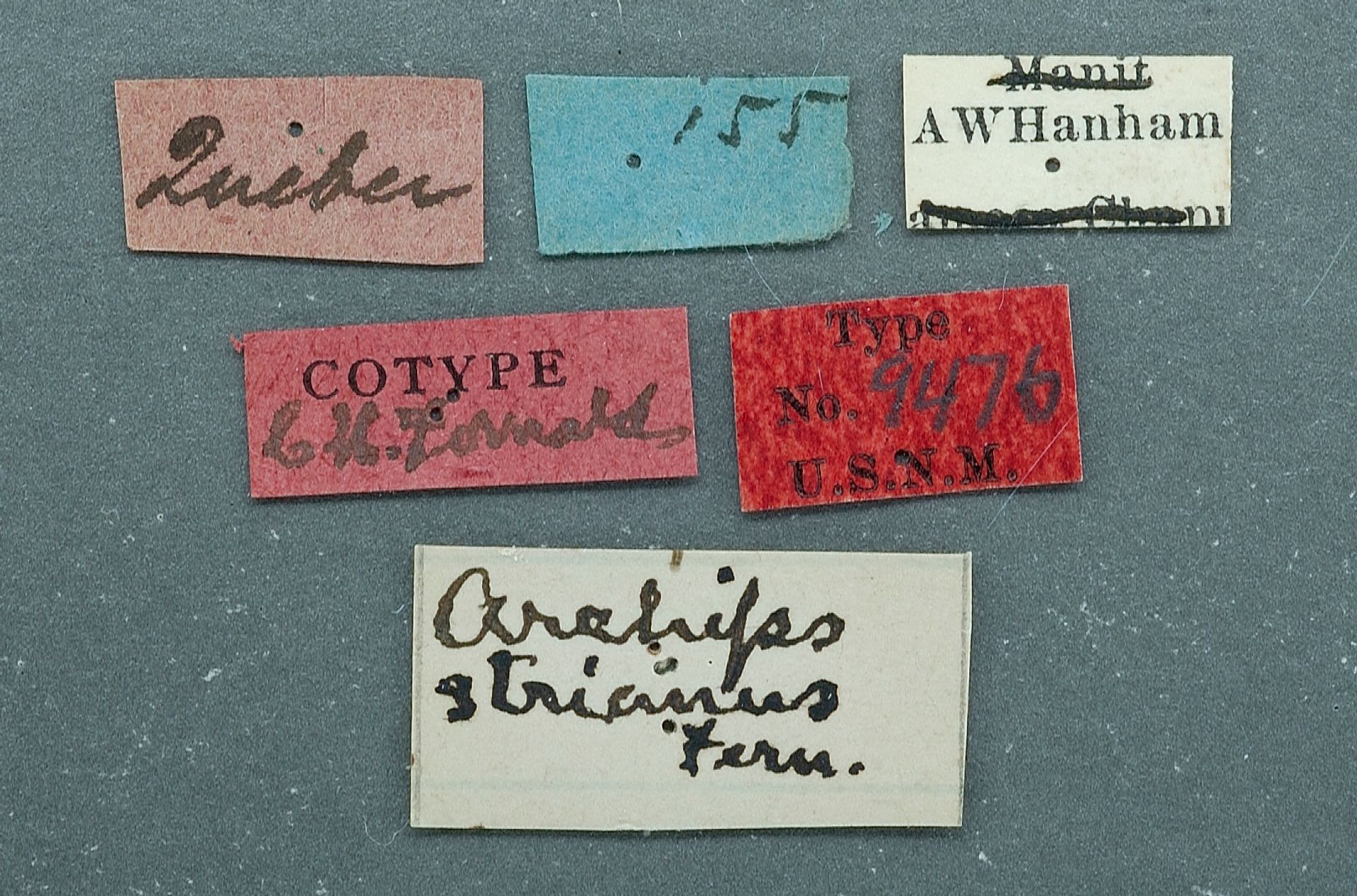
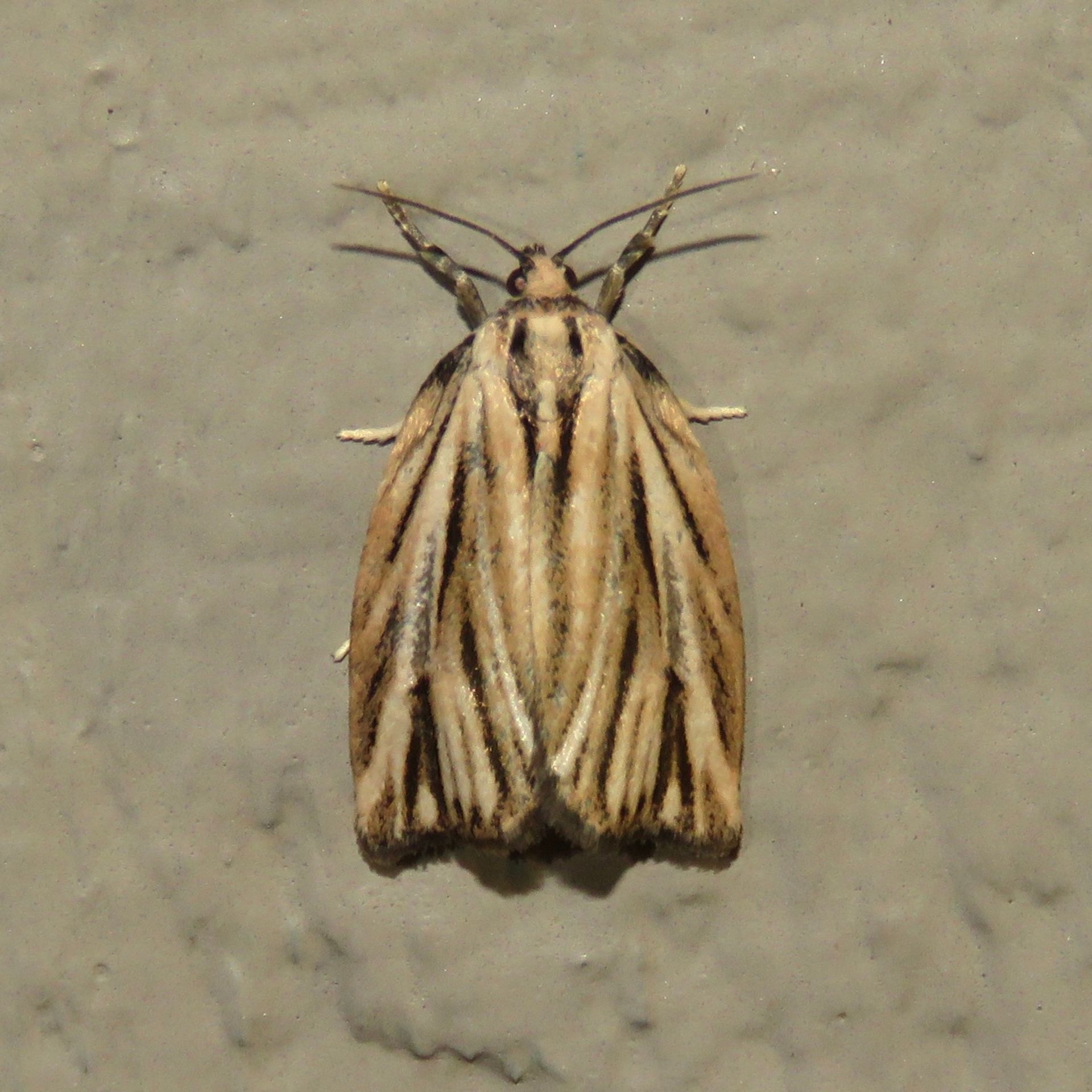
Pronunciation
How to pronounce Archips strianus: /ˈɑːrkɪps ˈstrɪanəs/
These audio files are automatically generated. While they are not always 100% accurate, they are a good starting point.
Identification
Can be distinguished from other Archips by geographic distribution and associations, though specific diagnostic features are not detailed in available literature. As a member of Archips, it likely exhibits the typical tortricid resting posture with wings held roof-like over the body.
Images
Appearance
Wingspan approximately 20 mm. Specific coloration and pattern details are not documented in available sources.
Habitat
Associated with coniferous forests. Larvae inhabit rolled or tied leaves of plants.
Distribution
Recorded from Alberta, British Columbia, Manitoba, Saskatchewan, Maine, Michigan, Minnesota, Montana, New Brunswick, Newfoundland, Ontario, Quebec, and Vermont. Distribution centered in northern North America, corresponding to ranges of primary plants.
Seasonality
have been recorded on wing from May to August.
Diet
Larvae feed on Abies balsamea (balsam fir), Pinus engelmannii (Engelmann spruce), and multiple Picea including Picea glauca (white spruce), Picea mariana (black spruce), Picea pungens (blue spruce), and Picea sitchensis (Sitka spruce).
Host Associations
- Abies balsamea - larval food plantbalsam fir
- Pinus engelmannii - larval food plantEngelmann spruce
- Picea glauca - larval food plantwhite spruce
- Picea mariana - larval food plantblack spruce
- Picea pungens - larval food plantblue spruce
- Picea sitchensis - larval food plantSitka spruce
Life Cycle
Complete with , larva, pupa, and stages. As a leafroller, larvae likely construct silk-tied shelters within foliage. Specific details of voltinism and stage are not documented.
Behavior
Larvae exhibit leaf-rolling , using silk to bind leaves together for shelter while feeding. are and attracted to light.
Ecological Role
Herbivore in coniferous forest . Larval feeding may cause minor defoliation of trees. Serves as prey for and other natural enemies.
Human Relevance
Minor forestry pest. May cause localized damage to spruce and fir plantations or ornamental plantings, though not considered a major economic pest.
Similar Taxa
- Archips purpuranaSimilar leafroller and ; distinguished by preferences and geographic distribution
- Other Archips speciesCongeneric share general tortricid ; precise identification requires examination of genitalia or molecular analysis
More Details
Taxonomic history
Described by Fernald in 1905. The specific epithet 'strianus' refers to striated or lined appearance, though the exact nature of these markings is not detailed in available sources.
Collection records
iNaturalist documents over 600 research-grade observations, indicating the is moderately well-documented by citizen scientists within its range.