Archips grisea
(Robinson, 1869)
Gray Archips Moth, Black Shield Leafroller
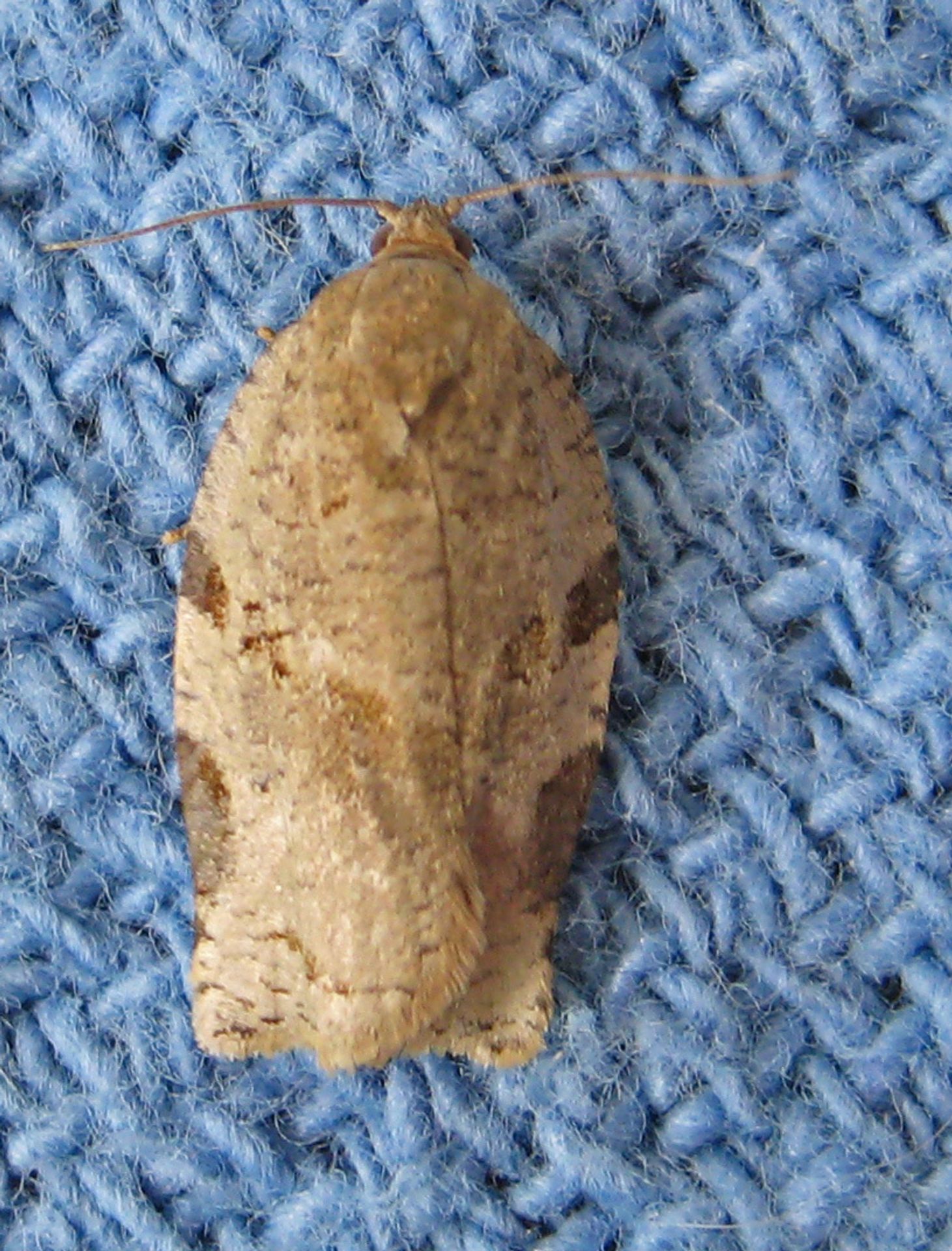
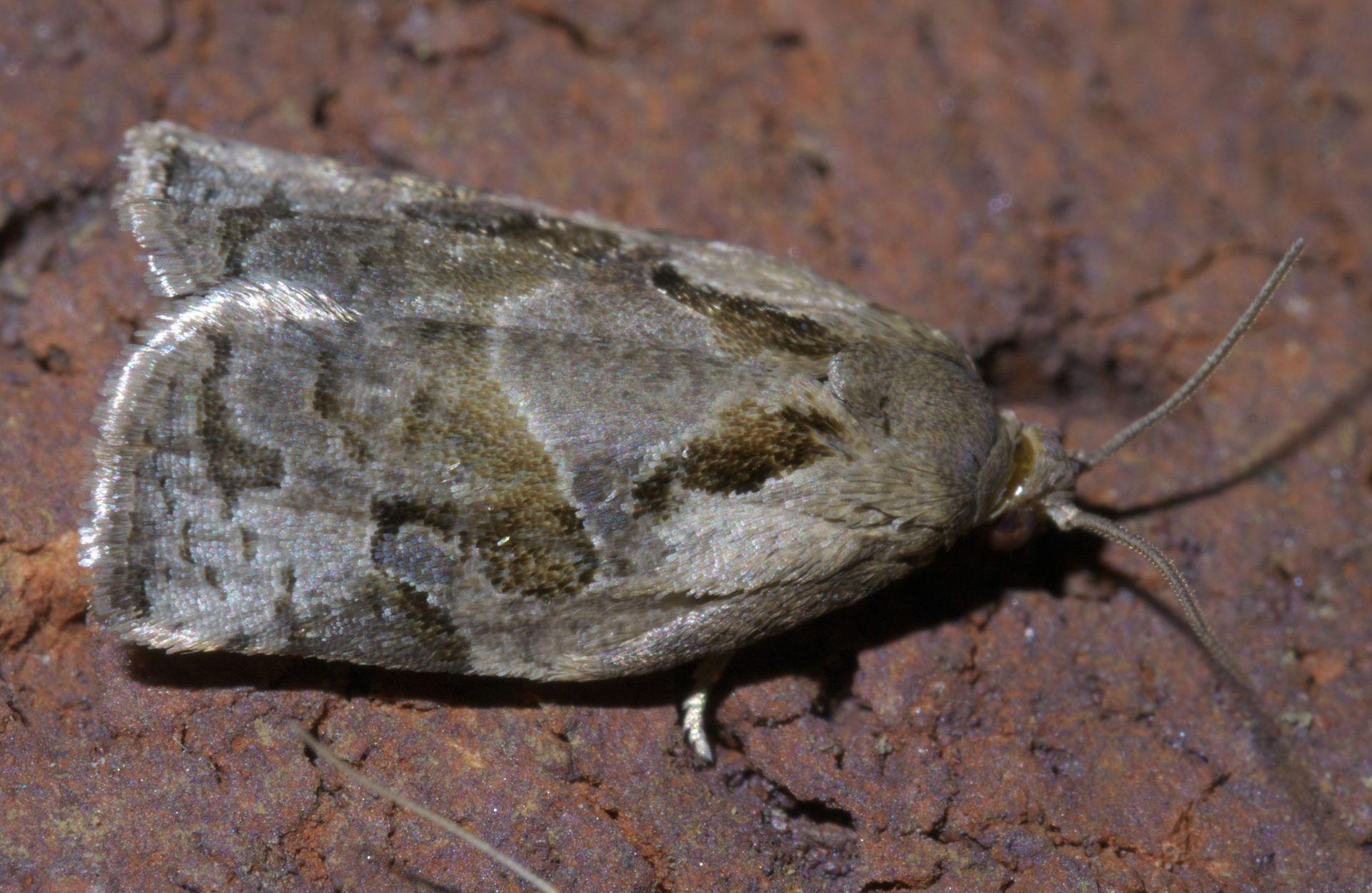
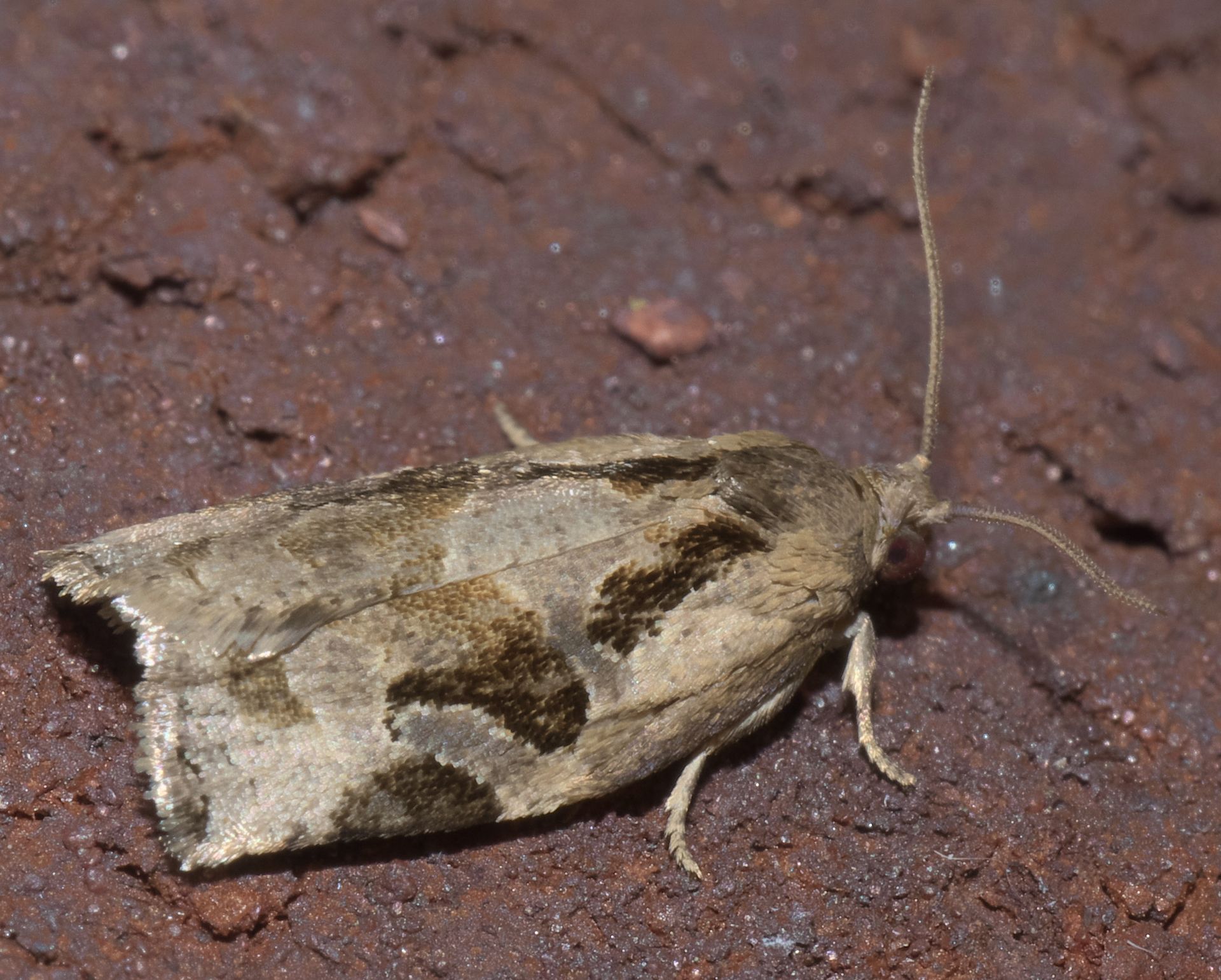
Archips grisea is a small tortricid with a wingspan of 18–22 mm, found across central and eastern North America. Larvae feed on hickory (Carya), rolling or tying leaves for shelter. are active during summer months. The species is also known as the black shield leafroller, referring to larval feeding damage.
Pronunciation
How to pronounce Archips grisea: //ˈɑːrkɪps ˈɡrɪsiə//
These audio files are automatically generated. While they are not always 100% accurate, they are a good starting point.
Identification
Small gray tortricid with 18–22 mm wingspan. Distinguished from similar Archips by genitalia and subtle wing pattern differences; accurate identification typically requires dissection and comparison with reference specimens. Larval association with Carya (hickory) may aid in identification where plants are known.
Images
Habitat
Deciduous woodlands and forests containing hickory (Carya) . Larval is within rolled or tied leaves of plants.
Distribution
North America: recorded from Alabama, Illinois, Minnesota, Oklahoma, Ontario, Tennessee, and Texas. The distribution corresponds to the range of its hickory plants in eastern and central North America.
Seasonality
active during summer months (June–August based on regional records). Larval feeding occurs during spring and early summer.
Diet
Larvae feed on Carya (hickories). Specific records include Carya, though exact species within the are not detailed in available sources.
Host Associations
- Carya - larval food planthickory
Life Cycle
Complete with , larva, pupa, and stages. Larvae are leafrollers, constructing shelters by rolling or tying leaves of plants. occurs within the larval shelter or in leaf litter. Adults emerge in summer.
Behavior
Larvae exhibit leaf-rolling , constructing silk-tied leaf shelters for feeding and protection. are and attracted to light.
Ecological Role
Herbivore: larval feeding on hickory foliage. Serves as prey for and other natural enemies. Contributes to nutrient cycling through herbivory and as food source for higher .
Human Relevance
Minor economic significance as a leafroller pest on hickory. The 'black shield leafroller' refers to the characteristic feeding damage visible on leaves. No major pest status reported.
Similar Taxa
- Archips purpuranaSimilar size, coloration, and leafroller lifestyle; may co-occur on overlapping plants. Distinguished by genitalia and subtle wing pattern differences.
- Other Archips speciesNumerous share gray coloration and leafroller . Accurate identification requires genitalia examination and reference to taxonomic keys.
More Details
Taxonomic note
Originally described as Tortrix grisea by Robinson in 1869, later transferred to Archips. The epithet 'grisea' refers to the gray coloration.
Observation frequency
As of source date, iNaturalist records 2,585 observations, indicating the is relatively frequently encountered within its range.
Sources and further reading
- BugGuide
- Wikipedia
- GBIF taxonomy match
- iNaturalist taxon
- NCBI Taxonomy
- Catalogue of Life
- Meet 'Mantis Master Keeper' Andrew Pfeifer | Bug Squad
- Carried with the wind: mass migration of Larch Budmoth to the Russian High Arctic | Blog
- Bug Eric: How to Catch a Leafroller Caterpillar (Video)
- Lifting the veil over mysterious desert truffles: Terfezia’s ecology and diversity towards cultivation | Blog
- Mantispidae | Beetles In The Bush