Archips fervidana
(Clemens, 1860)
Oak Webworm Moth
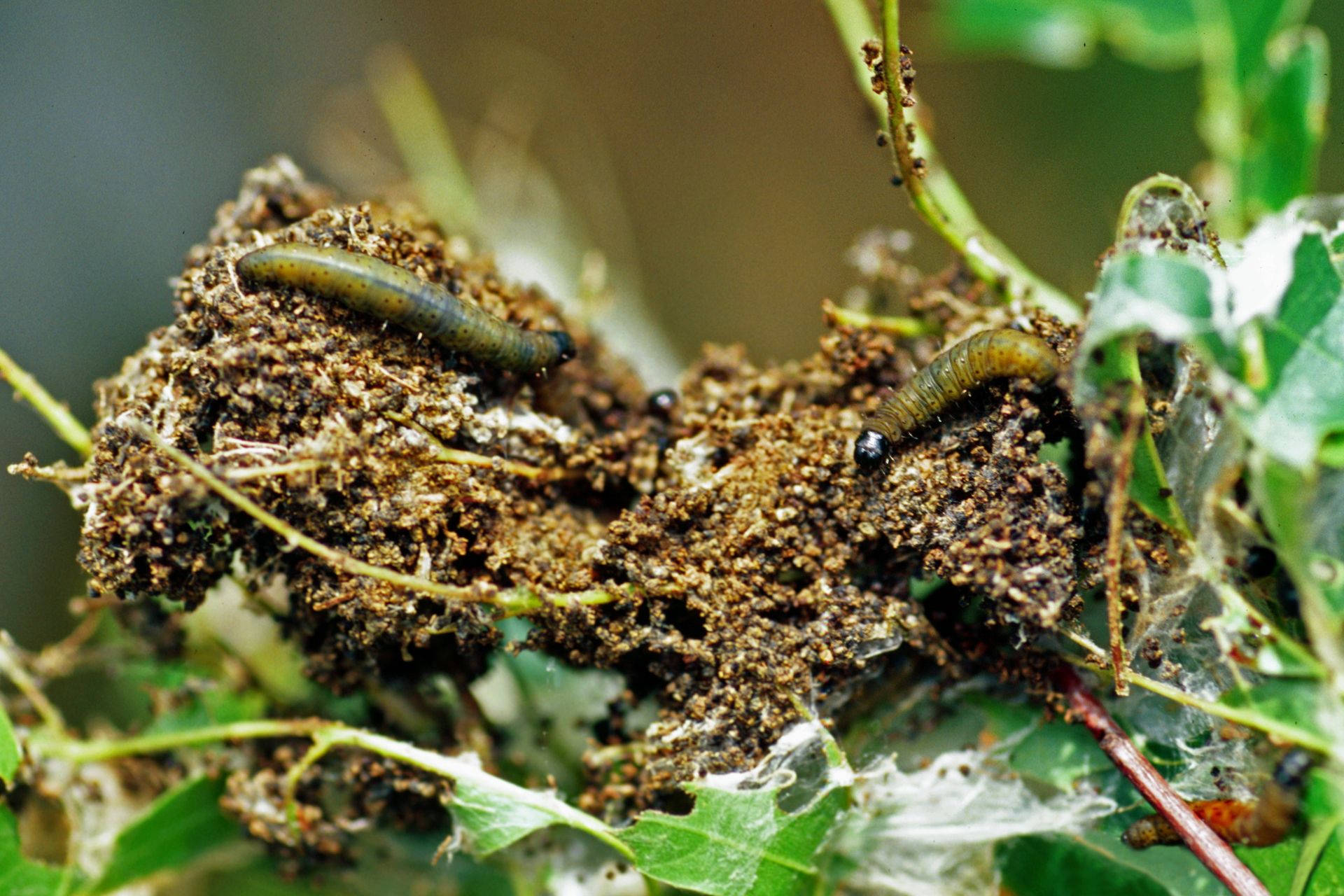
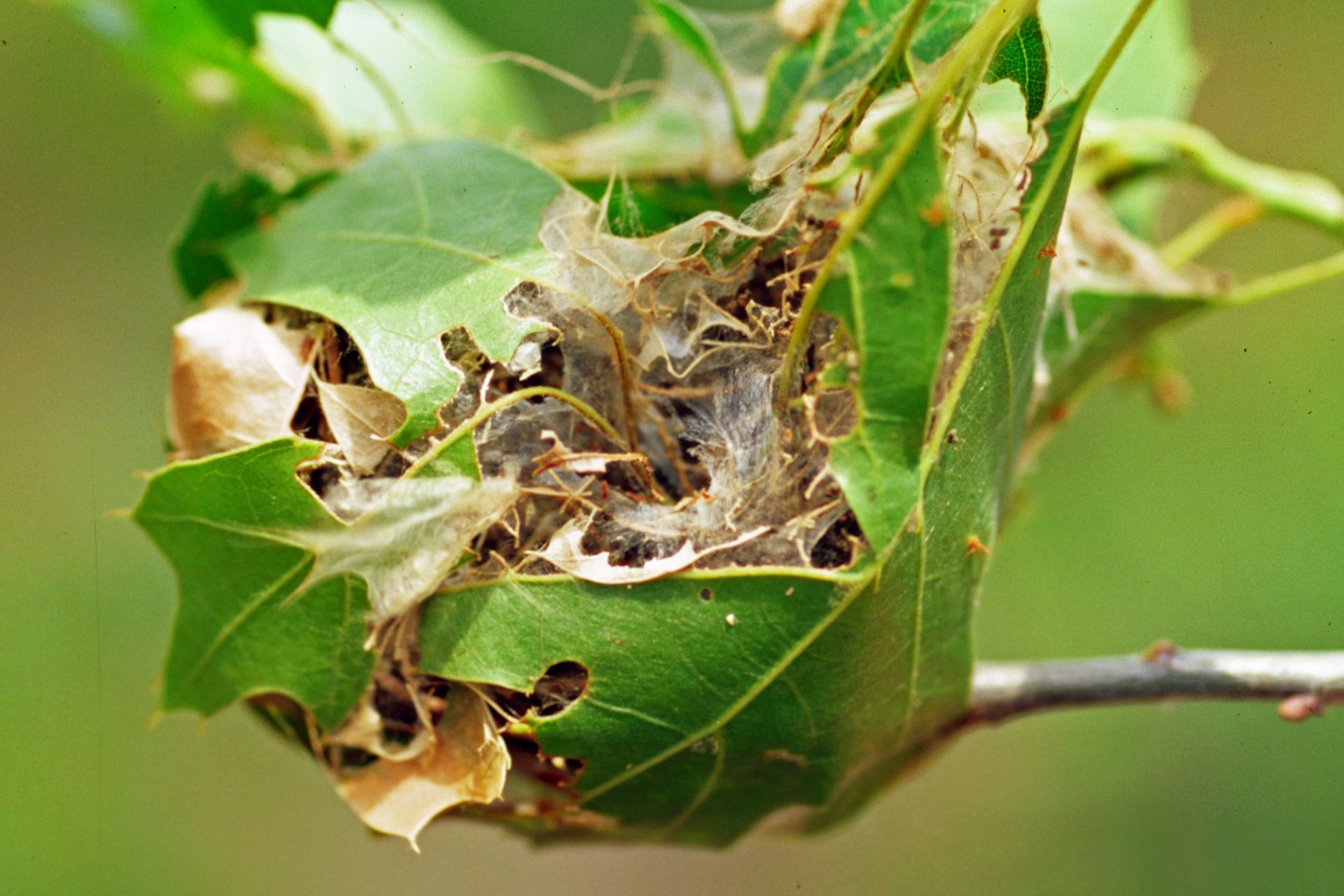
Archips fervidana, commonly known as the oak webworm , is a small tortricid moth with a wingspan of 18–25 mm. Its larvae are leafrollers that construct silk-bound shelters within rolled leaves. The is distributed across eastern and central North America, with larvae feeding specifically on Carya (hickory) and Quercus (oak) species.
Pronunciation
How to pronounce Archips fervidana: /ˈɑːrkɪps fɛrˈvɪdænə/
These audio files are automatically generated. While they are not always 100% accurate, they are a good starting point.
Identification
The specific combination of small size (wingspan 18–25 mm), geographic range in eastern North America, and larval association with Carya and Quercus distinguishes this from other Archips. Accurate identification to species level typically requires examination of genitalia or molecular analysis.
Images
Appearance
have a wingspan of 18–25 mm. As a member of Tortricidae, the forewings are typically broad and somewhat rectangular, held roof-like over the body at rest. Specific coloration and pattern details for this are not documented in available sources.
Habitat
Associated with hardwood forests and woodlands containing trees of the Carya and Quercus. The occupies suburban and rural environments where these host plants occur.
Distribution
Eastern and central North America: from Maine and Quebec south to North Carolina, west to Wisconsin and Arkansas. Additional records from Manitoba and Saskatchewan in Canada.
Diet
Larvae feed on Carya (hickory) and Quercus (oak) . feeding habits are not documented.
Host Associations
- Carya - larval hickory
- Quercus - larval oak
Life Cycle
Complete with , larval, pupal, and stages. Larvae are leafrollers that construct silk-bound shelters within rolled leaves of plants. Specific details of voltinism, stage, and site are not documented.
Behavior
Larvae exhibit leafrolling , constructing silk-bound shelters within rolled leaves of plants. When threatened, larvae may eject from the leaf roll using a silken safety line, a behavior observed in related leafroller .
Ecological Role
Herbivore: larvae feed on leaves of hardwood trees. May serve as prey for and other natural enemies. Specific ecological impacts or are not documented.
Human Relevance
Potential minor pest of oak and hickory in forestry and ornamental settings, though economic significance is not documented. The has been subject to misidentification in faunistic records, highlighting the importance of expert identification for tortricid moths.
Similar Taxa
- Archips purpuranaSimilar leafroller and ; distinguished by associations and geographic distribution patterns
- Other Archips speciesMany Archips are morphologically similar and require genitalia examination or molecular analysis for definitive identification; A. fervidana is specifically associated with Carya and Quercus
More Details
Nomenclatural history
Originally described as Lozotaenia fervidana by Clemens in 1860, later transferred to the Archips.
Identification challenges
Archips fervidana has been subject to misidentification in regional faunistic surveys, as noted in critical reviews of insect records from the Murmansk oblast where related were incorrectly reported. This underscores the importance of identification for this group.