
Apotomis deceptana
(Kearfott, 1905)
Deceptive Apotomis
Apotomis deceptana is a small tortricid in the Olethreutinae, known from the Canadian prairie provinces. The was described by Kearfott in 1905. are active during summer months. Larval remains poorly documented, though often feed on woody Rosaceae.


Pronunciation
How to pronounce Apotomis deceptana: /ˌæpəˈtoʊmɪs dɪˈsɛptənə/
These audio files are automatically generated. While they are not always 100% accurate, they are a good starting point.
Identification
Forewing pattern of alternating light and dark fasciae may suggest several Olethreutinae . Apotomis typically show more pronounced costal strigulae (fine streaks) and a less defined ocellus than related genera such as Endothenia or Gypsonoma. Male genitalia with distinctive uncus shape and armature; female with characteristic signum in corpus bursae. Examination of genitalia is usually required for definitive identification to species.
Images
Appearance
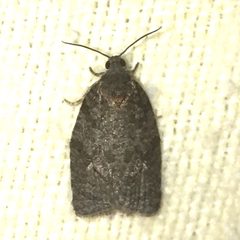
are small with wingspan approximately 15–20 mm. Forewings are relatively narrow with somewhat rounded apex. Coloration is generally mottled gray-brown with variable darker markings. Hindwings are pale grayish. is subtle, with females slightly larger on average.
Habitat
Recorded from open in the prairie provinces, including grassland-woodland transition zones and riparian corridors with scattered trees and shrubs.
Distribution
Known from Alberta, Manitoba, and Saskatchewan in Canada. Records are sparse; actual range may extend into adjacent U.S. states but unconfirmed.
Seasonality
have been recorded from June to August, with peak activity in July. Single-brooded ().
Life Cycle
Larval stages and details undocumented. Based on congeneric patterns, larvae likely feed internally in stems, buds, or fruits of woody plants. stage unknown.
Behavior
are and attracted to light. Daytime resting posture typical of Tortricidae: wings held roof-like over body.
Human Relevance
No known economic importance. Occasionally encountered by lepidopterists and in biodiversity surveys.
Similar Taxa
- Apotomis capreanaOverlaps in range and general appearance; distinguished by male genitalia structure and slight differences in forewing pattern intensity.
- Endothenia spp.Similar Olethreutinae with mottled gray forewings; Endothenia typically shows reduced costal strigulae and different genitalia.
- Gypsonoma spp.Comparable size and coloration; Gypsonoma usually have more distinct ocellar spot and different larval associations.
More Details
Etymology
Specific epithet 'deceptana' refers to the deceptive or confusing similarity to related , a common naming convention in Tortricidae.
Taxonomic History
Originally described in the Semasia by Kearfott (1905), later transferred to Apotomis. The genus Apotomis has undergone multiple revisions; limits remain challenging without genitalia examination.