
Proteoteras naracana
Kearfott, 1907
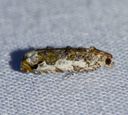
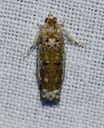
Proteoteras naracana is a small tortricid native to eastern North America. have a wingspan of 15–17 mm and are active from April through July. The larvae feed on maple (Acer), though specific details of their feeding habits remain poorly documented. The species is recorded from eleven U.S. states ranging from Massachusetts to Alabama.
Pronunciation
How to pronounce Proteoteras naracana: /proʊtiˈoʊtərəs nærəˈkænə/
These audio files are automatically generated. While they are not always 100% accurate, they are a good starting point.
Identification
This can be distinguished from the congeneric Maple Twig Borer Moth (Proteoteras aesculana) by geographic and phenological factors, though precise morphological differences require examination. Both species share maple (Acer) as a larval . Definitive identification typically requires dissection and examination of genitalia. The Proteoteras is characterized by specific wing venation and genitalic structures that separate it from other Olethreutinae.
Images
Habitat
Associated with maple-dominated forests and woodlands. Presence is tied to the distribution of Acer . Specific microhabitat preferences for are not documented.
Distribution
Eastern United States. Recorded from Alabama, Illinois, Indiana, Kentucky, Maryland, Massachusetts, Ohio, Pennsylvania, Tennessee, West Virginia, and Wisconsin. The distribution corresponds broadly with the range of native maple in eastern deciduous forests.
Seasonality
are on wing from April to July. This relatively extended period suggests either a single long-emerging or possibly multiple overlapping generations, though this has not been confirmed.
Diet
Larvae feed on Acer (maples). Specific plant parts consumed and whether larvae are leaf-feeders, borers, or seed-feeders have not been documented. feeding habits are unknown.
Host Associations
- Acer - larval -level identification only; specific Acer not recorded
Life Cycle
Complete with , larva, pupa, and stages. Detailed including number of per year, stage, and larval development period are unknown.
Behavior
are and attracted to light. No other have been documented.
Ecological Role
Larval stage functions as a herbivore on maple trees. impacts on plants are unknown; the is not reported as a significant pest. Potential roles as prey for birds, bats, and insects are presumed but undocumented.
Human Relevance
No documented economic or cultural significance. Not known to be a pest of ornamental or commercial maple plantings.
Similar Taxa
- Proteoteras aesculanaCongeneric also associated with maple; requires genitalic examination for definitive separation
- Proteoteras crescentanaCongeneric with potentially overlapping range; similar size and associations
More Details
Taxonomic history
Described by Kearfott in 1907. The specific epithet 'naracana' has no documented etymology. The Proteoteras currently contains approximately six North American , all associated with hardwood trees in the Sapindaceae or Rosaceae.
Research needs
Basic of this remains undocumented, including larval , specific plant species and plant parts utilized, site, and precise . All life stages beyond the require description.