
Acrolophinae
Burrowing Webworm Moths, Tube Moths
Genus Guides
2- Acrolophus(Grass Tubeworm Moths)
- Amydria
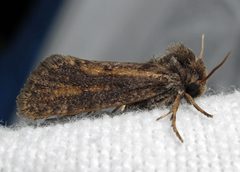
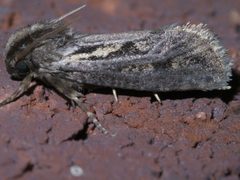
Acrolophinae is a of small within the Tineidae, containing approximately 300 across five . Members are commonly known as burrowing webworm moths or tube moths due to larval habits. The group is restricted to the New World and is considered closely related to other Tineidae. Larvae construct silk tubes or burrows in which they feed and develop.
Pronunciation
How to pronounce Acrolophinae: /ˌækrɵloʊˈfaɪniː/
These audio files are automatically generated. While they are not always 100% accurate, they are a good starting point.
Identification
Distinguished from other Tineidae by a combination of genitalic characters and larval ; are generally small with unremarkable wing patterns that do not permit easy visual separation from related groups. Accurate identification to subfamily level requires examination of genitalia or larval case structure. The five (Acrolophus, Amydria, Drastea, Exoncotis, Ptilopsaltis) are separated by subtle morphological differences in wing venation and genital structure.
Images
Distribution
Restricted to the New World; occurs in North, Central, and South America. No native are known from the Old World.
Diet
Larvae feed on decaying plant matter, fungi, and detritus. Specific records are sparse, but feeding habits align with the detritivorous tendency of the Tineidae.
Life Cycle
Larvae construct silk-lined tubes or burrows in soil, leaf litter, or decaying organic material, within which they feed and pupate. This tube-building gives the group its . occurs within the larval tube.
Behavior
Larvae are notable for constructing protective silk tubes or burrows in substrate; are presumably with limited activity patterns documented.
Ecological Role
Larvae function as , contributing to decomposition of plant material and nutrient cycling in terrestrial .
Human Relevance
Minimal direct economic impact; not known as significant pests of stored products or agriculture, unlike some related Tineidae. Occasionally encountered by entomologists and naturalists.
Similar Taxa
- TineinaeAnother of Tineidae; distinguished by larval habits (clothes moths construct portable cases from fibers rather than fixed silk tubes in substrate) and genitalic .
- NemapogoninaeTineidae with detritivorous larvae; separated by larval case structure and genitalia.
More Details
Taxonomic History
Acrolophinae has been treated as a separate (Acrolophidae) in some classifications, but current consensus places it as a of Tineidae based on phylogenetic evidence.
Larval Tube Construction
The 'tube ' refers to the fixed, silk-lined burrows constructed by larvae, which differ from the portable cases of clothes moths (Tineinae).