Psyche casta
(Pallas, 1767)
Bagworm Moth
Psyche casta is a bagworm moth in the Psychidae. Males are small, winged insects with metallic brown wings, while females are wingless and -like. The exhibits strong and is native to the Palearctic region, with introduced in North America. Caterpillars construct portable protective cases from grass and plant material.
Pronunciation
How to pronounce Psyche casta: /ˈsaɪki ˈkæstə/
These audio files are automatically generated. While they are not always 100% accurate, they are a good starting point.
Identification
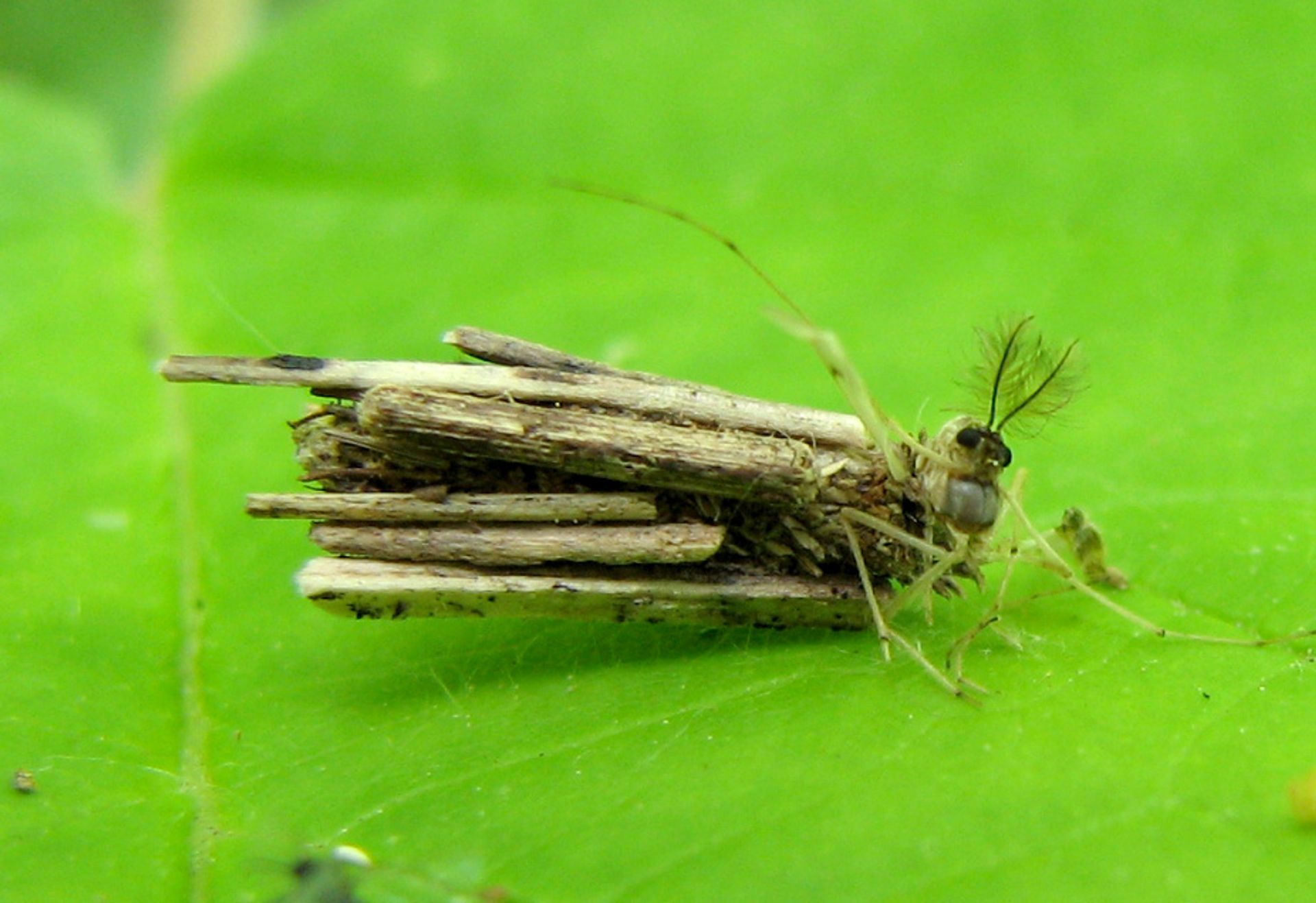
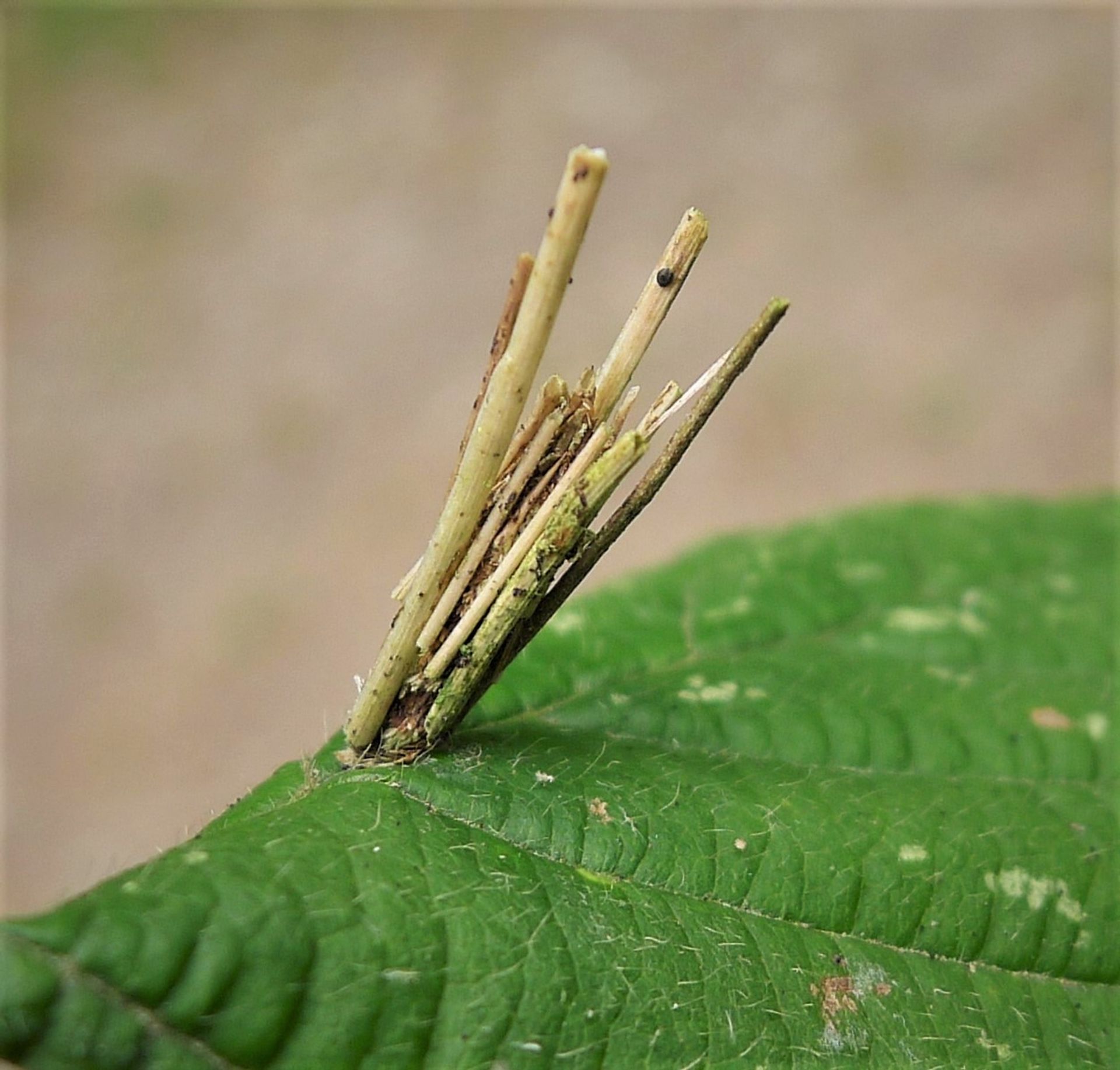
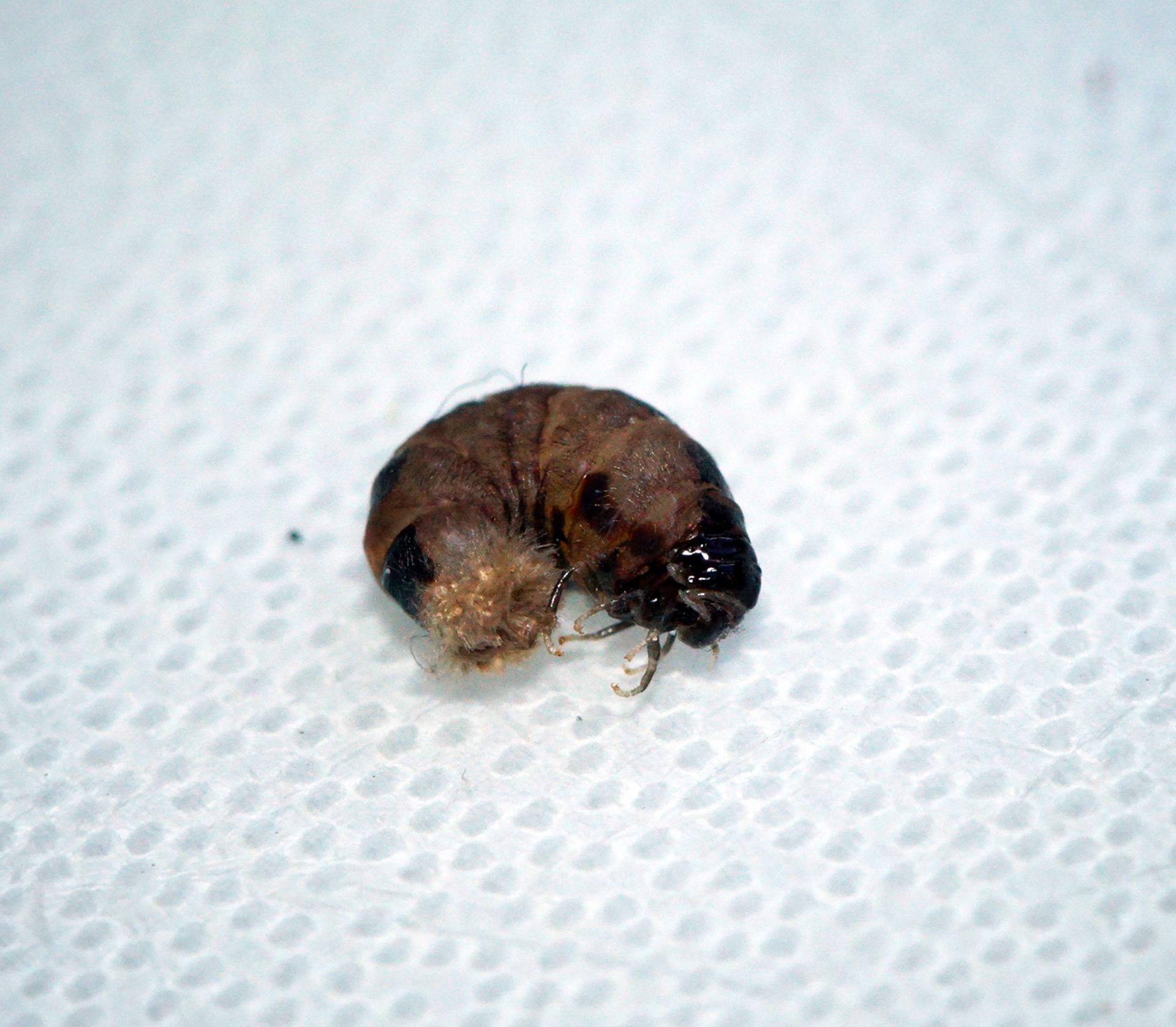
Distinguishable from other Psychidae by the male's small size (12–15 mm), hairy metallic brown wings, and period in late spring to mid-summer. Females are identified by their wingless, yellowish- form with dark plates and presence near larval cases. The grass-constructed larval case is narrower and more elongated than those of many other Psychidae .
Images
Appearance
Males have hairy, brown-metallic shiny wings with a wingspan of 12–15 millimeters. Females are wingless, -like, with legs but no wings; they are yellowish or light brown with dark brown plates.
Habitat
Found in grassland , meadows, and open woodlands where plants occur. Larvae inhabit portable cases constructed from grass blades and silk, attached to host vegetation.
Distribution
Native to the Palearctic region (Europe, Asia). Introduced and established in North America. GBIF records confirm presence throughout Belgium.
Seasonality
period from May to July. activity.
Diet
Larvae feed on Poaceae (grasses), birch (Betula), willow (Salix), poplar (Populus), and Vaccinium .
Host Associations
- Poaceae - larval food plantprimary case construction material and food source
- Betula - larval food plantbirch
- Salix - larval food plantwillow
- Populus - larval food plantpoplar
- Vaccinium - larval food plantblueberry and related
Life Cycle
Complete . Larvae construct and inhabit portable silk cases reinforced with grass blades, which they carry throughout development. occurs within the case. Females remain wingless and larva-like as , emerging from their cases to mate.
Behavior
activity in males. Larvae are mobile case-bearers, dragging their protective hulls while feeding. Females do not disperse by flight.
Ecological Role
Herbivore in grassland and early successional plant . Larval case construction contributes to nutrient cycling through processing of plant material.
Human Relevance
Occasional minor pest of cultivated Vaccinium (blueberries) and ornamental birch, willow, and poplar. No significant economic impact documented.
Similar Taxa
- Other Psychidae speciesMany Psychidae larvae construct plant-material cases; P. casta distinguished by narrow grass-dominated cases and specific plant associations.
- Luffia ferchaultellaAlso uses grass in case construction, but P. casta cases are more elongated and males have distinct metallic wing coloration.
More Details
Sexual dimorphism note
The extreme in P. casta, with flightless females, is characteristic of many Psychidae and represents an where female is limited to crawling, while males actively seek mates by .
Case construction
The larval case is specifically noted to be constructed from grass (Poaceae), unlike some Psychidae that use twigs, bark, or other materials, making this a useful field characteristic.