
Moodna
Hulst, 1890
Species Guides
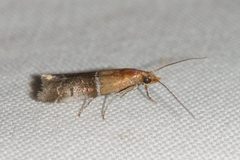
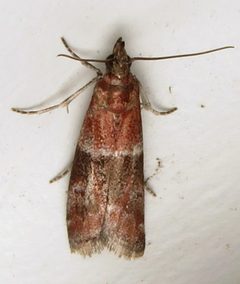
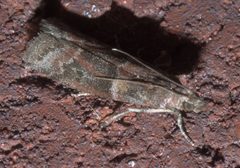
2- Moodna ostrinella(Darker Moodna Moth)
- Moodna pallidostrinella(Paler Moodna Moth)
Moodna is a of snout moths in the Pyralidae, Phycitinae. The genus was described by George Duryea Hulst in 1890. Members of this genus are small to medium-sized pyralid moths with the characteristic elongated labial palps that give the family its . The genus is part of the diverse Phycitinae subfamily, which contains many associated with stored products and plant materials.
Pronunciation
How to pronounce Moodna: //ˈmuːdnə//
These audio files are automatically generated. While they are not always 100% accurate, they are a good starting point.
Identification
Identification to requires examination of genitalia and wing venation patterns typical of Phycitinae. Members of Moodna can be distinguished from related genera by specific combinations of wing pattern elements and male genitalia structure, though precise diagnostic features require taxonomic references. The genus lacks the prominent snout projection seen in some other pyralid genera.
Images
Distribution
Records exist from the northeastern United States, specifically Vermont. The likely has a broader North American distribution given the number of iNaturalist observations (over 4,700), though precise range boundaries are not well documented in available sources.
Similar Taxa
- Other Phycitinae generaMany Phycitinae share similar small size, dull coloration, and wing patterns; Moodna requires genitalia examination for definitive separation from closely related genera such as Acrobasis and Etiella.
More Details
Nomenclatural note
The name Moodna is also used for a tributary of the Hudson River in New York State (Moodna Creek) and associated landmarks including the Moodna Viaduct. The etymology of the genus name is not documented in available sources.