Dioryctria reniculelloides
Mutuura & Munroe, 1973
spruce coneworm, Spruce Coneworm Moth
Dioryctria reniculelloides, the spruce coneworm, is a small pyralid first described in 1973. Its frequently coincide with spruce budworm across North American spruce forests. The is occasionally abundant and can become a serious pest, particularly on white spruce, where larvae feed on new foliage and cones.
Pronunciation
How to pronounce Dioryctria reniculelloides: /ˌdaɪ.ɔːrɪkˈtriːə rɛnɪˌkjʊˈlɛloɪdz/
These audio files are automatically generated. While they are not always 100% accurate, they are a good starting point.
Identification
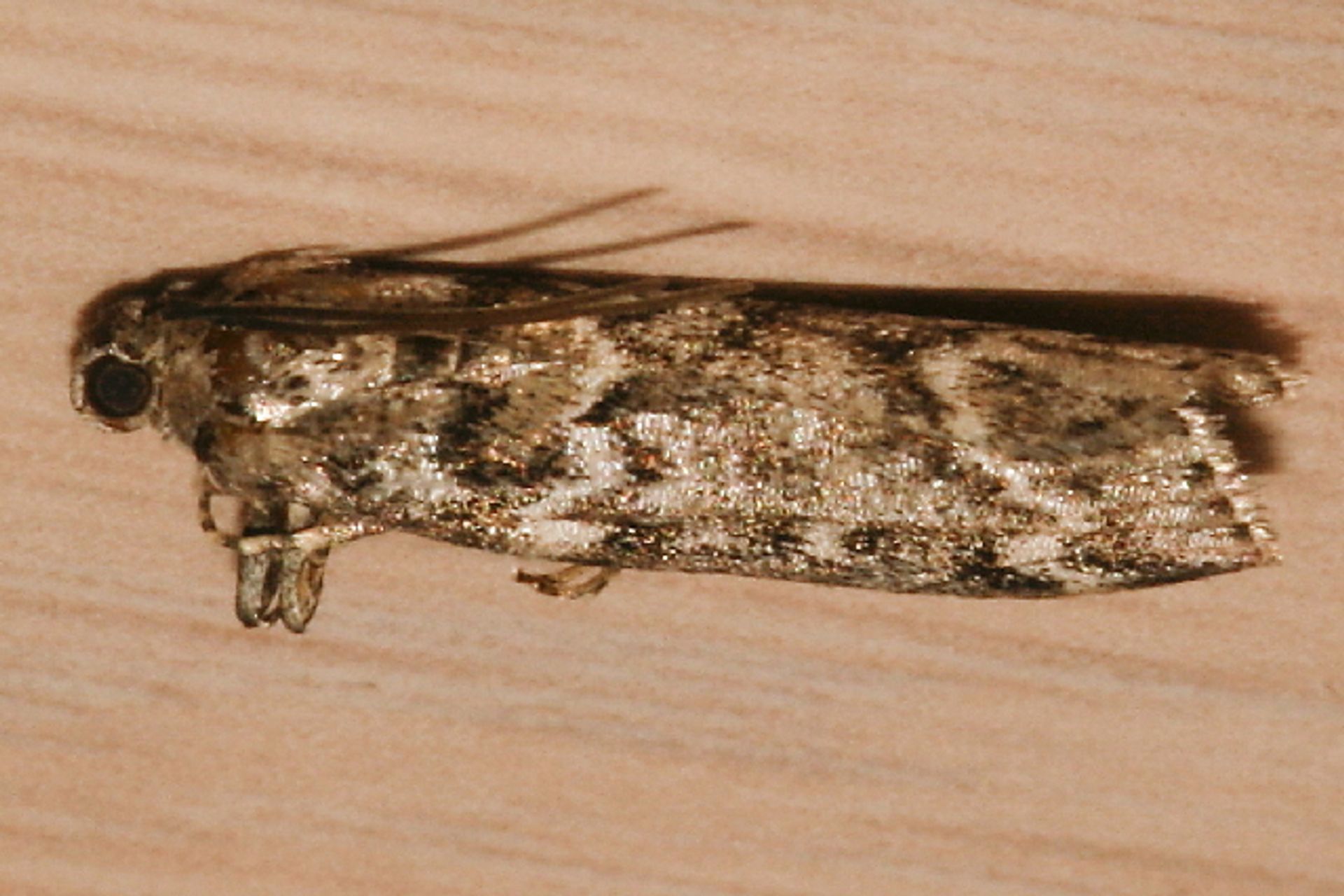
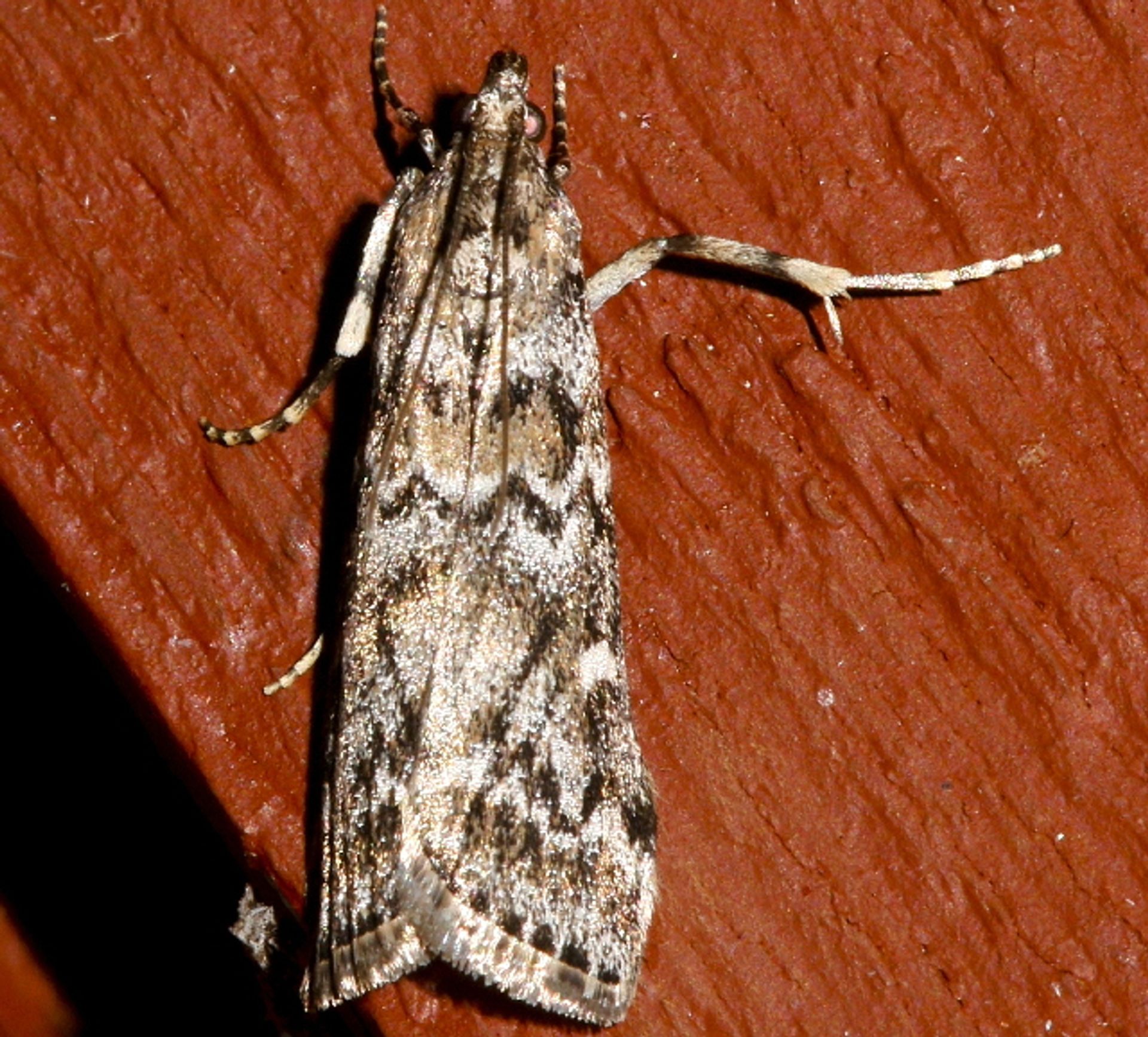
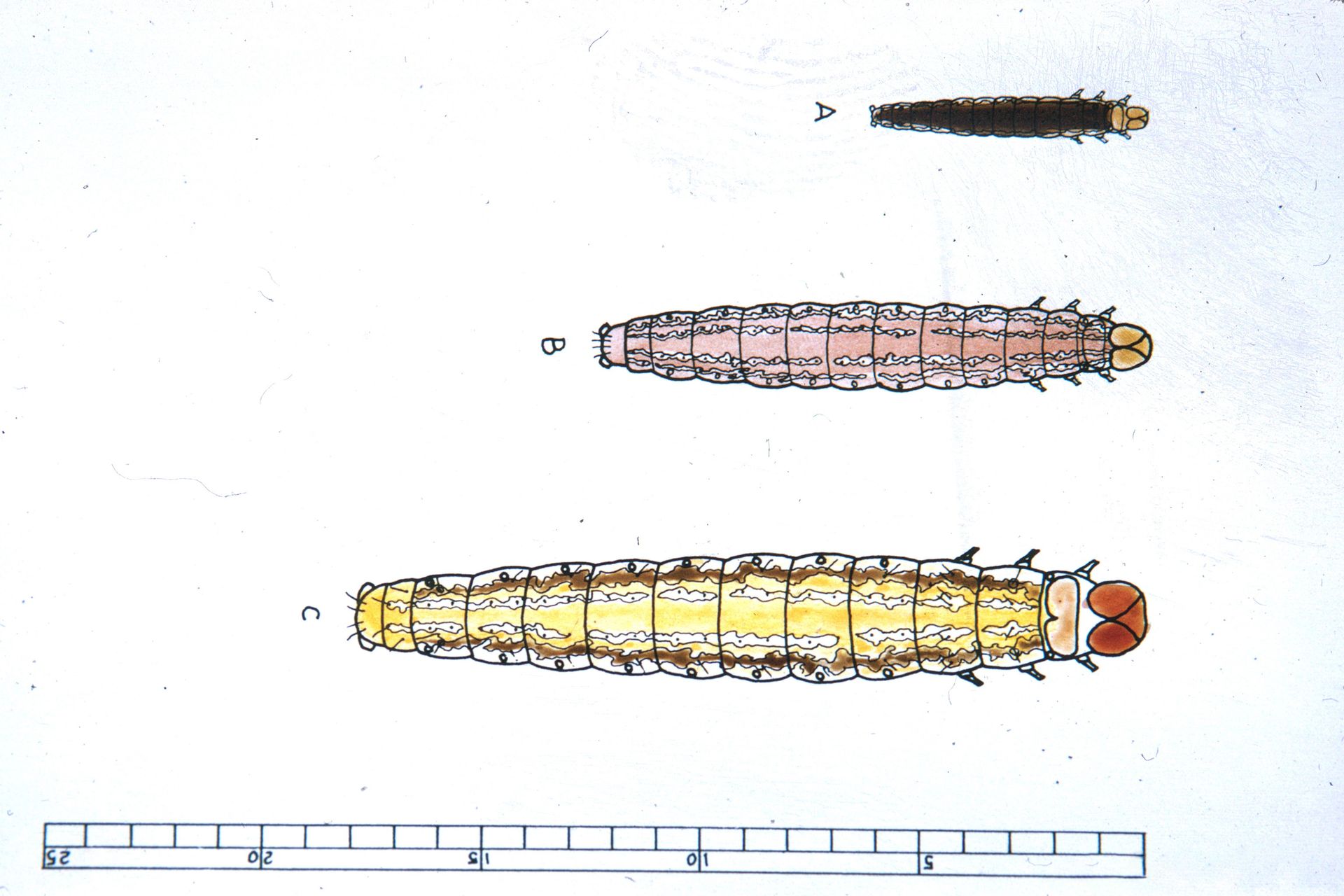
The small size (wingspan 9.5–11 mm) and association with spruce cones and foliage help distinguish this from other conifer-feeding . are active from June to August. Larvae feed within cones and on new foliage of spruce species, distinguishing them from foliage-only feeders. The species shows resistance to aerial applications that affect spruce budworm, suggesting behavioral or physiological differences from that species.
Images
Appearance
have a wingspan of 9.5–11 mm. The is a small typical of the Dioryctria, with adults being 10–15 mm in body length.
Habitat
Spruce forests, primarily in the middle crown branches of red spruce. Also found in white spruce and black spruce stands. Occurs through most or all of the range of spruce in North America.
Distribution
From Nova Scotia to Alaska; south in the east to New York; south in the west to California and New Mexico. Recorded from China in 2009. Also documented in Maine, Montana, and the Canadian provinces of Alberta, Manitoba, and Saskatchewan.
Seasonality
are on wing from June to August. One per year. Overwinters as a first-instar larva. occurs in late June and early July.
Diet
Larvae feed on new foliage and cones of spruce , including Picea (spruce), and often balsam fir (Abies). Recorded include Picea, Pseudotsuga menziesii (Douglas-fir), Tsuga (hemlock), Abies (fir), and Pinus contorta (lodgepole pine).
Host Associations
- Picea rubens - ; larval food plantMiddle crown branches are primary location
- Picea glauca - ; larval food plantNearly equal proportions with red spruce in mixed stands
- Picea mariana - ; larval food plantLower abundance compared to red spruce in mixed stands
- Abies balsamea - larval food plantOften fed upon in addition to spruce
- Pseudotsuga menziesii - larval food plantRecorded
- Tsuga - larval food plantRecorded
- Pinus contorta - larval food plantRecorded
Life Cycle
One per year. Overwinters as a first-instar larva in spruce branches, primarily in the middle crown. occurs in late June and early July. emerge from June to August.
Behavior
Larvae feed concealed within cones and on new foliage. The shows resistance to aerial treatments that significantly reduce spruce budworm , due to behavioral or physiological characteristics. Population abundance often coincides with spruce budworm .
Ecological Role
Defoliator and cone-feeder in spruce forest . Serves as for multiple , including Apanteles fumiferanae, Glypta fumiferanae, Phaeogenes hariolus, Cermoasia auricaudata, and Madremyia saundersii. are spatially correlated with spruce budworm (r = 0.87), suggesting linked ecological factors.
Human Relevance
Occasional forest pest capable of causing serious damage, particularly to white spruce seed crops. Can reduce seed production, though typically less than 10% of crop in central Canada. Management is complicated by resistance to aerial applications. Potential target for research.
Similar Taxa
- Choristoneura fumiferana (spruce budworm)Co-occurs in spruce forests and shows similar geographic and temporal trends; distinguished by different (Tortricidae), different larval feeding habits (primarily foliage, not cones), and susceptibility to aerial
- Dioryctria auranticella (Ponderosa Pine Coneworm)Congeneric with similar cone-feeding habits; distinguished by different preferences (pine vs. spruce) and geographic distribution
- Henricus fuscodorsana (cone cochylid)Also feeds in spruce cones; distinguished by (Tortricidae) and typically lower impact on seed crops
More Details
Population Dynamics
Survey records since 1949 show similar geographical and temporal trends between D. reniculelloides and spruce budworm in Maine, with a correlation coefficient of r = 0.87 for spatial population size.
Insecticide Resistance
Due to behavioral or physiological traits, D. reniculelloides appeared to aerial spray treatments with Bacillus thuringiensis that significantly reduced spruce budworm in Montana.
Parasitoid Relationships
Twenty-one were recovered in rearings of this species and western spruce budworm in Montana. Parasitoid alterations occurred following B.t. application, with increased by early-instar parasitoids and decreased parasitism by late-instar and pupal parasitoids.
Sources and further reading
- BugGuide
- Wikipedia
- GBIF taxonomy match
- iNaturalist taxon
- NCBI Taxonomy
- Catalogue of Life
- Baryscapus dioryctriae Archives - Entomology Today
- Baryscapus dioryctriae - Entomology Today
- Bug Eric: New Mexico Night Bugs
- Bug Eric: My Personal National Moth Week, 2017
- Bug Eric: September 2017
- New Wasp Species Discovered Parasitizing Pests of Pine Trees
- SOME POPULATIONAL RELATIONSHIPS BETWEEN SPRUCE BUDWORM, CHORISTONEURA FUMIFERANA (LEPIDOPTERA: TORTRICIDAE) AND SPRUCE CONEWORM, DIORYCTRIA RENICULELLOIDES (LEPIDOPTERA: PYRALIDAE)
- THE EFFECTS OF BACILLUS THURINGIENSIS ON PARASITOIDS OF THE WESTERN SPRUCE BUDWORM, CHORISTONEURA OCCIDENTALS (LEPIDOPTERA: TORTRICIDAE), AND THE SPRUCE CONEWORM, DIORYCTRIA RENICULELLOIDES (LEPIDOPTERA: PYRALIDAE), IN MONTANA