Dioryctria albovittella
(Hulst, 1890)
pinyon tip moth
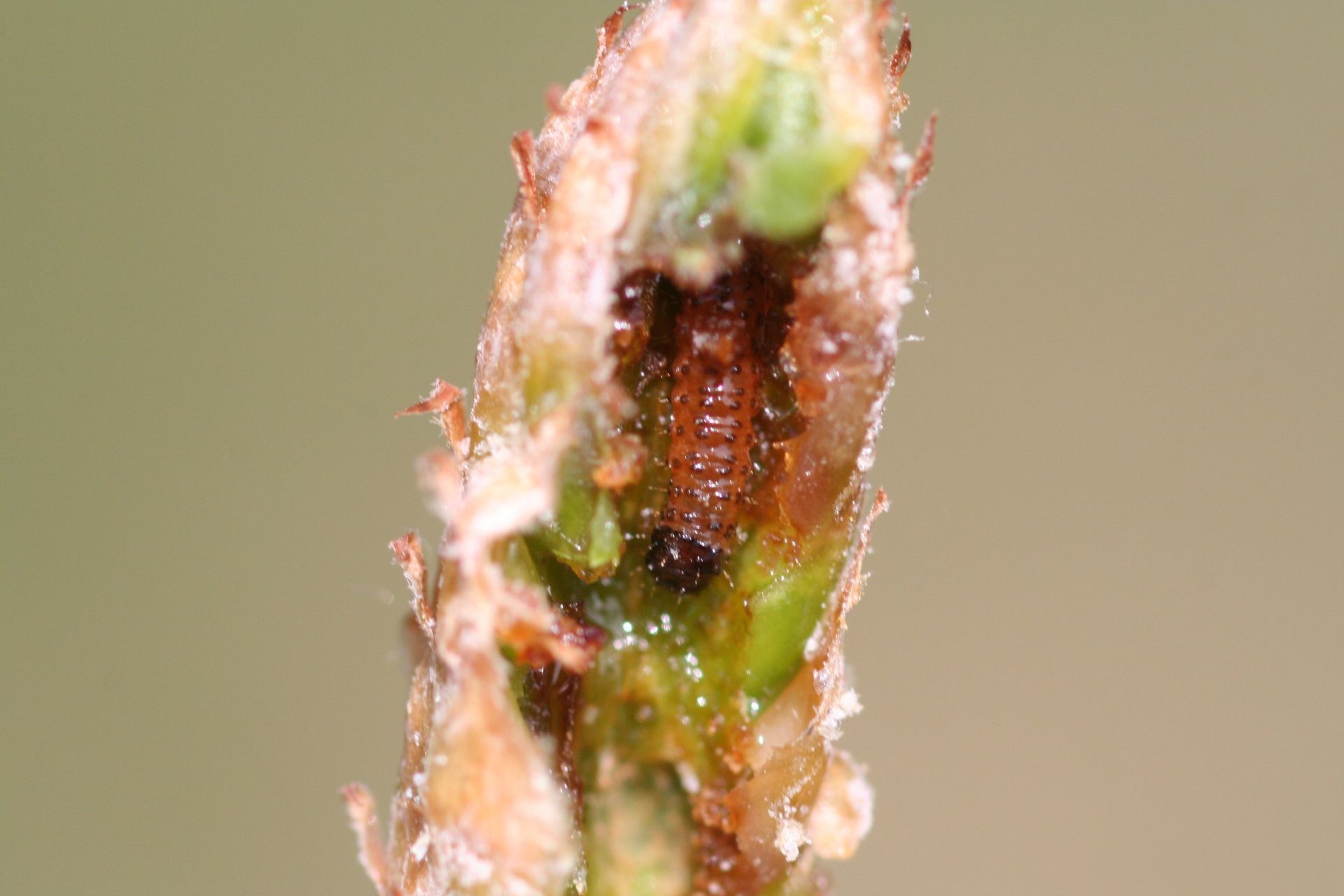
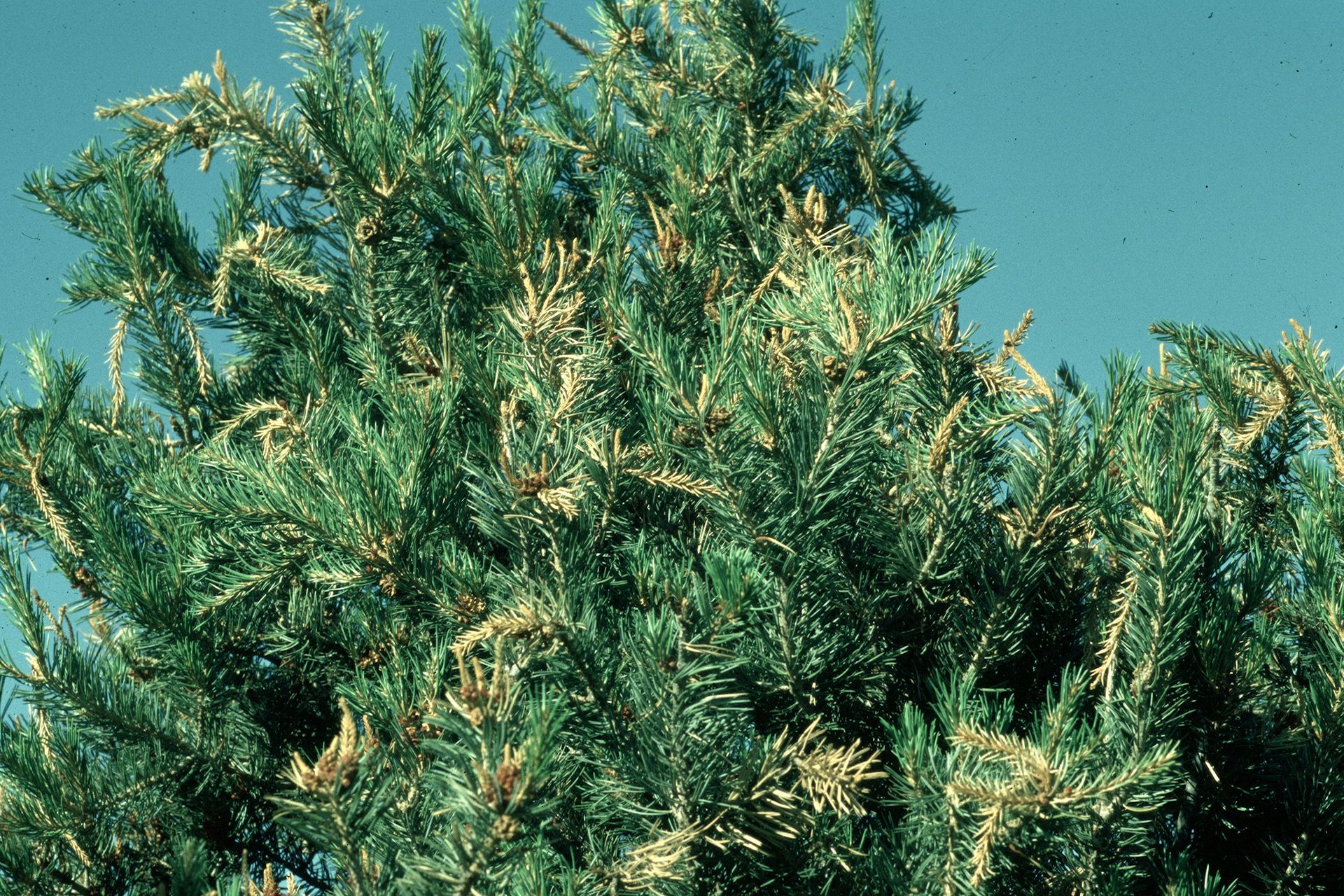
Dioryctria albovittella, commonly known as the pinyon tip , is a pyralid moth native to North America. The is a herbivore whose larvae feed within shoots and cones of pinyon pine (Pinus edulis), causing damage that can alter tree form and reduce cone production. are active in mid-summer with a single . Taxonomic uncertainty exists, as specimens historically identified as D. albovittella across a broad geographic range may represent a .
Pronunciation
How to pronounce Dioryctria albovittella: /daɪˌɔːrɪkˈtriːə ˌælboʊvɪtˈtɛlə/
These audio files are automatically generated. While they are not always 100% accurate, they are a good starting point.
Identification
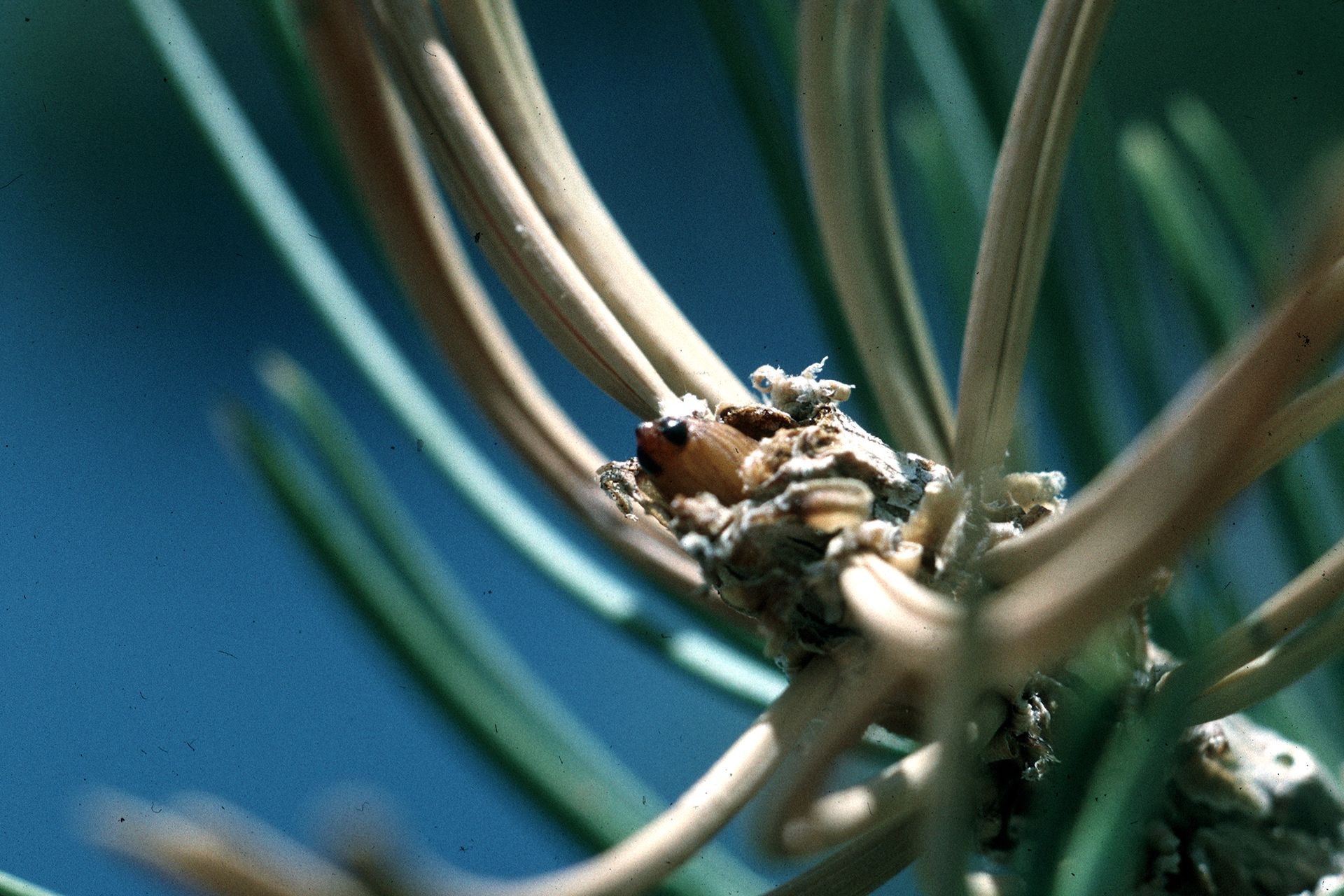
The can be identified by its association with pinyon pine and geographic occurrence in the southwestern United States. are active from late June to August. Larval damage to shoots and cones provides evidence of presence. Accurate identification to species level within the Dioryctria typically requires examination of genitalia or molecular analysis due to morphological similarity among coneworm species.
Images
Appearance
have a wingspan of approximately 25 mm. The exhibits the typical of coneworm moths in the Dioryctria, with relatively small body size (10-15 mm length) and wings held in a characteristic posture at rest.
Habitat
Pinyon pine (Pinus edulis) forests in the southwestern United States, specifically within shoots and cones of the tree. Larvae feed in both vegetative and reproductive structures of pinyon pine.
Distribution
North America, including New Mexico and Colorado. Historical collection records suggest a broader range from Newfoundland and Nova Scotia west to British Columbia and California, though taxonomic uncertainty exists regarding whether these represent a single or a .
Seasonality
are on wing from late June to August. The has one per year, with first instar larvae in within structures.
Diet
Larvae feed on pinyon pine (Pinus edulis), consuming shoots and cones. Feeding damage can cause loss of cones and alter the typical conical growth form of trees through bud and shoot damage.
Host Associations
- Pinus edulis Engelm. - primary larval pinyon pine; larvae feed in shoots and cones
- Pinus monophylla Torrey and Fremont - larval singleleaf pinyon
Life Cycle
Single (). First instar larvae overwinter in . Development occurs within shoots and cones. presumably occurs within feeding galleries, though specific details are not well documented in available sources.
Behavior
Larvae are concealed feeders, tunneling within pinyon pine shoots and cones. This cryptic habit makes larvae difficult to detect and target with . are and attracted to light.
Ecological Role
Herbivore and forest pest. Larval feeding reduces cone production and can deform tree architecture. The serves as host for , including Baryscapus dioryctriae in China (though this specific parasitoid association has not been documented for North American of D. albovittella).
Human Relevance
Economic pest of pinyon pine, particularly affecting cone production and tree form. The concealed feeding habit of larvae limits effectiveness of chemical control. Potential interest for research given related Dioryctria are targets for biocontrol agents in managed pine forests.
Similar Taxa
- Dioryctria auranticellaAlso a coneworm feeding on conifers; similar in size and general appearance. D. auranticella is associated with ponderosa pine rather than pinyon pine, and geographic ranges differ.
- Other Dioryctria speciesApproximately 40 occur in North America, many morphologically similar and requiring dissection or molecular analysis for definitive identification. Larval associations and geographic distribution provide the most reliable distinguishing characters.
Sources and further reading
- BugGuide
- Wikipedia
- GBIF taxonomy match
- NCBI Taxonomy
- Catalogue of Life
- Baryscapus dioryctriae Archives - Entomology Today
- Baryscapus dioryctriae - Entomology Today
- Bug Eric: New Mexico Night Bugs
- Bug Eric: My Personal National Moth Week, 2017
- Bug Eric: September 2017
- New Wasp Species Discovered Parasitizing Pests of Pine Trees
- Dioryctria albovittella (Hulst) (Lep., Pyralidae) in shoots and cones of pinyon (Pinus edulis Engelm.) in Colorado