
Alpheias
Ragonot, 1891
Species Guides
4Alpheias is a of snout moths in the Pyralidae, Galleriinae. The genus was established by Émile Louis Ragonot in 1891 and contains found in North America and the Caribbean. Members are small to medium-sized with the characteristic snout-like labial palps typical of pyralid moths. The genus is relatively poorly documented compared to many other pyralid genera.
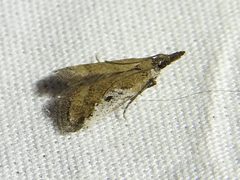
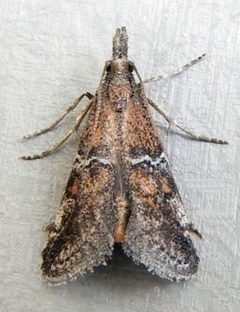
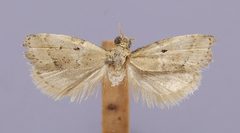
Pronunciation
How to pronounce Alpheias: /ælˈfiːəs/
These audio files are automatically generated. While they are not always 100% accurate, they are a good starting point.
Identification
Alpheias can be recognized as pyralid moths by their elongated labial palps that project forward like a snout, a diagnostic feature of the . Within Pyralidae, placement in Galleriinae is determined by wing venation and genitalic characters. Species-level identification requires examination of genitalia and often dissection; superficial similarities to other small galleriine such as Galleria and Corcyra make field identification to species unreliable without examination.
Images
Distribution
Recorded from Mexico, Jamaica, and the United States (California and Texas). The disjunct distribution between western and southern North America plus the Caribbean suggests either incomplete sampling or genuine biogeographic fragmentation. The appears absent from most of the eastern United States and Central America outside Mexico.
Similar Taxa
- GalleriaAlso in Galleriinae with similar size and general habitus; distinguished by genitalic structure and wing pattern details
- CorcyraOverlaps in distribution and ; requires genitalic examination for reliable separation
- AphomiaSimilar snout moth ; Aphomia often have more distinct wing markings and different male genitalia
More Details
Taxonomic history
The has remained in Galleriinae since its description with no major reclassification, though the itself has undergone revision. The type and full species inventory require verification against modern revisionary work.
Research needs
The is in need of modern taxonomic revision. Published descriptions are scattered and often based on limited material. Larval stages and associations remain undocumented for most or all species.