
Pococera aplastella
Hulst, 1888
Aspen Webworm Moth
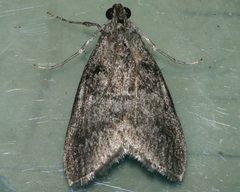
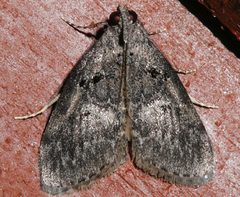
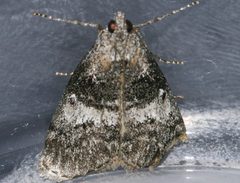
Pococera aplastella is a in the Pyralidae, Epipaschiinae. Commonly known as the Aspen Webworm Moth, it occurs in western and central Canada. Larvae are web-forming caterpillars that feed on aspen and related plants. The species has been documented in Alberta, Manitoba, and Saskatchewan.
Pronunciation
How to pronounce Pococera aplastella: //poʊˈkoʊsəɹə æˈplæstɛlə//
These audio files are automatically generated. While they are not always 100% accurate, they are a good starting point.
Identification
Distinguished from related Pococera by genitalic characters and geographic distribution. Within the Pococera, identification to species level typically requires dissection and examination of male genitalia or female abdominal structures. The species is part of a complex of webworm that require taxonomic knowledge for reliable identification.
Images
Habitat
Associated with aspen forests and woodlands. Larval consists of webbed leaf shelters on trees. Specific microhabitat preferences for are poorly documented.
Distribution
Recorded from Alberta, Manitoba, and Saskatchewan in Canada. The distribution appears centered in the prairie provinces, likely corresponding to the range of its primary plant, trembling aspen (Populus tremuloides).
Seasonality
period and larval activity timing are not well documented in available sources. As with most temperate Pyralidae, adults likely fly during summer months.
Diet
Larvae feed on aspen (Populus tremuloides) and possibly related Populus . They construct silken webs on foliage while feeding. feeding habits are unknown but likely include nectar or not feeding at all.
Host Associations
- Populus tremuloides - larval Trembling aspen, primary plant
Life Cycle
Complete with , larva, pupa, and stages. Larvae are web-forming caterpillars that feed gregariously or solitarily within silken shelters on aspen foliage. Specific details of egg deposition, site, and stage are not documented in available sources.
Behavior
Larvae exhibit web-building , constructing silken shelters on plant foliage for protection while feeding. This is characteristic of many Epipaschiinae and related pyralid groups. behavior is poorly known.
Ecological Role
As a folivore, larvae contribute to nutrient cycling in aspen and serve as prey for . The is part of the diverse of Lepidoptera associated with and temperate deciduous forests.
Human Relevance
Minor potential as a forest pest when are high, though not considered economically significant. The 'Aspen Webworm ' suggests occasional notice by forest managers. No other documented human interactions.
Similar Taxa
- Pococera asperatellaMaple Webworm Moth, a related with similar but associated with maple rather than aspen; requires genitalic examination for definitive separation
- Pococera robustellaAnother congeneric webworm ; boundaries in Pococera require taxonomic treatment
- Sciota uvinellaSweetgum Leafroller, similar web-forming pyralid larval but in different (Phycitinae)
More Details
Taxonomic Note
The Pococera belongs to the Epipaschiinae, a group of pyralid moths whose classification has undergone revision. identification traditionally relies on genitalic . The specific epithet 'aplastella' may reference the flattened or crushed appearance of or refer to a characteristic of the larval web.
Research Needs
Basic information including precise range, , and stage descriptions appear lacking in the accessible literature. The would benefit from focused study given its association with an economically important forest tree .