
Pococera
Zeller, 1848
snout moths
Species Guides
16- Pococera aplastella(Aspen Webworm Moth)
- Pococera asperatella(Maple Webworm Moth)
- Pococera baptisiella
- Pococera callipeplella
- Pococera euphemella(Mesquite Leaf Tier Moth)
- Pococera expandens(Striped Oak Webworm Moth)
- Pococera gelidalis
- Pococera griseella
- Pococera humerella
Pococera is a of snout moths in the Epipaschiinae, described by Philipp Christoph Zeller in 1848. The genus contains approximately 86 distributed primarily in North and Central America. Members of this genus are associated with forested and include species that are defoliators of coniferous trees, such as the pine webworm (Pococera robustella), which feeds on pine foliage and can cause significant damage to pine seedlings and plantations.
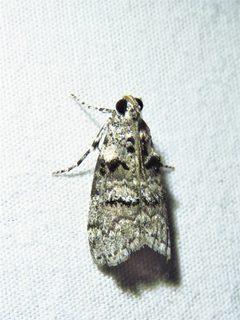
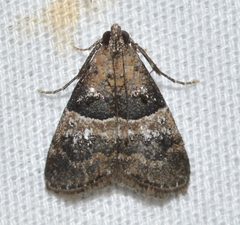
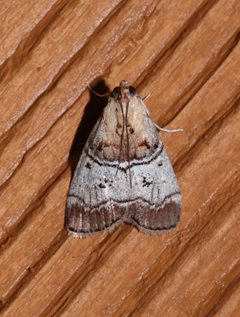
Pronunciation
How to pronounce Pococera: //ˌpoʊ.kəˈsɛ.rə//
These audio files are automatically generated. While they are not always 100% accurate, they are a good starting point.
Identification
Pococera are snout moths in the Pyralidae, characterized by the typical snout moth with elongated labial palps that project forward. They belong to the Epipaschiinae, distinguished from other pyralid subfamilies by specific wing venation and genitalia characteristics. Species within Pococera are distinguished from related through genitalia examination and subtle differences in wing pattern and body scaling.
Images
Habitat
Forested environments, particularly pine forests and plantations. such as Pococera robustella are specifically associated with pine trees where larvae create webs and feed on foliage.
Distribution
North and Central America; specifically documented in the eastern United States, north-central Florida, Wisconsin, and southeastern regions.
Diet
Larvae feed on pine foliage; Pococera robustella is a documented defoliator of pines including Florida slash pine and other Pinus .
Host Associations
- Pinus - larval food plantpines including Florida slash pine
- Florida slash pine - larval food plantdocumented for Pococera robustella
Life Cycle
Complete with , larval, pupal, and stages. Larvae are defoliators that create webs on trees. Specific timing of developmental stages varies by and region.
Behavior
Larvae create protective webs on trees while feeding. are and attracted to light.
Ecological Role
Larvae function as primary consumers of pine foliage. Some are significant forest pests that can damage pine seedlings and plantations. Natural enemies include predatory assassin bugs such as Acholla multispinosa.
Human Relevance
Some , particularly Pococera robustella, are considered forest pests due to defoliation damage to pine plantations and seedlings. Management may be required in commercial forestry operations.
Similar Taxa
- TetralophaPococera robustella was formerly classified as Tetralopha robustella; these share similar and ecological associations with coniferous
- Other Epipaschiinae generasimilar snout moth ; requires examination of genitalia and wing venation for accurate distinction