Terastia
Guenée, 1854
Species Guides
1- Terastia meticulosalis(erythrina borer)
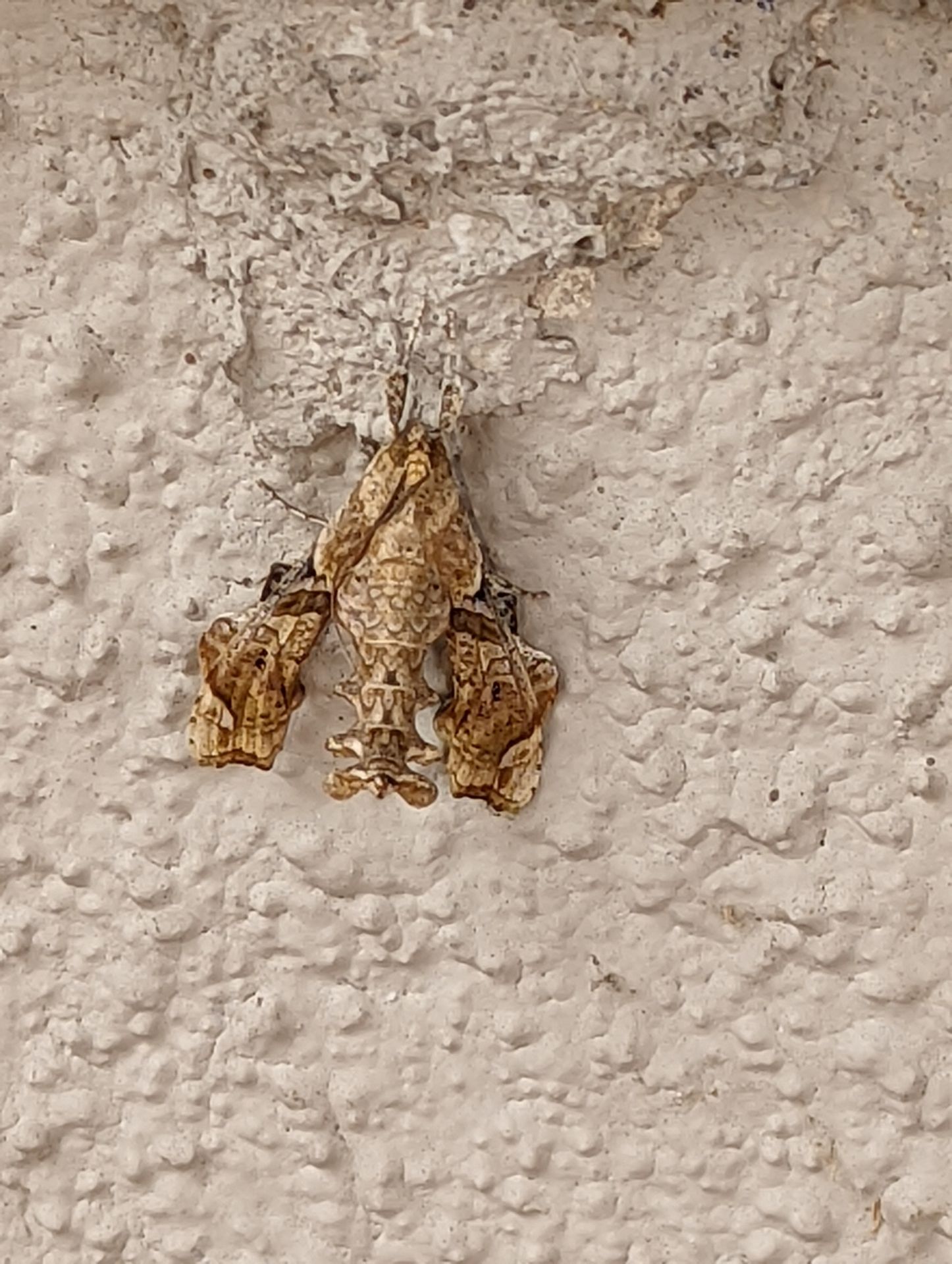
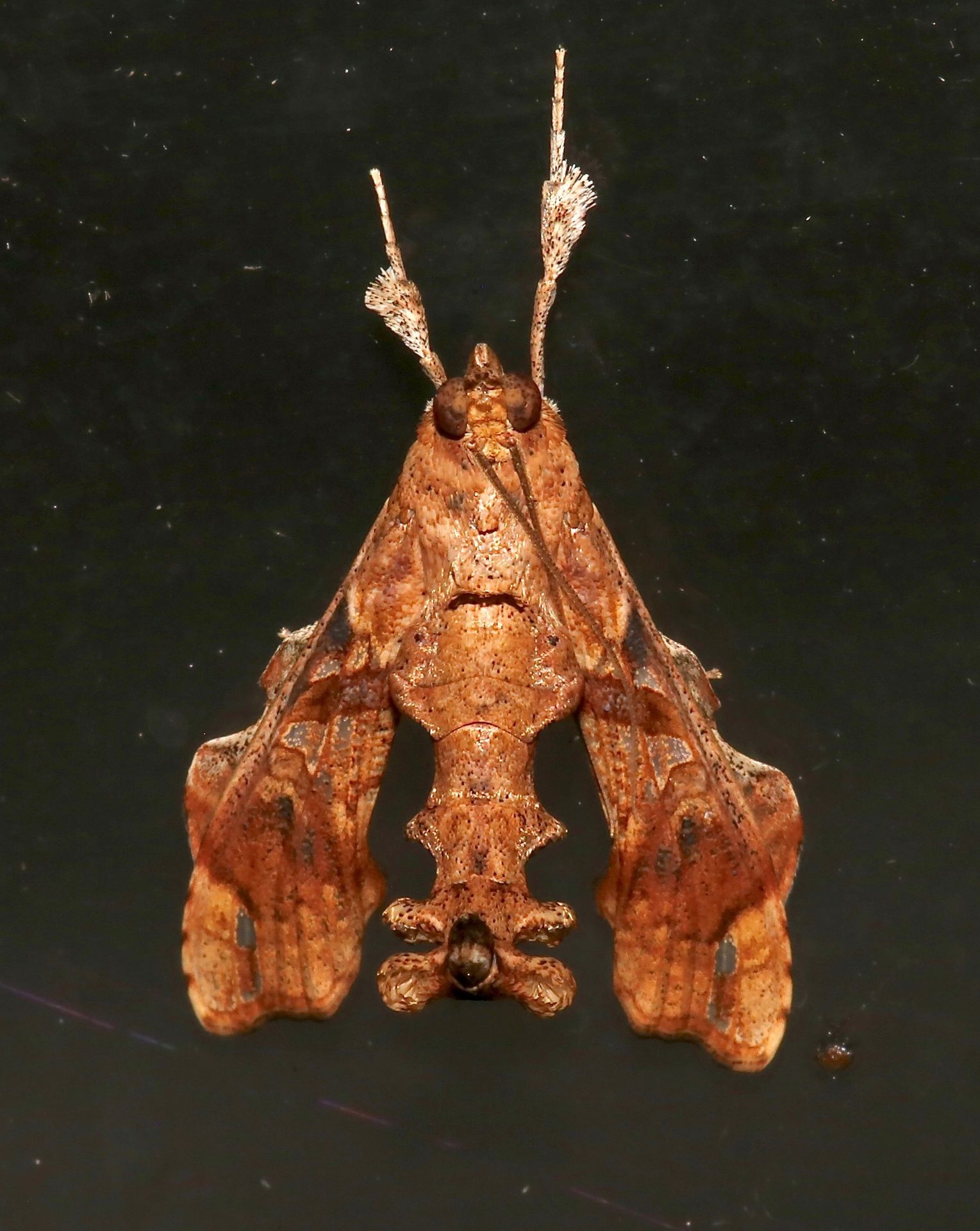
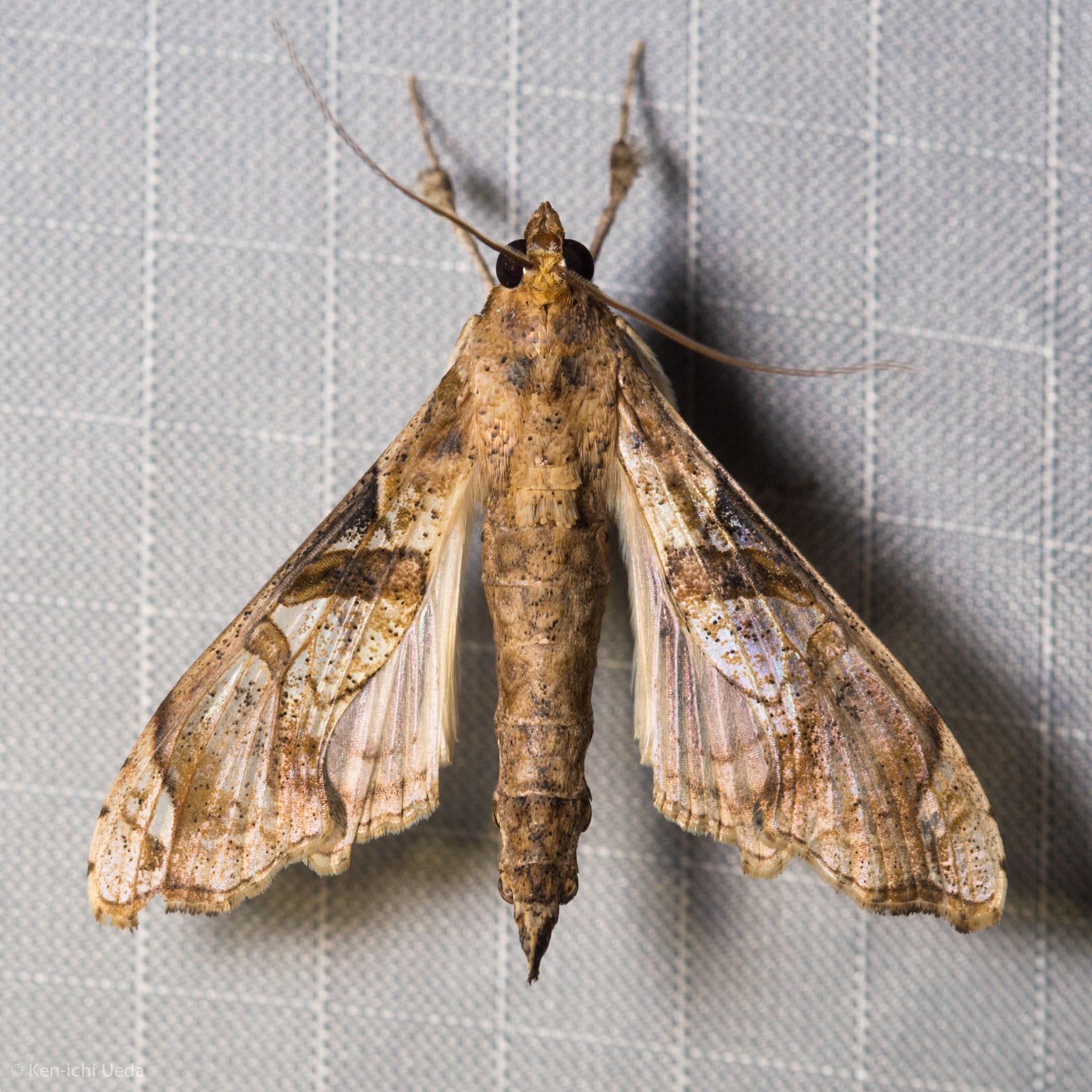
Terastia is a of snout moths (Crambidae) comprising eight distributed across tropical regions worldwide. First described by Achille Guenée in 1854 with Terastia meticulosalis as the type species, the genus is currently classified within the tribe Margaroniini. Species occur in the Neotropical, Afrotropical, and Oriental realms as well as Australasia. Caterpillars are known to feed exclusively on Erythrina species (Fabaceae), a trait shared with related genera Agathodes and Liopasia.
Pronunciation
How to pronounce Terastia: /tɛˈrastia/
These audio files are automatically generated. While they are not always 100% accurate, they are a good starting point.
Identification
Terastia can be distinguished from related Agathodes and Liopasia by genitalia and wing pattern details; specific diagnostic features vary among the eight described species. generally exhibit the typical Spilomelinae wing venation and resting posture. Accurate identification to species level typically requires examination of genitalia or .
Images
Habitat
Tropical and subtropical environments where plants of the Erythrina occur, including forest edges, open woodlands, and cultivated areas with coral trees.
Distribution
Tropical regions of the Neotropical, Afrotropical, and Oriental realms, plus Australasia. -level distributions vary: T. africana occurs in Africa, T. meticulosalis and T. diversalis in the Neotropics, T. egialealis and T. margaritis in the Oriental region and Australasia, and T. minor, T. proceralis, and T. subjectalis with broader tropical distributions.
Diet
Caterpillars feed on Erythrina (Fabaceae), commonly known as coral trees. feeding habits are not documented.
Host Associations
- Erythrina - larval food plantFabaceae; exclusive for caterpillars
Life Cycle
Complete with , larva, pupa, and stages. Larvae are specialized feeders on Erythrina. Specific details of sites and adult longevity are not documented.
Ecological Role
As herbivores on Erythrina, caterpillars may influence coral tree and serve as prey for and . The represents a component of tropical lepidopteran diversity in multiple biogeographic realms.
Human Relevance
Some Erythrina are cultivated as ornamental trees; Terastia caterpillars may occasionally be encountered as minor pests in such settings. No significant economic impact has been documented.
Similar Taxa
- AgathodesClosely related in tribe Margaroniini with similar Erythrina-feeding caterpillars; distinguished by and genitalia structure
- LiopasiaClosely related in tribe Margaroniini sharing larval association with Erythrina; differ in wing pattern and genitalia
More Details
Taxonomic history
Originally described by Guenée in 1854, the has been revised multiple times. Recent molecular phylogenetic studies place Terastia firmly within Margaroniini alongside Agathodes and Liopasia, confirming long-standing morphological hypotheses.
Species diversity
Eight are currently recognized: T. africana, T. diversalis, T. egialealis, T. margaritis, T. meticulosalis (type species), T. minor, T. proceralis, and T. subjectalis.