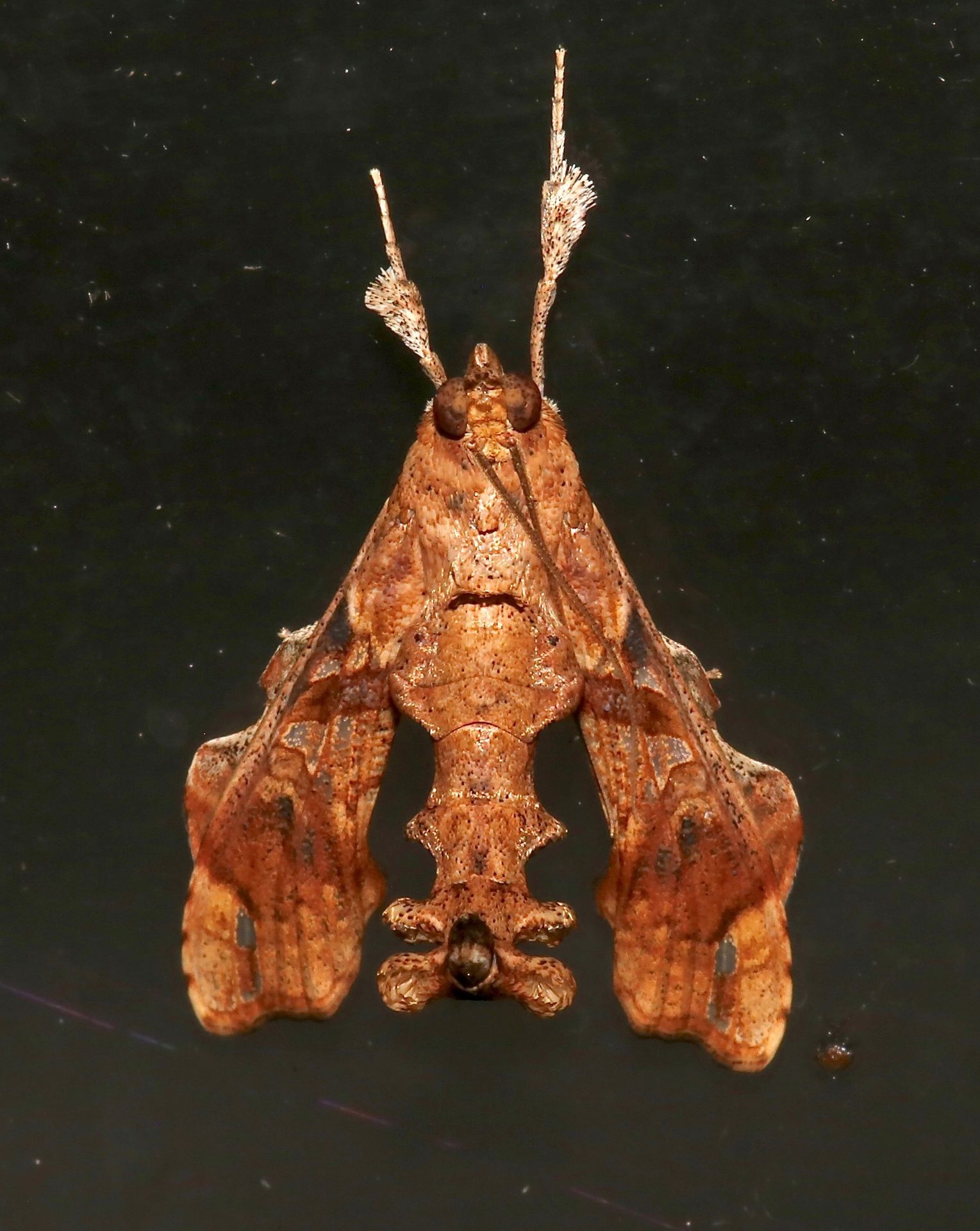
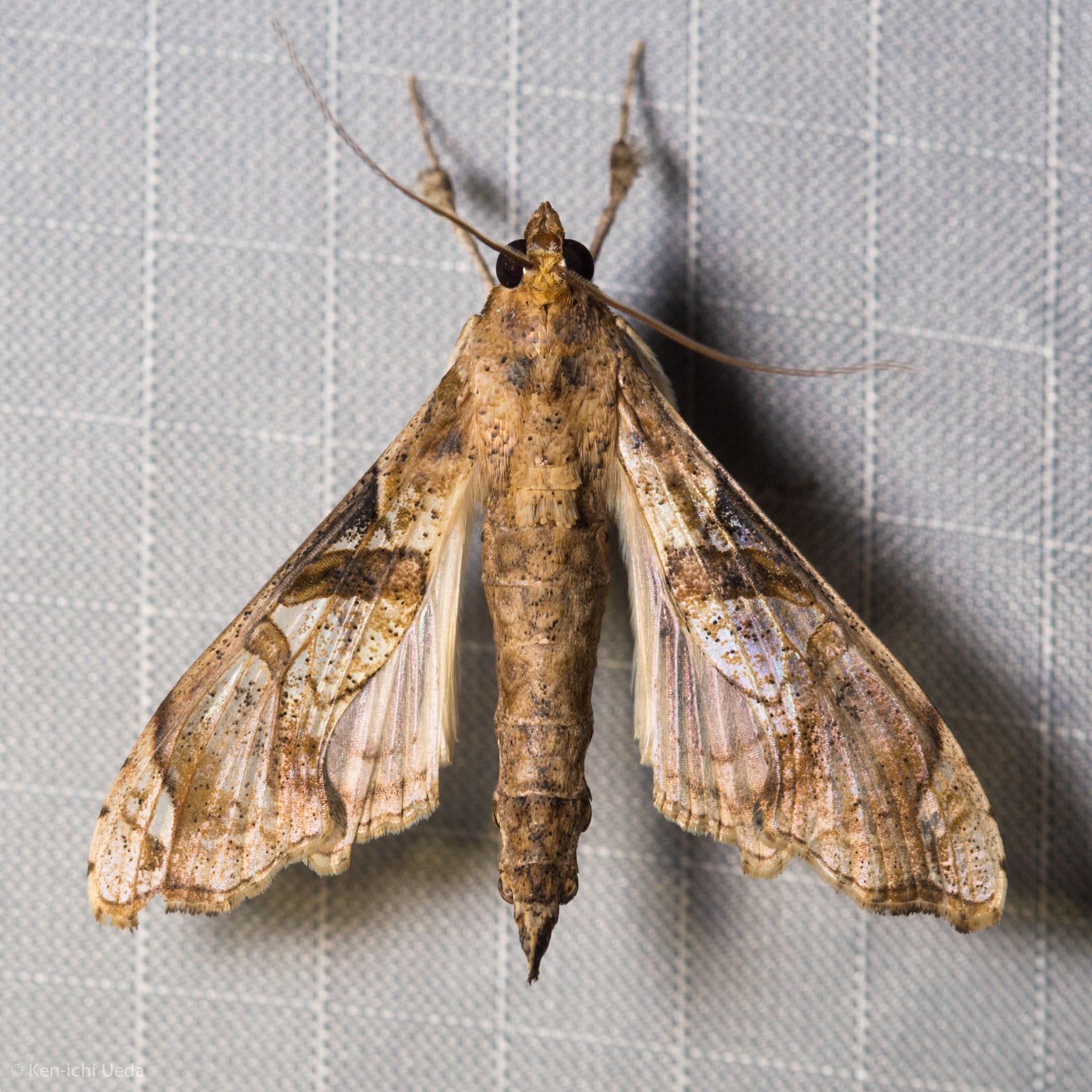
Terastia meticulosalis
Guenée, 1854
erythrina borer, erythrina twigborer
Pronunciation
How to pronounce Terastia meticulosalis: /tɛˈræstiə mɛˌtɪkjʊloʊˈsælɪs/
These audio files are automatically generated. While they are not always 100% accurate, they are a good starting point.
Identification
No distinguishing characteristics provided in available sources. Identification likely requires examination of genitalia or molecular methods.
Images
Appearance
Wingspan approximately 39 mm. Specific coloration and pattern details not documented in available sources.
Habitat
Associated with plants of the Erythrina. Specific preferences beyond host presence are not documented.
Distribution
North America: south-eastern Arizona, southern Texas, Louisiana, Florida. Caribbean: Jamaica. Pacific: Hawaii (introduced or established).
Diet
Larvae feed on Erythrina . feeding habits not documented.
Host Associations
- Erythrina - larval plant-level association; specific Erythrina not identified in sources.
Human Relevance
Potential pest of ornamental Erythrina plantings. 'twigborer' suggests larval tunneling in stems.
Similar Taxa
- Other Terastia species members share similar and Erythrina associations. Specific differentiation criteria not documented.
More Details
Taxonomic note
The was described by Guenée in 1854. GBIF records indicate presence in Hawaii, though this may represent introduction rather than native range.