
Asciodini
Mally, Hayden, Neinhuis, Jordal & Nuss, 2019
Genus Guides
6Asciodini is a tribe of within the Spilomelinae of the Crambidae. The tribe was erected in 2019 based on molecular phylogenetic analysis, replacing previous informal groupings. It contains 79 distributed across 13 , including economically significant genera such as Asciodes and Psara. The tribe is characterized by specific morphological and genetic features that distinguish it from other spilomeline tribes.

Pronunciation
How to pronounce Asciodini: /æs.kiˈoʊ.dɪ.naɪ/
These audio files are automatically generated. While they are not always 100% accurate, they are a good starting point.
Identification
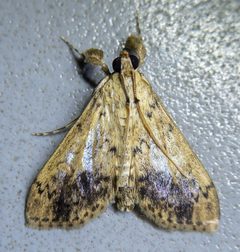
Asciodini are distinguished from other Spilomelinae tribes by molecular characters and specific morphological traits, though precise diagnostic features for the tribe as a whole require examination. The constituent show considerable morphological diversity, ranging from small to medium-sized crambid with varied wing patterns. Identification to tribe level typically requires dissection and/or molecular analysis rather than field characteristics alone.
Images
Distribution
The tribe has a predominantly Neotropical distribution, with most constituent occurring in Central and South America. Some genera, such as Psara and Laniifera, extend into North America. The genus Asciodes is primarily Caribbean in distribution. Records span from the southern United States through Mexico, Central America, and throughout South America.
Human Relevance
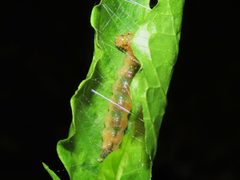
Some within Asciodini, particularly Asciodes, contain that are pests of agricultural crops. Larvae of certain species feed on plants in the Convolvulaceae, including sweet potato (Ipomoea batatas), making them economically significant in tropical and subtropical agriculture.
Similar Taxa
- SpilomeliniAnother tribe within Spilomelinae; distinguished from Asciodini by molecular phylogenetic characters and subtle morphological differences in genitalia structure
- HerpetogrammatiniSpilomeline tribe with overlapping geographic range; separated from Asciodini based on molecular data and differences in wing venation patterns
More Details
Taxonomic History
Prior to 2019, now placed in Asciodini were distributed among various informal groupings within Spilomelinae. The formal erection of Asciodini by Mally et al. (2019) was based on comprehensive molecular phylogenetic analysis of the Crambidae, which revealed this lineage as distinct from other spilomeline tribes.
Constituent Genera
The 13 currently placed in Asciodini are: Arthromastix, Asciodes, Beebea, Bicilia, Ceratocilia, Ceratoclasis, Erilusa, Laniifera, Laniipriva, Loxomorpha, Maracayia, Psara, and Sathria. Several of these were previously classified in different or tribes based on superficial morphological similarities.