
Dicymolomia
Zeller, 1872
Species Guides
5- Dicymolomia grisea(Gray Dicymolomia Moth)
- Dicymolomia julianalis(Julia's Dicymolomia Moth)
- Dicymolomia metalliferalis(Dusky-patched Dicymolomia)
- Dicymolomia metalophota
- Dicymolomia opuntialis(Peppery Dicymolomia)
Dicymolomia is a of crambid established by Zeller in 1872, containing approximately eight described . The genus is placed in Glaphyriinae. Dicymolomia julianalis has been documented as a seed on musk thistle (Carduus nutans) in Tennessee, with larvae feeding within seed and reducing seed production. The genus has been recorded from the United States, including Vermont and Tennessee.
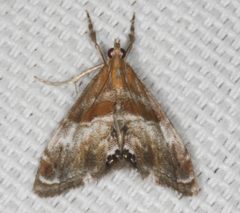
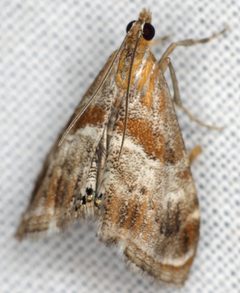
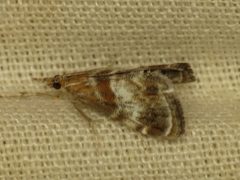
Pronunciation
How to pronounce Dicymolomia: /dɪˌsaɪmoʊˈloʊmiə/
These audio files are automatically generated. While they are not always 100% accurate, they are a good starting point.
Images
Habitat
in this have been associated with thistle . Dicymolomia julianalis has been documented in musk thistle (Carduus nutans) in Tennessee.
Distribution
United States: Vermont, Tennessee (eastern and middle regions).
Diet
Dicymolomia julianalis larvae feed on seeds of musk thistle (Carduus nutans).
Host Associations
- Carduus nutans - larval musk thistle; larvae feed on seeds within seed
Life Cycle
Dicymolomia julianalis larvae and pupae occur within seed of plants.
Behavior
Dicymolomia julianalis larvae feed internally within thistle seed . by a single larva can prevent seed release from a mature seed head.
Ecological Role
Dicymolomia julianalis acts as a seed on musk thistle, potentially reducing seed production and proliferation of this plant.
Human Relevance
Dicymolomia julianalis has been investigated for its potential role in of musk thistle, an weed.