
Calamotropha paludella
(Hübner, 1824)
Bulrush Veneer
Calamotropha paludella is a crambid with broad distribution across Europe, Africa, Asia, and Australia, and a recent accidental introduction to the eastern United States. It is commonly known as the Bulrush Veneer due to its larval association with Typha plants. The is notable for its wetland specialization and transcontinental range.
Pronunciation
How to pronounce Calamotropha paludella: //ˌkæləˈmɒtrəfə ˌpæljʊˈdɛlə//
These audio files are automatically generated. While they are not always 100% accurate, they are a good starting point.
Identification
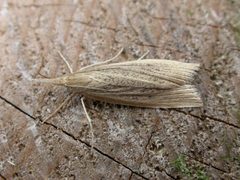
Distinguished from similar crambine by combination of size, ochreous-brown forewing coloration with dark streaking, and association with Typha . Genitalia examination may be required for definitive separation from .
Images
Appearance
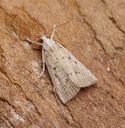
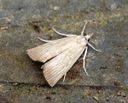
Wingspan 23–29 mm. Forewings ochreous-brown with darker longitudinal streaks; hindwings pale greyish. Overall coloration provides camouflage against dried reed and sedge vegetation.
Habitat
Wetlands, marshes, and reedbeds dominated by bulrush (Typha latifolia) and lesser bulrush (Typha angustifolia). Larvae inhabit stems and rhizomes of plants.
Distribution
Native to Europe, Africa, Australia, and large parts of Asia. Introduced and established in the eastern United States, where it has been recorded as a recent accidental arrival.
Seasonality
fly from June to August; exact timing varies by location.
Diet
Larvae feed internally on bulrush (Typha latifolia) and occasionally lesser bulrush (Typha angustifolia). feeding habits are not documented.
Host Associations
- Typha latifolia - larval food plantprimary
- Typha angustifolia - larval food plantsecondary
Behavior
Larvae are stem-borers in Typha plants. are and attracted to light.
Ecological Role
herbivore of Typha wetlands; larval boring may influence plant stem structure and nutrient cycling in marsh .
Human Relevance
No significant economic or health impact. Presence in North America represents a recent range expansion via accidental introduction, potentially affecting native wetland insect .
Similar Taxa
- Other Calamotropha speciesSimilar size and wing pattern; require genitalia examination or larval association for reliable identification
- Other Crambinae moths in wetland habitatsShared and general crambine ; C. paludella distinguished by specific Typha association and subtle wing pattern differences
More Details
Nomenclature
Originally described as Tinea paludella by Hübner in 1824; later transferred to Calamotropha.
North American Introduction
Documented as a recent accidental introduction to the eastern United States; establishment status and ecological impacts remain under study.