Sphenarches anisodactylus
(Walker, 1864)
geranium plume moth, fire-flag plume moth
Sphenarches anisodactylus is a small in the Pterophoridae with a wingspan of approximately 10 mm. It has a remarkably broad distribution spanning tropical and subtropical regions across multiple continents. The is known to feed on flower buds and flowers of diverse plant families, with larvae recorded from over a dozen plants including ornamental, agricultural, and wild species. Its reflect association with geraniums (Pelargonium) and fire-flag (Thalia geniculata).
Pronunciation
How to pronounce Sphenarches anisodactylus: //sfɛˈnɑrkiz ˌænɪsoʊˈdæktɪləs//
These audio files are automatically generated. While they are not always 100% accurate, they are a good starting point.
Identification
Distinguished from other plume moths by small size (10 mm wingspan) and specific plant associations. Accurate identification to level typically requires examination of genitalia or larval host plant records. Distinguished from Sphenarches caffer by distribution and subtle morphological differences in wing venation and genitalia, though these require examination.
Images
Appearance
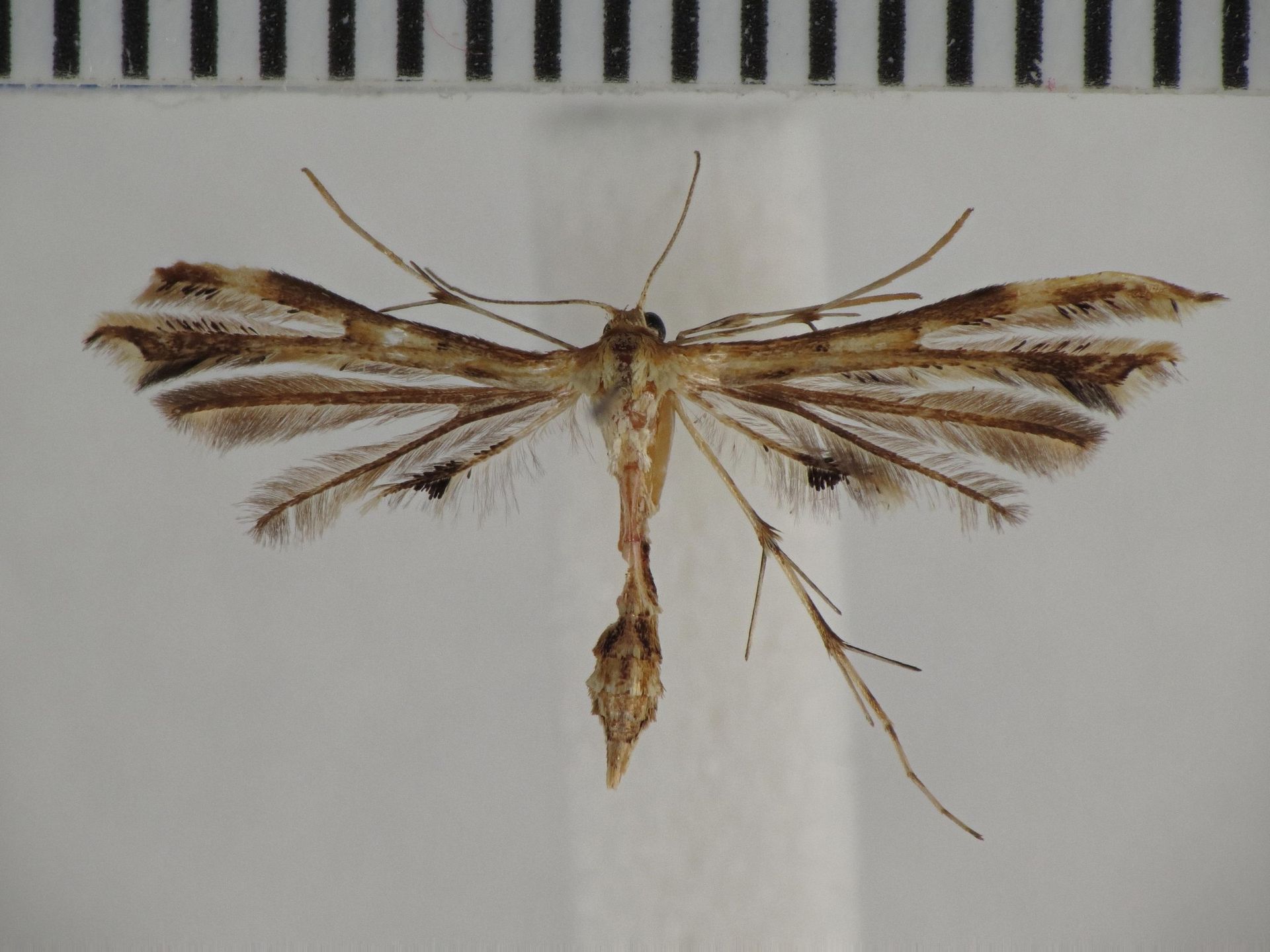
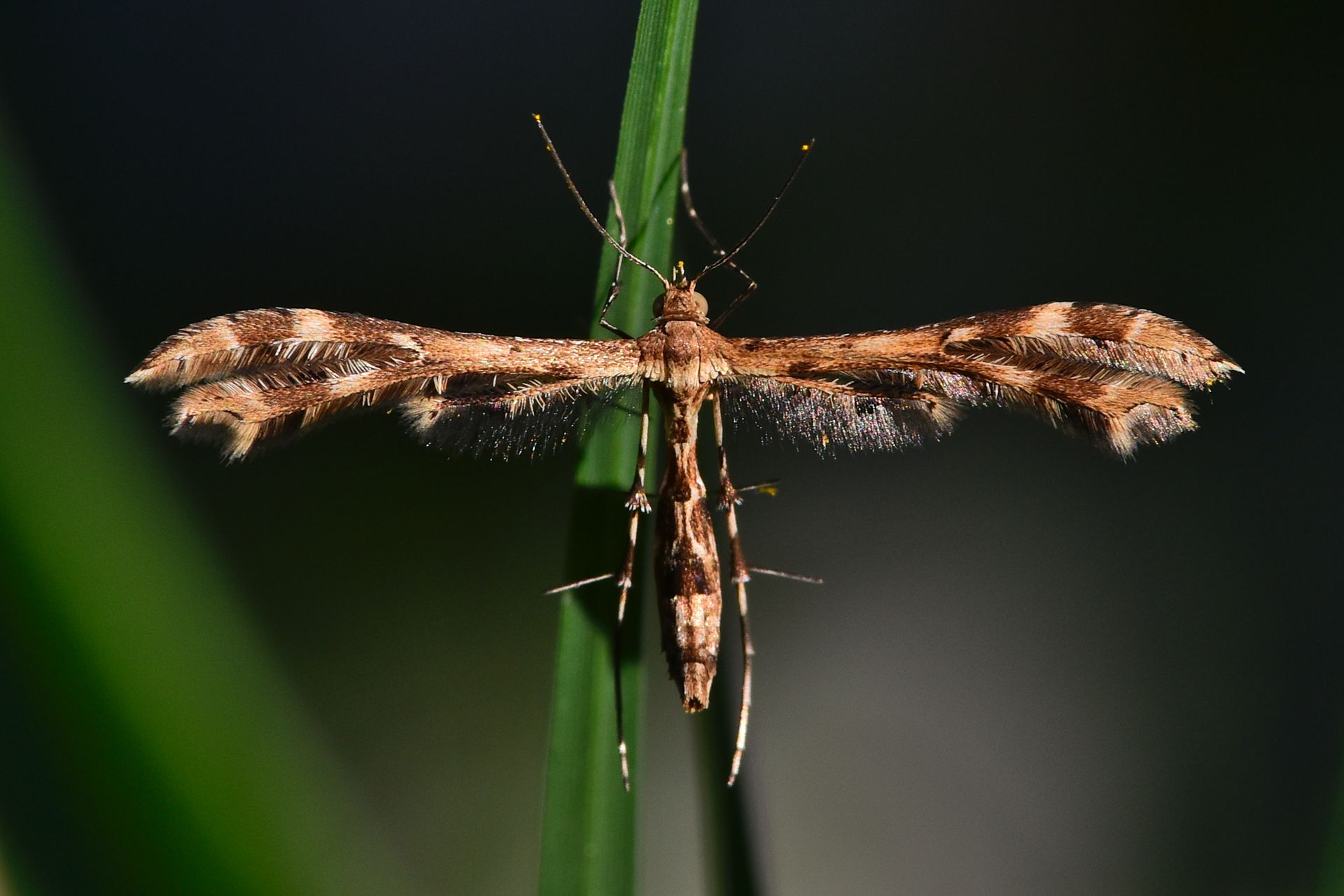
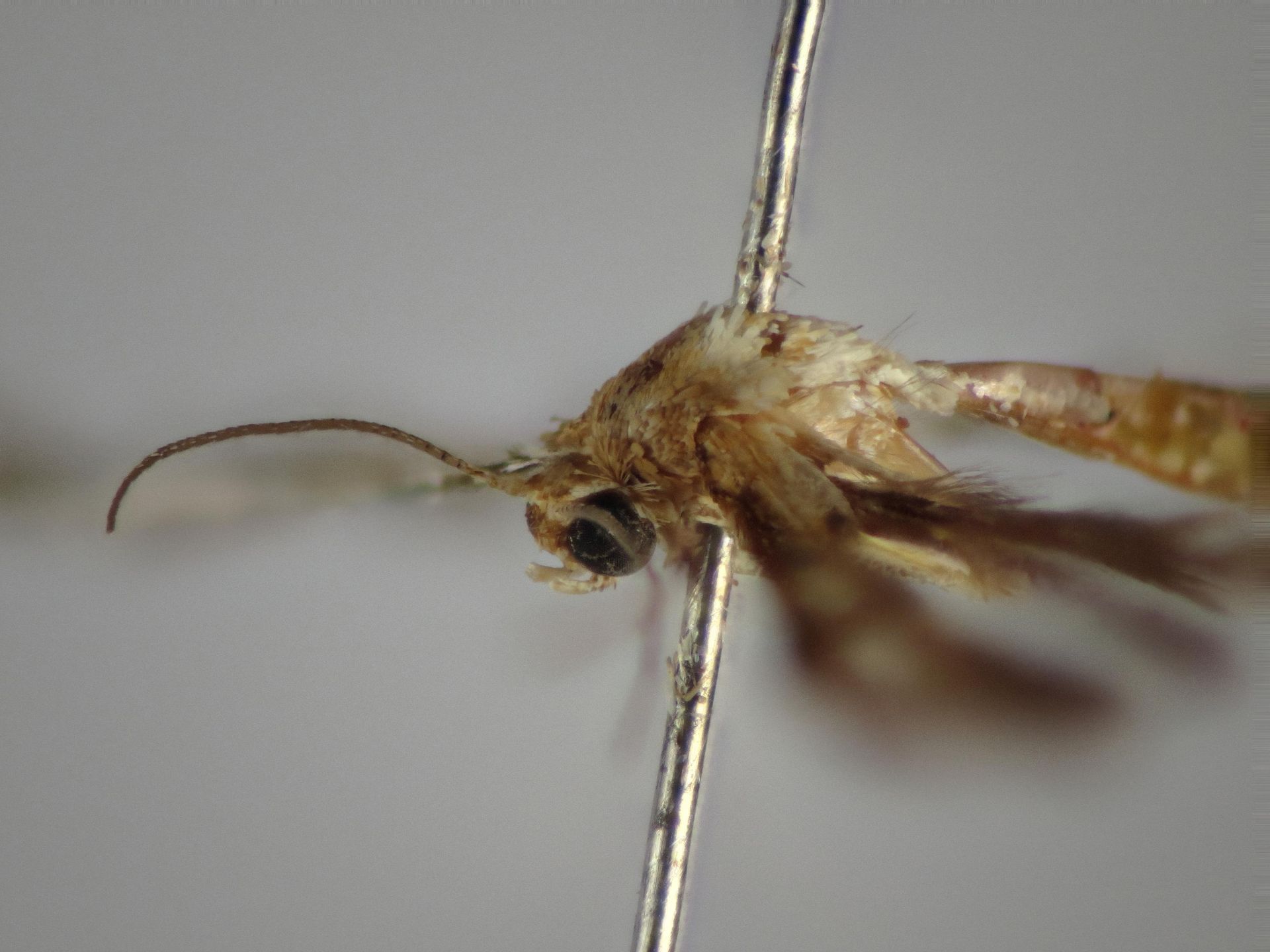
Small with wingspan approximately 10 mm. As a member of Pterophoridae, wings are characteristically divided into feather-like plumes with fringed margins. Specific coloration and pattern details not documented in available sources.
Habitat
Tropical and subtropical environments where plants occur. Associated with cultivated and wild flowering plants in gardens, agricultural settings, and natural vegetation. Specific microhabitat preferences not documented.
Distribution
Pantropical and subtropical distribution including: western Africa, Madagascar, India, Sri Lanka, Thailand, Japan, New Hebrides (Vanuatu), Central and South America, Australia (Cape York to central New South Wales), United States (Florida, Mississippi), and Kermadec Islands (New Zealand).
Diet
Larvae feed on flower buds and flowers. Documented plants include: Dolichos lablab, Lagenaria , Pelargonium species, multiple Fabaceae species, Brillantaisia lamium, Caperonia castaneifolia, Phaseolus vulgaris, Hibiscus mutabilis, Thalia geniculata, Mimosa pudica, Orchidaceae species, Averrhoa bilimbi, Passiflora foetida, Antirrhinum majus, Theobroma cacao, and camara.
Host Associations
- Dolichos lablab - larval food plantflower buds and flowers
- Lagenaria - larval food plantflower buds and flowers
- Pelargonium - larval food plantflower buds and flowers; source of 'geranium plume moth'
- Fabaceae - larval food plantflower buds and flowers
- Brillantaisia lamium - larval food plantflower buds and flowers
- Caperonia castaneifolia - larval food plantflower buds and flowers
- Phaseolus vulgaris - larval food plantflower buds and flowers
- Hibiscus mutabilis - larval food plantflower buds and flowers
- Thalia geniculata - larval food plantflower buds and flowers; source of 'fire-flag '
- Mimosa pudica - larval food plantflower buds and flowers
- Orchidaceae - larval food plantflower buds and flowers
- Averrhoa bilimbi - larval food plantflower buds and flowers
- Passiflora foetida - larval food plantflower buds and flowers
- Antirrhinum majus - larval food plantflower buds and flowers
- Theobroma cacao - larval food plantflower buds and flowers
- Lantana camara - larval food plantflower buds and flowers
Life Cycle
Complete with , larval, pupal, and stages. stages described in Florida ; specific developmental duration and not documented in available sources.
Ecological Role
Herbivore specializing on reproductive structures (flower buds and flowers) of diverse flowering plants. Role as or pest not quantified. Broad range suggests ecological flexibility across tropical and subtropical .
Human Relevance
Potential minor pest of ornamental plants (Pelargonium, Antirrhinum) and crops (Phaseolus vulgaris, Theobroma cacao, Lagenaria). Not documented as economically significant pest. Presence in cultivated settings indicates to anthropogenic environments.
Similar Taxa
- Sphenarches cafferCongeneric with overlapping distribution in Africa; distinguished by subtle genitalic and wing venation differences requiring examination
- Other Pterophoridae generaSimilar plume wing ; Sphenarches distinguished by specific wing division pattern and genitalic structure
More Details
Taxonomic note
described by Walker in 1864. Placement in tribe Oxyptilini within Pterophorinae follows recent -level revisions.
Host plant diversity
Exceptionally broad range spanning at least 11 plant , including both monocots (Orchidaceae) and eudicots, suggesting either cryptic or highly single . Molecular studies may be needed to clarify structure across range.
Sources and further reading
- BugGuide
- Wikipedia
- GBIF taxonomy match
- iNaturalist taxon
- NCBI Taxonomy
- Catalogue of Life
- An unusual but not unpleasant home invasion by a beneficial beetle: Big-headed ground beetle, Scarites subterraneus — Bug of the Week
- Life History and Immature Stages of a Plume Moth Sphenarches anisodactylus (Lepidoptera: Pterophoridae) in Florida