
Pterophoridae
plume moths
Genus Guides
3- Agdistinae(Cleftless-winged Plume Moths)
- Deuterocopinae
- Pterophorinae(plume moths)
, commonly known as plume moths, are a of Lepidoptera distinguished by their highly modified wings. The family contains approximately 1,580 described worldwide. Members are generally small and were historically grouped with 'microlepidoptera' despite belonging to the advanced clade Apoditrysia. The family's fossil record extends to the Oligocene, with a specimen from the extant Merrifieldia found in France.
Pronunciation
How to pronounce Pterophoridae: /tɛroʊˈfɔrɪdiː/
These audio files are automatically generated. While they are not always 100% accurate, they are a good starting point.
Identification
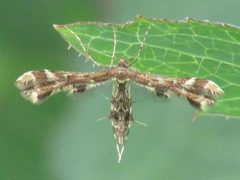
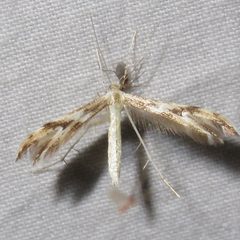
The T-shaped resting posture with wings held perpendicular to the body is diagnostic. Look for deeply notched forewings and hindwings divided into three linear, fringed parts. The sticklike or cranefly-like appearance when perched distinguishes plume moths from all other Lepidoptera. in Agdistinae and Ochyroticinae are exceptions with narrow, undivided wings resembling typical Lepidoptera. Distinguished from Alucitidae (many-plumed moths) by having fewer wing segments (2-3 vs. typically six in Alucitidae).
Images
Habitat
Diverse including grasslands, gardens, agricultural areas, and natural vegetation. Specific habitat associations vary by ; some are tied to particular plants.
Distribution
Worldwide distribution. Approximately 160 described in North America, with over 30 in California. Documented from Oman (20 species), Myanmar (19 species), Cambodia (15 species), and Mount Cameroon area (diversity hotspot with multiple new species described). Fossil evidence from Oligocene of France.
Seasonality
Most are and attracted to lights. Activity patterns vary by species and region.
Diet
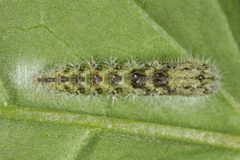
feed on nectar and pollen. Larval feeding habits vary: some are stem- or root-borers, others are leaf-browsers.
Host Associations
- Cynara cardunculus - Artichoke plume moth (Platyptilia carduidactyla)
- Pelargonium × hortorum - Geranium plume moth (Platyptilia pica)
- Antirrhinum majus - Snapdragon plume moth (Stenoptilodes antirrhina)
- Lantana camara - targetLantanophaga pusillidactyla used as biocontrol agent
- Ageratina riparia - targetOidaematophorus beneficus used as biocontrol agent
- Baccharis halimifolia - targetHellinsia balanotes used as biocontrol agent
- Marrubium vulgare - targetWheeleria spilodactylus used as biocontrol agent
Life Cycle
Complete with , larval, pupal, and stages. Larval habits include stem-boring, root-boring, and leaf-browsing depending on .
Behavior
; most are attracted to lights. Resting posture involves rolling forewings around folded hindwing plumes, creating a sticklike appearance that provides camouflage in exposed daylight situations. The purpose of the distinctive club-shaped on hindwing undersides remains unclear.
Ecological Role
Herbivores as larvae; some are significant agricultural or ornamental pests. Others serve as agents against plant species. function as when feeding on nectar and pollen.
Human Relevance
Economic impacts include damage to artichoke, geranium, and snapdragon crops. Used as agents: Lantanophaga pusillidactyla against West Indian , Oidaematophorus beneficus against mistflower, Hellinsia balanotes against groundsel bush, and Wheeleria spilodactylus against horehound. Subject of citizen science through lighting events and National Moth Week activities.
Similar Taxa
- AlucitidaeMany-plumed moths with similarly divided wings, but typically have six wing segments per wing rather than 2-3 in
- Agdistopis (genus)Previously treated as Macropiratinae within ; superficially resembles Agdistis but now recognized as more closely related to Hybaleoidea or based on recent research
More Details
Synapomorphy
Presence of two rows of club-shaped on the undersides of hindwings along m3 and cu1 is a unique derived character for the ; function unknown
Historical classification
Formerly included in 'Microlepidoptera' due to small size, though phylogenetically placed in Apoditrysia with larger and butterflies
Wing structure exceptions
Agdistinae and Ochyroticinae have narrow, undivided wings unlike typical
Sources and further reading
- BugGuide
- Wikipedia
- iNaturalist taxon
- NCBI Taxonomy
- 'Let's Go Mothing' on July 20 at Bohart Museum of Entomology | Bug Squad
- Ever Seen a Plume Moth? | Bug Squad
- Plume Moth Fit to a 'T' | Bug Squad
- Ready for Moth Night at UC Davis? | Bug Squad
- In Celebration of National Moth Week | Bug Squad
- Moths on Moth-ers Day | Bug Squad
- First data on Pterophoridae of Cambodia (Lepidoptera: Pterophoridae)
- New data on Pterophoridae of Oman. Part 2 (Lepidoptera: Pterophoridae)
- TO THE PTEROPHORIDAE FAUNA (LEPIDOPTERA, PTEROPHORIDAE) OF MYANMAR (BURMA)
- Plume moths (Lepidoptera, Pterophoridae) of a recently discovered lepidopteran diversity hotspot in the Mount Cameroon area, with descriptions of four new species.