
Pieriballia viardi
(Boisduval, 1836)
Painted White, Viardi White
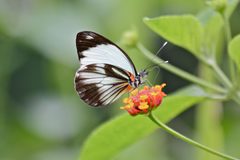
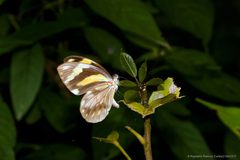
Pieriballia viardi is a medium-sized white and the sole in its . It occurs in Central and South American forests from Mexico to Bolivia and Paraguay, with occasional strays reaching southern Texas. The species inhabits rainforest and transitional cloud forest . It is distinguished from other pierids by distinctive wing markings and .
Pronunciation
How to pronounce Pieriballia viardi: //ˌpaɪɛrɪˈbæliə ˈvjɑrdi//
These audio files are automatically generated. While they are not always 100% accurate, they are a good starting point.
Identification
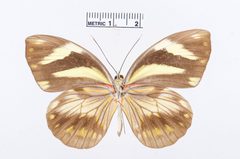
Distinguished from other white pierids (Pieris, Ascia) by dark markings on the forewing apex and discal area; pattern more elaborate than the plain or simply spotted whites. Differs from Glutophrissa by wing shape and marking details. Upper forewing has black patch with white spots; hindwing underside often shows greenish or yellowish veining.
Images
Habitat
Rainforest and transitional cloud forest; occurs in humid tropical forest environments from lowland to mid-elevation zones.
Distribution
Mexico through Central America to Bolivia and Paraguay; strays recorded in southern Texas (USA). Specific locality records include Leticia, PNN Amacayacu, San Martín, Villavicencio, and Manizales in Colombia.
Similar Taxa
- Glutophrissa drusillaSimilar white coloration and size; distinguished by Glutophrissa's more elongated forewings and reduced dark markings
- Ascia monusteLarger white pierid with simpler black forewing tips; lacks the spotted pattern of Pieriballia
- Pieris spp.Northern temperate whites with plainer wing patterns and different geographic range