
Anthocharis cethura pima
W.H. Edwards, 1888
Pima Desert Orangetip
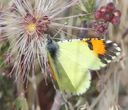
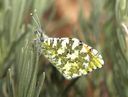
A of Desert Orangetip native to the southwestern United States and northwestern Mexico. Males exhibit , patrolling ridge tops to locate females. are active in early spring and are often difficult to photograph due to their rapid, erratic . The orange wing tips are distinctive when wings are closed or partially open.
Pronunciation
How to pronounce Anthocharis cethura pima: //ˌænθoʊˈkɛərɪs ˈsɛθjʊrə ˈpaɪmə//
These audio files are automatically generated. While they are not always 100% accurate, they are a good starting point.
Identification
Orange tips on forewings are the primary distinguishing feature; visible when wings are closed or partially spread. Similar to other Anthocharis but distinguished by geographic range and subtle wing pattern differences from the nominate A. c. cethura.
Images
Habitat
Dry-mesic upland areas, desert and semi-arid regions. Associated with ridge tops and elevated terrain where males patrol for mates.
Distribution
Southwestern United States (Arizona) and northwestern Mexico. Specifically recorded from Pima County, Arizona and adjacent regions.
Seasonality
Early spring; active during March and April.
Behavior
Males engage in , patrolling along ridges and elevated terrain to intercept females. is rapid and erratic, making individuals difficult to approach or photograph. Males may engage in aerial combat, spiraling vertically when competing for access to females.
Ecological Role
visit flowers for nectar. Likely serves as prey for various including birds and crab spiders.
Similar Taxa
- Anthocharis mideaSimilar orange-tipped forewings, but A. midea occurs in eastern North America rather than the Southwest
- Anthocharis cethura cethuraNominate with slightly different wing patterns and different geographic distribution
- Anthocharis saraRelated orangetip with similar wing pattern but different range
Sources and further reading
- BugGuide
- GBIF taxonomy match
- iNaturalist taxon
- NCBI Taxonomy
- Spring Has Sprung: Bees, Butterflies and Blossoms Grace the Dixon May Fair | Bug Squad
- Bug Eric: Spring (Butterfly) Beauties
- Bug Eric: Hilltopping
- Day hike at Little Lost Creek Conservation Area | Beetles In The Bush
- Bug Eric: Wasp Wednesday: Not What You Think
- Bug Eric: Wasp Wednesday: Not Wasp V