
Pima
Hulst, 1888
Species Guides
6- Pima albiplagiatella(White-edged Pima Moth)
- Pima albocostalis
- Pima boisduvaliella(Silver-edged Knot-horn)
- Pima fosterella(snout moth)
- Pima granitella(snout moth)
- Pima occidentalis(snout moth)
Pima is a of snout moths in the Pyralidae, Phycitinae, and tribe Phycitini. It was described by George Duryea Hulst in 1888. The genus is part of the diverse snout moth fauna, with approximately 550 observations recorded on iNaturalist. Members of this genus are found in northern Europe, with confirmed distribution records from Denmark, Norway, and Sweden.
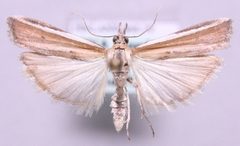
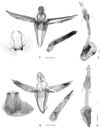
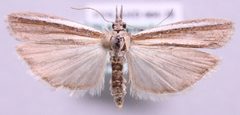
Pronunciation
How to pronounce Pima: /ˈpaɪmə/
These audio files are automatically generated. While they are not always 100% accurate, they are a good starting point.
Images
Distribution
Confirmed distribution records from Denmark, Norway, and Sweden based on GBIF data. The has not been documented from the Americas despite the shared name with Pima County, Arizona.
Misconceptions
The name 'Pima' is shared with the Pima people (Akimel O'odham) of Arizona and Sonora, as well as various geographic locations in the southwestern United States including Pima County, Arizona. This has led to potential confusion in literature searches, where references to 'Pima' in an entomological context may retrieve information about southwestern U.S. insects rather than this European snout moth genus. The genus Pima is not associated with the Sonoran Desert or southwestern North America .
More Details
Taxonomic Note
The Pima belongs to the tribe Phycitini within the Phycitinae. This placement distinguishes it from other snout moth lineages. The genus was established in the late 19th century by American entomologist George Duryea Hulst, though the themselves appear to be primarily Palearctic in distribution.
Nomenclatural Coincidence
The shared name between this European and the peoples and places of the southwestern United States is purely coincidental. Researchers should verify that sources referring to 'Pima' in entomological contexts are discussing the moth genus rather than insects collected in Pima County, Arizona, or associated with Pima Indian Reservation lands.
Sources and further reading
- BugGuide
- Wikipedia
- GBIF taxonomy match
- iNaturalist taxon
- NCBI Taxonomy
- Catalogue of Life
- Redshanked Grasshopper
- Bug Eric: Wasp Wednesday: Not What You Think
- Bug Eric: Wasp Wednesday: Not Wasp V
- Bug Eric: April 2010
- Bug Eric: December 2011
- taxonomy | Beetles In The Bush | Page 5
- Historic Pima Habitats
- Modern Gila Pima Habitats