
Polygonia gracilis zephyrus
(W.H. Edwards, 1870)
Zephyr Comma
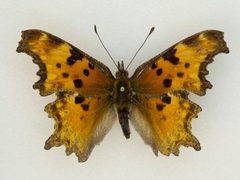
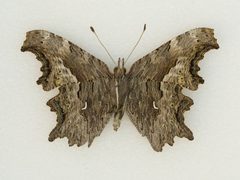
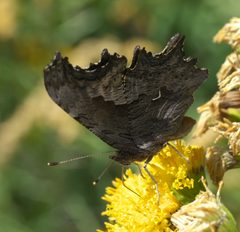
A of comma in the Nymphalidae, found in the western interior of North America. display the characteristic ragged wing margins and comma-shaped silver marking on the hindwing underside shared with other Polygonia . The subspecies is distinguished from other P. gracilis by geographic range and subtle phenotypic differences.
Pronunciation
How to pronounce Polygonia gracilis zephyrus: /pɔlɪˈɡoʊniə ˈɡræsɪlɪs ˈzɛfɪrəs/
These audio files are automatically generated. While they are not always 100% accurate, they are a good starting point.
Identification
Distinguished from the nominate P. g. gracilis (Hoary Comma) by range: zephyrus occurs in the prairie provinces and northern Great Plains, while gracilis is found in western mountain regions. Separated from other Polygonia by the combination of orange-brown wing coloration with dark spotting and the presence of a comma-shaped silver mark on the hindwing underside. Similar to P. comma (Eastern Comma) and P. interrogationis (Question Mark), but those species have more pronounced notched wing margins and different geographic distributions.
Images
Distribution
Canadian prairie provinces (Alberta, Manitoba, Saskatchewan) and adjacent northern Great Plains region of the United States. Records indicate presence in North America with confirmed occurrences in the prairie provinces of Canada.
Similar Taxa
- Polygonia gracilis gracilisOverlapping but different ; distinguished by geographic range with gracilis occurring in western mountain regions versus zephyrus in prairie provinces and northern Great Plains.
- Polygonia commaSimilar comma marking on hindwing underside, but P. comma has more pronounced notched wing margins and occurs in eastern North America.
- Polygonia interrogationisShares ragged wing margins and comma marking, but has more distinctively notched wings and a different geographic range.
Sources and further reading
- BugGuide
- GBIF taxonomy match
- iNaturalist taxon
- 'Battus philenor! Battus philenor!' | Bug Squad
- Grasshopper Collections and Survey
- Bichos Argentinos #2 – Pseudomyrmex sp. | Beetles In The Bush
- Traffic Jam Treehoppers | Beetles In The Bush
- Why two prehistoric sharks found in Ohio got new names
- Bug Eric: City Nature Challenge 2023 Recap