
Anthanassa frisia
(Poey, 1833)
Cuban Crescent, Cuban Crescentspot, Cuban Checkerspot
A small to medium-sized checkerspot in the Nymphalidae, with a complex structure spanning the Caribbean, southern Florida, and the Neotropics. The nominate subspecies occurs in the West Indies and Florida, while subspecies tulcis (sometimes treated as a separate ) ranges from Argentina to the southwestern United States. fly year-round in tropical regions and have distinct seasonal activity patterns in temperate areas. Larvae feed on specific Acanthaceae plants.


Pronunciation
How to pronounce Anthanassa frisia: //ænˈθæn.ə.sə ˈfrɪ.si.ə//
These audio files are automatically generated. While they are not always 100% accurate, they are a good starting point.
Identification
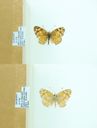
Distinguished from other Anthanassa by combination of geographic range and wing pattern details. In Florida, separated from Phyciodes and other crescents by smaller size and specific checkering pattern. tulcis in Texas/Arizona distinguished from similar Texola and Phyciodes species by paler bands and reduced dark markings. Genitalia examination may be required for definitive identification in areas of potential overlap.
Images
Habitat
Subtropical and tropical open including disturbed areas, edges, and gardens. In Florida, found in hardwood hammocks, pine rocklands, and coastal areas. tulcis occupies thorn scrub, desert washes, and open woodlands in Texas and Arizona.
Distribution
West Indies, southern Florida (nominate , with strays to northern Florida). Subspecies tulcis: Argentina north through Central America and Mexico to southern Texas, with strays to west Texas and southern Arizona. Additional subspecies in Brazil, Paraguay, Ecuador, Peru, Venezuela, and Colombia.
Seasonality
Nominate : most of the year in southern Florida, year-round in tropics. Subspecies tulcis: May to November in southern Texas.
Diet
Larvae feed on Beloperone guttata (nominate ), Dicliptera (subspecies tulcis), and Ruellia species (both). feed on flower nectar.
Host Associations
- Beloperone guttata - larval plantNominate
- Dicliptera - larval plant tulcis
- Ruellia - larval plantBoth
Life Cycle
Complete . Multiple per year in tropical and subtropical portions of range.
Behavior
fly low and perch frequently. Visits flowers for nectar. Likely territorial typical of the tribe, though specific observations not documented in sources.
Ecological Role
as . Larval herbivore on Acanthaceae. Part of local as prey for birds, spiders, and other .
Human Relevance
Occasional garden visitor in southern Florida and Texas. tulcis of interest to watchers in the southwestern United States. No significant economic impact.
Similar Taxa
- Phyciodes phaonSimilar size and checkered pattern in Florida; distinguished by more rounded wing margins and different checkering details
- Texola eladaOverlaps with tulcis in Texas; Elada Checkerspot has more extensive black markings and different season
- Anthanassa tulcis (if treated as species)Taxonomic debate; some authors treat as separate based on geographic isolation and consistent phenotypic differences
Misconceptions
tulcis has been treated as a full by some authors, leading to taxonomic confusion. The complex is sometimes misidentified as Phyciodes due to similar and appearance.
More Details
Taxonomic Complexity
Five recognized with disjunct distributions. Subspecies tulcis shows consistent morphological and geographic differentiation, prompting some authorities to elevate it to rank.
Dispersal Patterns
Regular straying of nominate to northern Florida and of tulcis to west Texas and southern Arizona indicates significant capability despite primarily resident .