
Dione juno huascuma
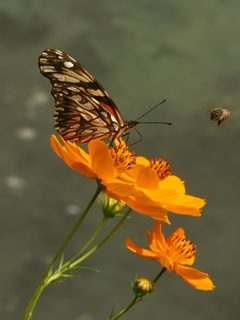
Dione juno huascuma is a of in the Nymphalidae. It belongs to a closely related to the more widely known Agraulis (Gulf Fritillary). The Dione juno occurs from the southwestern United States through Mexico and Central America to South America. This subspecies represents a distinct geographic within that broader range. and larvae are associated with passion vines (Passiflora spp.) as plants.
Pronunciation
How to pronounce Dione juno huascuma: /ˈdaɪ.əʊni ˈdʒuː.noʊ ˈhwɑː.skjuː.mə/
These audio files are automatically generated. While they are not always 100% accurate, they are a good starting point.
Identification
Distinguished from the similar Dione moneta (Mexican Silverspot) and Dione gulfria by wing pattern details, particularly the size, number, and arrangement of silvery spots on the underside. The related Gulf Fritillary (Agraulis vanillae) has more elongated forewings and different spot pattern. The Dione is separated from Agraulis based on genitalic characters and subtle wing pattern differences not easily visible in field observations.
Images
Habitat
Associated with supporting passion vine plants, including tropical and subtropical woodlands, forest edges, and disturbed areas where Passiflora grow. Occurs from lowlands to mid-elevations.
Distribution
The Dione juno huascuma occurs in Mexico and Central America. The Dione juno ranges from the southwestern United States (Arizona, New Mexico, Texas) south through Mexico, Central America, and into South America. Records suggest this subspecies represents in the Mexican and Central American portion of the range.
Seasonality
have been observed year-round in tropical portions of the range. In more temperate areas at the northern range edge, activity peaks during warmer months with multiple possible where conditions permit.
Diet
Larvae feed exclusively on passion vines (Passiflora spp.). nectar at flowers.
Host Associations
- Passiflora - larval plant of passion vines; specific used by this not documented in available sources
Life Cycle
Complete with , larva, pupa, and stages. Larvae are spiny and feed on passion vine foliage. occurs on or near the plant. Multiple per year in favorable climates.
Behavior
are strong fliers. They have been observed nectaring at flowers and visiting blossoms in groups where resources are concentrated.
Ecological Role
Larvae function as herbivores on passion vines. serve as when nectaring. The bright coloration of adults suggests aposematic or Müllerian mimicry associations with other unpalatable butterflies.
Human Relevance
Occasional visitor to gardens where passion vines are cultivated. Not considered economically significant. Interest to enthusiasts and collectors due to attractive appearance.
Similar Taxa
- Dione monetaMexican Silverspot; extremely similar in appearance, distinguished by subtle differences in wing shape and spot pattern on underside; ranges overlap in Mexico
- Agraulis vanillaeGulf Fritillary; similar orange-brown coloration and silvery spots, but forewings more elongated and separated by genitalic characters
- Euptoieta claudiaVariegated Fritillary; similar size and orange-brown coloration, but lacks prominent silvery spots on underside and has more checkered wing pattern
More Details
Taxonomic note
The Dione is closely related to Agraulis and has been subject to taxonomic revision. Some sources have treated these as congeneric. The subspecific status of huascuma indicates geographic variation within the widespread Dione juno.
Host plant chemistry
Passion vines produce cyanogenic glycosides and alkaloids that are sequestered by larvae, rendering them unpalatable to . This chemical defense is shared with other passion vine-feeding butterflies including heliconiines.
Sources and further reading
- BugGuide
- iNaturalist taxon
- NCBI Taxonomy
- A 'Firecracker of a Surprise' in Davis: Who Knew? | Bug Squad
- A Close Call | Bug Squad
- Mary Louise Flint's Article in The Acorn: 'Butterflies in Decline' | Bug Squad
- What do insects do in winter? Migrants in the DMV: Common Buckeye, Junonia coenia, Variegated Fritillary, Euptoieta Claudia, Painted Lady, Vanessa cardui, Large Milkweed bug, Oncopeltus fasciatus — Bug of the Week
- Bug Eric: Breaking: Mexican Silverspot Butterfly Sighted in Colorado
- 🪲 Entomologizing w/ the WGNSS Entomology Group at Hughes Mountain Natural Area — 11 Oct 2025 | Beetles In The Bush