
Mestra
Hübner, 1825
Arizona Sister, Curve-winged Metalmark
Species Guides
1- Mestra amymone(Common Mestra)
Mestra is a of butterflies in the Nymphalidae, Biblidinae, established by Jacob Hübner in 1825. The genus contains several distributed primarily in the Americas, with the most well-known being Mestra amymone, commonly called the Arizona Sister or Curve-winged Metalmark. These butterflies are medium-sized with distinctive wing patterns and are associated with specific plants in their larval stages. The genus name derives from Greek mythology, referencing Mestra, daughter of Erysichthon, who possessed the ability to change her shape at will.
Pronunciation
How to pronounce Mestra: /ˈmɛs.trə/
These audio files are automatically generated. While they are not always 100% accurate, they are a good starting point.
Identification
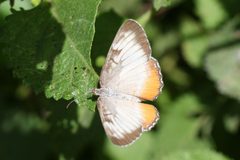
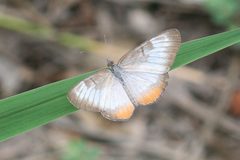
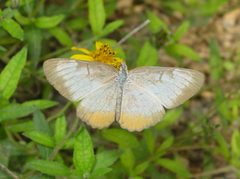
in the Mestra can be distinguished from related genera in the Biblidinae by wing pattern and . Mestra amymone, the most commonly encountered species, features dark brown to blackish wings with orange or reddish-orange patches and white spots on the forewings. The hindwings typically display a blue iridescent sheen near the body. The wing margins are somewhat angular or notched, contributing to the 'curve-winged' . The genus is most similar to Adelpha (sisters) and other Biblidinae genera, but differs in specific wing pattern elements and geographic distribution. Accurate species-level identification within Mestra requires examination of genitalia or detailed wing pattern analysis.
Images
Habitat
include riparian corridors, canyon bottoms, and oak-juniper woodlands in arid and semi-arid regions. Mestra are typically found in areas where their plants grow, often near streams or seasonal water sources in otherwise dry environments. Elevational range extends from lowland desert margins to middle elevations in mountainous terrain.
Distribution
The Mestra is distributed from the southwestern United States (Arizona, New Mexico, Texas) south through Mexico and Central America to South America. The most widespread , Mestra amymone, occurs primarily in the southwestern United States and Mexico. Other species have more restricted ranges in Central and South America.
Seasonality
are most active during warmer months, with peak periods varying by latitude and elevation. In the southwestern United States, activity typically occurs from late spring through early fall, with multiple possible in favorable conditions. Seasonal timing corresponds with plant availability and favorable temperature conditions.
Diet
Larvae feed on plants in the Acanthaceae, particularly in the Justicia. Specific documented plants include Justicia californica and related species. feed on flower nectar, rotting fruit, and other sugary substances.
Host Associations
- Justicia californica - larval chuparosa, documented for Mestra amymone
- Justicia - larval -level association for the genus
Life Cycle
Complete with , larva, pupa, and stages. Larvae are solitary feeders on plant foliage. occurs on or near the host plant. Multiple per year are likely in warmer portions of the range, with reduced number at higher elevations or latitudes.
Behavior
are known to perch on tree trunks and branches with wings closed, displaying cryptic underside patterns. They are rapid, agile fliers that frequently return to favored perches. Males establish and defend territories in suitable patches. Adults sometimes feed on damp soil or other substrates for minerals.
Ecological Role
As larvae, they function as primary consumers, feeding on Acanthaceae vegetation. As , they contribute to pollination through nectar feeding and serve as prey for insectivorous birds, spiders, and other . Their specific ecological impacts have not been quantitatively studied.
Human Relevance
Mestra amymone is sought after by watchers and photographers in the southwestern United States. The has no significant agricultural or economic impact. It contributes to regional biodiversity and serves as an indicator of healthy riparian and woodland in arid regions.
Similar Taxa
- AdelphaAlso called 'sisters,' these Biblidinae butterflies share similar and overall appearance. Adelpha typically show more extensive orange or white markings and different wing margin patterns. Adelpha is more diverse and widespread, with many species in similar .
- MysceliaAnother Biblidinae with dark wings and blue or purple iridescence. Myscelia tend to have more rounded wing margins and different pattern arrangements, lacking the distinct orange patches of Mestra.
- BiblisRelated in the same tribe, but Biblis hyperia has more uniform dark coloration with red or pinkish markings rather than orange patches, and a different wing shape.
More Details
Etymology
The name honors Mestra from Greek mythology, daughter of Erysichthon, who received from Poseidon the ability to change her shape at will. This mythological reference was characteristic of Hübner's nomenclatural style.
Taxonomic History
The has undergone various taxonomic treatments, with some authors historically placing now in Mestra within related genera. Modern molecular and morphological studies support its current circumscription within the Biblidinae.