
Systasea pulverulenta
(Felder, 1869)
Texas Powdered Skipper
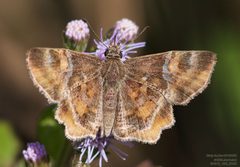
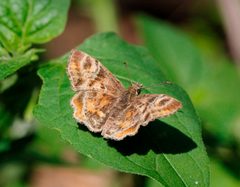
Systasea pulverulenta, commonly known as the Texas Powdered Skipper, is a small in the Hesperiidae. It ranges from southern and western Texas through Mexico to Guatemala. are active year-round in southern Texas, with recorded from February through December. The is associated with Malvaceae plants for larval development.

Pronunciation
How to pronounce Systasea pulverulenta: /sɪsˈtæsiə ˌpʌlvəˈruːləntə/
These audio files are automatically generated. While they are not always 100% accurate, they are a good starting point.
Identification
Small size (24–35 mm wingspan) and powdery wing texture are key field marks. Distinguished from Systasea zampa (Arizona Powdered-Skipper) by geographic pattern and subtle wing characteristics; precise separation may require examination of hindwing underside pattern and locality. The powdery appearance separates it from most other small skippers in its range. Fatal Metalmark (Calephelis nemesis) bears superficial resemblance but has different wing shape and pattern.
Images
Appearance
Small skipper with wingspan of 24–35 mm. Upper wing surface appears powdery or dusty, contributing to the . Wing pattern details are not well documented in available sources.
Habitat
Associated with open, dry in subtropical and tropical regions. Found in areas supporting Malvaceae plants. Specific microhabitat preferences are not well documented.
Distribution
North America from southern and western Texas, south through Mexico to Guatemala in Central America. Core range extends through Mexican lowlands.
Seasonality
on wing February through December in southern Texas, indicating year-round activity in favorable conditions. Peak activity patterns within this extended season are not documented.
Diet
Larvae feed on various Malvaceae . feed on flower nectar.
Host Associations
- Malvaceae - larval foodplantvarious within
Life Cycle
Complete with , larva, pupa, and stages. Larval development occurs on Malvaceae plants. Detailed including number of per year and stage are not documented.
Behavior
visit flowers for nectar. typical of skippers: rapid, darting movements with quick wingbeats. Territorial or mating behaviors are not documented.
Ecological Role
serve as when feeding on nectar. Larvae function as herbivores on Malvaceae. Specific ecological relationships beyond these general roles are not documented.
Human Relevance
Subject of interest for enthusiasts and collectors. Not known to be of agricultural or economic significance. Observed in gardens and natural areas within its range.
Similar Taxa
- Systasea zampaArizona Powdered-Skipper; similar powdery appearance and small size. Overlapping range in parts of Texas and Mexico. Requires careful examination for separation.
- Calephelis nemesisFatal Metalmark; superficial resemblance in size and general appearance, but different (Riodinidae) with distinct wing shape and pattern.
More Details
Taxonomic note
Originally described as Leucochitonea pulverulenta by Felder in 1869, later transferred to Systasea.
Observation frequency
iNaturalist records indicate moderate observation frequency with over 1,400 documented sightings, suggesting it is not rare within its core range despite limited detailed study.