
Heliopetes
Billberg, 1820
White-Skippers
Species Guides
5- Heliopetes alana(Alana White-Skipper)
- Heliopetes elonmuski(SpaceX White-Skipper)
- Heliopetes ericetorum(Northern White-Skipper)
- Heliopetes laviana(Laviana White-Skipper)
- Heliopetes macaira(Turk's-cap White-Skipper)
Heliopetes is a of spread-winged in the Hesperiidae, distributed primarily in the Neotropical region. Members are commonly known as White-Skippers. The genus was established by Billberg in 1820 and is classified within the Pyrginae.
Pronunciation
How to pronounce Heliopetes: //ˌhiːliˈɒpɪtiːz//
These audio files are automatically generated. While they are not always 100% accurate, they are a good starting point.
Identification
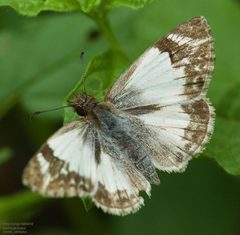
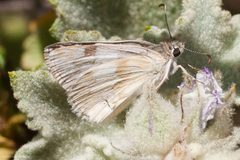
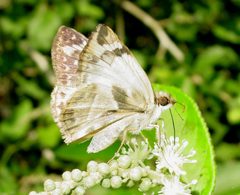
Heliopetes are distinguished from other spread-winged skippers by their characteristic white or pale coloration on the wings, which gives rise to their . They typically rest with wings partially open rather than fully folded vertically. Specific species-level identification requires examination of wing pattern details, including the arrangement of dark markings on white or pale yellowish backgrounds.
Images
Habitat
Occurs in open, sunny environments including grasslands, savannas, forest edges, and disturbed areas throughout the Neotropics. Many favor dry or seasonally dry .
Distribution
Neotropical region, ranging from the southern United States through Mexico, Central America, and South America.
Diet
feed on nectar from flowers. Larval plants are recorded in the Malvaceae, including such as Sida and Malva.
Host Associations
- Sida - larval plantMalvaceae
- Malva - larval plantMalvaceae
Life Cycle
Complete with , larva, pupa, and stages. Larvae construct shelters by folding leaves and binding them with silk.
Behavior
are rapid, darting fliers characteristic of skippers. They frequently perch on low vegetation with wings held in a characteristic spread-winged posture.
Ecological Role
serve as . Larvae function as herbivores on Malvaceae plants.
Similar Taxa
- PyrgusSimilar spread-winged resting posture, but Pyrgus typically exhibit checkered or more heavily patterned wings in darker colors, lacking the predominantly white ground color of Heliopetes.
- HylephilaBoth are spread-winged skippers, but Hylephila are generally smaller with more subdued coloration and different wing patterns.
More Details
Systematic position
Heliopetes is placed in the Pyrginae, tribe Pyrgini, reflecting its relationship to other spread-winged skippers.
Etymology
The name derives from Greek roots related to sun (helios) and seeker/wanderer (petes), possibly alluding to the butterflies' affinity for open, sunny .