
Gluphisia septentrionis
Walker, 1855
Common Gluphisia Moth
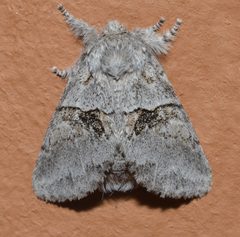
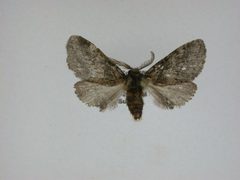
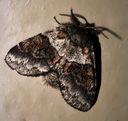
Gluphisia septentrionis is a of prominent in the Notodontidae, commonly known as the Common Gluphisia Moth. It is a North American species with a broad distribution across northern and central regions of the continent. The species is frequently attracted to ultraviolet light sources, making it a common subject of observation during moth-watching events. It is one of the more frequently observed members of its , with substantial occurrence records in citizen science databases.
Pronunciation
How to pronounce Gluphisia septentrionis: //ɡluˈfɪsiə sɛpˌtɛntriˈoʊnɪs//
These audio files are automatically generated. While they are not always 100% accurate, they are a good starting point.
Identification
Members of the Gluphisia can be recognized as prominent moths by their characteristic resting posture with the raised and the wings held tent-like over the body. Within the genus, G. septentrionis may be distinguished from related by geographic range and subtle pattern differences on the forewings, though precise identification often requires examination of genitalia or reference to regional faunal guides.
Images
Distribution
North America, with confirmed records from Canada (Alberta, Manitoba, Saskatchewan) and the United States (Vermont).
Behavior
are and have been observed to be attracted to blacklights and other ultraviolet light sources.
Human Relevance
Frequently documented by citizen scientists during -watching events such as National Moth Week due to its attraction to artificial light sources.
Similar Taxa
- Gluphisia crenataOverlapping range; distinguished by wing pattern details and genitalia
- Other NotodontidaeSimilar prominent resting posture; distinguished by -specific wing patterns and body shape