
Syngrapha diasema
(Boisduval, 1829)
Dwarf Birch Looper
Syngrapha diasema is a noctuid distributed across Arctic and subarctic regions of Eurasia and North America. First described by Boisduval in 1829, it is commonly known as the Dwarf Birch Looper. The has a wingspan of 30–33 mm and completes one per year.
Pronunciation
How to pronounce Syngrapha diasema: /sɪnˈɡræfə daɪəˈsiːmə/
These audio files are automatically generated. While they are not always 100% accurate, they are a good starting point.
Identification
Distinguished from other Syngrapha by combination of Arctic/subarctic distribution, specific forewing pattern elements, and association with dwarf birch and other characteristic plants. External genitalia examination may be required for definitive identification from closely related species.
Images
Appearance
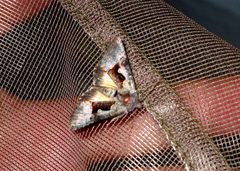
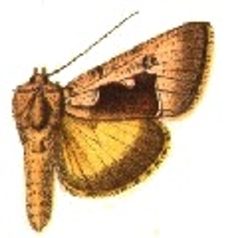
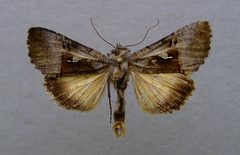
Medium-sized noctuid with wingspan 30–33 mm. Forewing pattern and coloration typical of the Syngrapha, with characteristic looper moth wing shape.
Habitat
Arctic and subarctic tundra and taiga . Associated with vegetation containing Betula nana (dwarf birch) and other characteristic northern shrubs.
Distribution
Holarctic distribution: northern Fennoscandia through Siberia; in North America from Labrador across the Canadian Arctic to central Alaska.
Seasonality
active in July; exact timing varies by location. with one per year.
Diet
Larvae feed on leaves of Betula (including B. nana), Vaccinium species, Populus species, and Trollius europaeus.
Host Associations
- Betula nana - larval food plantdwarf birch; gives rise to
- Betula - larval food plantbirch
- Vaccinium - larval food plantblueberries, cranberries, and relatives
- Populus - larval food plantpoplars and aspens
- Trollius europaeus - larval food plantglobeflower
Life Cycle
. One per year with emerging in July. Larval development occurs on plants; and stage not explicitly documented in available sources.
Ecological Role
Herbivore in Arctic and subarctic . Larval feeding contributes to nutrient cycling in tundra and taiga plant .
Human Relevance
No significant documented economic or cultural importance. Occasionally encountered in ecological research in Arctic regions.
Similar Taxa
- Other Syngrapha speciesSimilar forewing patterns and looper ; may require genitalia dissection or molecular methods for definitive separation
- Other Plusiinae loopersShared characteristics including reduced forelegs and looping larval locomotion; distinguished by distribution and plant associations