
Lithophane lemmeri
Barnes & Benjamin, 1929
Lemmer's Pinion, Lemmer's noctuid moth
Lithophane lemmeri is a noctuid native to eastern North America, first described in 1929. It is listed as a of special concern in Connecticut, reflecting its limited distribution and potential vulnerability. The species is associated with coniferous plants and has a relatively narrow period in early summer.
Pronunciation
How to pronounce Lithophane lemmeri: /ˌlɪθəˈfeɪn ˈlɛməri/
These audio files are automatically generated. While they are not always 100% accurate, they are a good starting point.
Identification
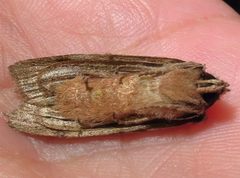
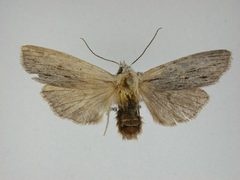
Distinguished from other Lithophane by geographic range (eastern United States) and period (June–July). The moderate wingspan (40 mm) and muted gray-brown coloration separate it from larger or more brightly patterned . Genitalia examination may be required for definitive identification from similar species such as Lithophane antennata.
Images
Habitat
Associated with coastal plain and eastern forest supporting its larval plants, including Atlantic white cedar swamps and eastern red cedar woodlands.
Distribution
Eastern United States and adjacent areas in Canada. Specifically documented from Connecticut, where it holds special conservation status, and surrounding regions of the northeastern and mid-Atlantic United States.
Seasonality
fly from June to July, with exact timing varying by location. This represents a single per year ().
Diet
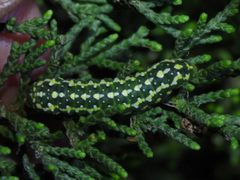
Larvae feed on Chamaecyparis thyoides (Atlantic white cedar) and Juniperus virginiana (eastern red cedar). feeding habits are not documented.
Host Associations
- Chamaecyparis thyoides - larval food plantAtlantic white cedar, a wetland conifer of the Atlantic coastal plain
- Juniperus virginiana - larval food plantEastern red cedar, widespread in eastern North America
Life Cycle
Complete with , larva, pupa, and stages. Larvae develop on coniferous plants. stage is not documented in available sources.
Behavior
are and attracted to light. Specific behavioral details beyond period are not documented.
Ecological Role
Larval herbivore on native conifers; contributes to nutrient cycling in cedar swamp and woodland . Serves as prey for including birds and bats.
Human Relevance
Subject to conservation concern in Connecticut due to loss affecting its plants. Not known to be an agricultural or forest pest.
Similar Taxa
- Lithophane antennataOverlaps in range and general appearance; requires careful examination or genitalia dissection for separation
- Other Lithophane species members share gray-brown coloration and similar size; geographic and phenological data assist identification
More Details
Conservation Status
Listed as a of special concern in Connecticut, indicating vulnerability and need for monitoring