
Platypolia anceps
(Stephens, 1850)
Ashen-spotted Brocade
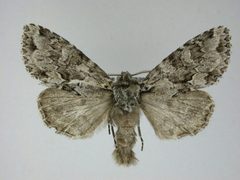
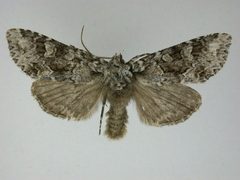
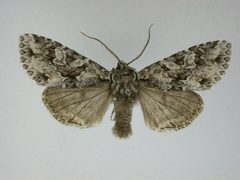
Platypolia anceps is a of or dart moth in the Noctuidae. It is known from North America, with records from the United States and Canada. The species is recognized by the Ashen-spotted Brocade and has been assigned MONA/Hodges number 9976. It was originally described by Stephens in 1850 under the name Polia anceps.
Pronunciation
How to pronounce Platypolia anceps: /ˌplætɪˈpoʊliə ˈænsɛps/
These audio files are automatically generated. While they are not always 100% accurate, they are a good starting point.
Images
Distribution
North America. Documented from Canada (Alberta, Manitoba, Saskatchewan) and the United States (Vermont). The full extent of its range within North America has not been comprehensively documented.
Human Relevance
The has been assigned MONA ( of North America) or Hodges number 9976, which is used in North American lepidopteran identification and cataloging systems.
More Details
Original description
Originally described as Polia anceps by Stephens in 1850, later transferred to Platypolia.
Nomenclature
The specific epithet 'anceps' is Latin, meaning 'two-headed' or 'double-edged', though the application to this is not documented in available sources.