
Platypolia
Grote, 1895
Species Guides
4- Platypolia anceps(Ashen-spotted Brocade)
- Platypolia contadina(cutworm moth)
- Platypolia loda(cutworm moth)
- Platypolia mactata(adorable brocade)
Platypolia is a of owlet moths in the Noctuidae, Noctuinae. The genus was established by Augustus Radcliffe Grote in 1895. It contains at least four described distributed in North America. Species within this genus are part of the diverse Noctuinae subfamily, which includes many temperate-zone species.
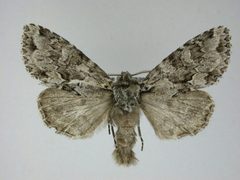
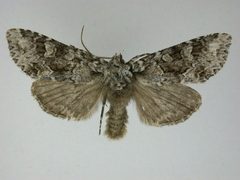
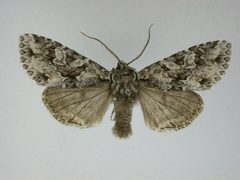
Pronunciation
How to pronounce Platypolia: /ˌplætɪˈpoʊliə/
These audio files are automatically generated. While they are not always 100% accurate, they are a good starting point.
Identification
-level identification relies on genitalia examination and wing pattern characteristics typical of Noctuinae. Specific diagnostic features distinguishing Platypolia from related noctuine genera such as Mamestra or Euxoa require examination. The genus is not readily separable from similar based on superficial external alone.
Images
Distribution
North America. Records include the northeastern United States, specifically Vermont. The appears to have a temperate distribution corresponding to the ranges of its constituent .
Similar Taxa
- MamestraBoth are Noctuinae with similar forewing patterning and body form; separation requires examination of male genitalia structure and specific wing venation details
- EuxoaClosely related noctuine with overlapping distribution; distinguished by differences in genital and subtle wing pattern elements
More Details
Taxonomic history
Platypolia was described by Grote in 1895. The has received limited modern taxonomic revision, and boundaries may benefit from further molecular and morphological study.
Species composition
Four are currently recognized: P. anceps (Stephens, 1850), P. contadina (Smith, 1894), P. loda (Strecker, 1898), and P. mactata (Guenée, 1852). The group shows some nomenclatural complexity with older specific epithets predating the generic description.