
Andropolia aedon
Grote, 1880
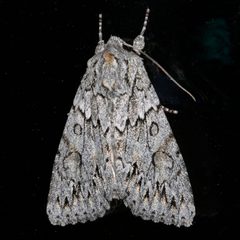
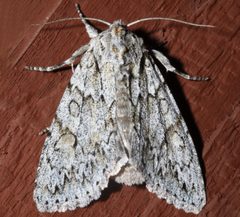
Andropolia aedon is a noctuid described by Grote in 1880. Originally described as Polia aedon, it was later transferred to the Andropolia. The species occurs in western North America from British Columbia and Alberta south through the Rocky Mountain region to California. Like other members of the Acronictinae, it is a species attracted to ultraviolet light sources.
Pronunciation
How to pronounce Andropolia aedon: //ˌændroʊˈpoʊliə ˈiːdɒn//
These audio files are automatically generated. While they are not always 100% accurate, they are a good starting point.
Images
Distribution
Western North America, from British Columbia and Alberta in Canada south to California in the United States. Specific distribution records include the Canadian provinces of Alberta and Saskatchewan, and the western United States.
Behavior
; attracted to blacklights and mercury vapor lights.
More Details
Taxonomic history
Originally described as Polia aedon Grote, 1880. Later transferred to the Andropolia.
Etymology
The specific epithet 'aedon' refers to Aedon, a figure from Greek mythology, the wife of Zethus and mother of Itylus; the name is also used in the of the house wren (Troglodytes aedon), though any direct connection is unclear.