Cerapteryx graminis
(Linnaeus, 1758)
Antler Moth
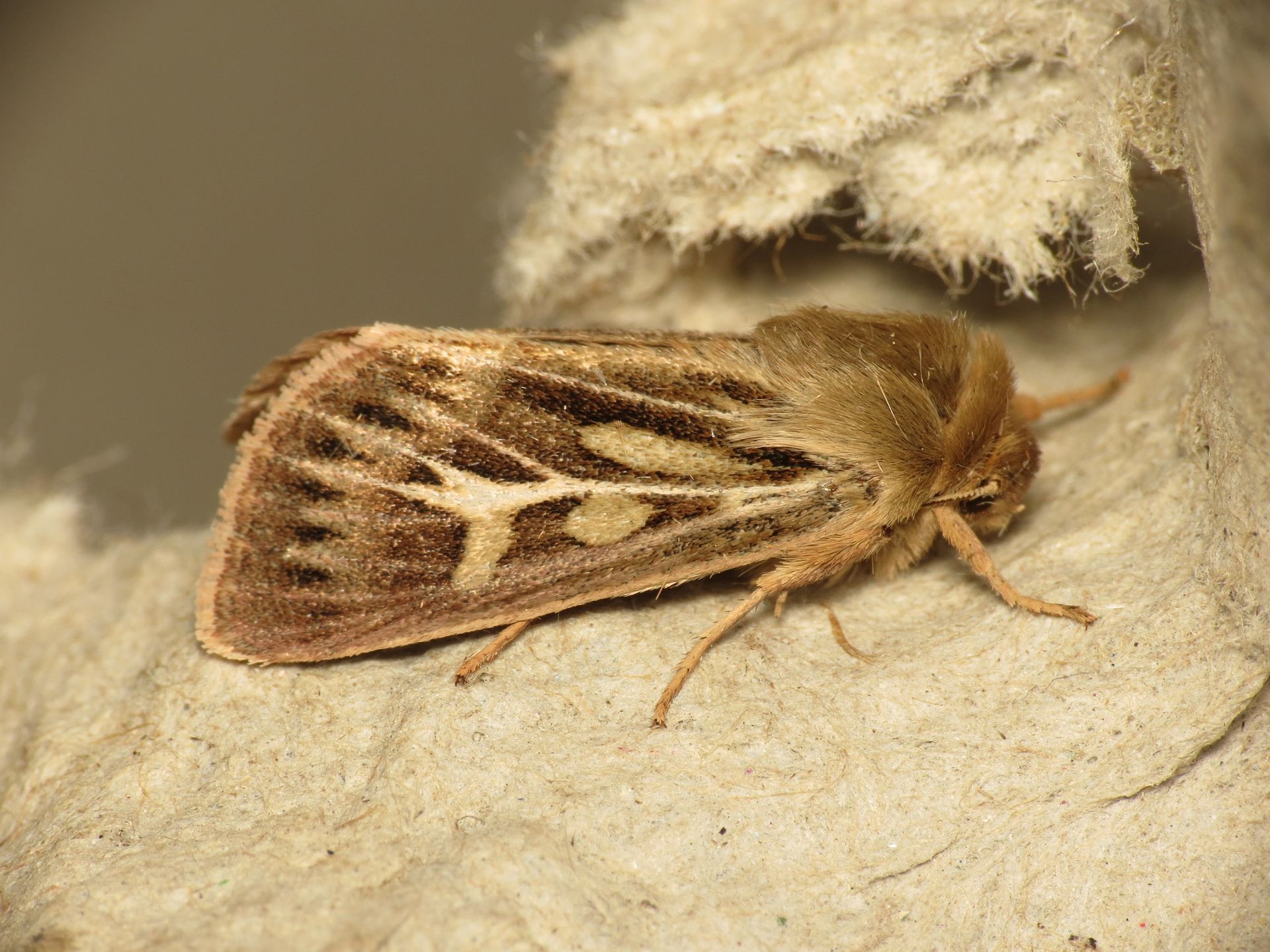
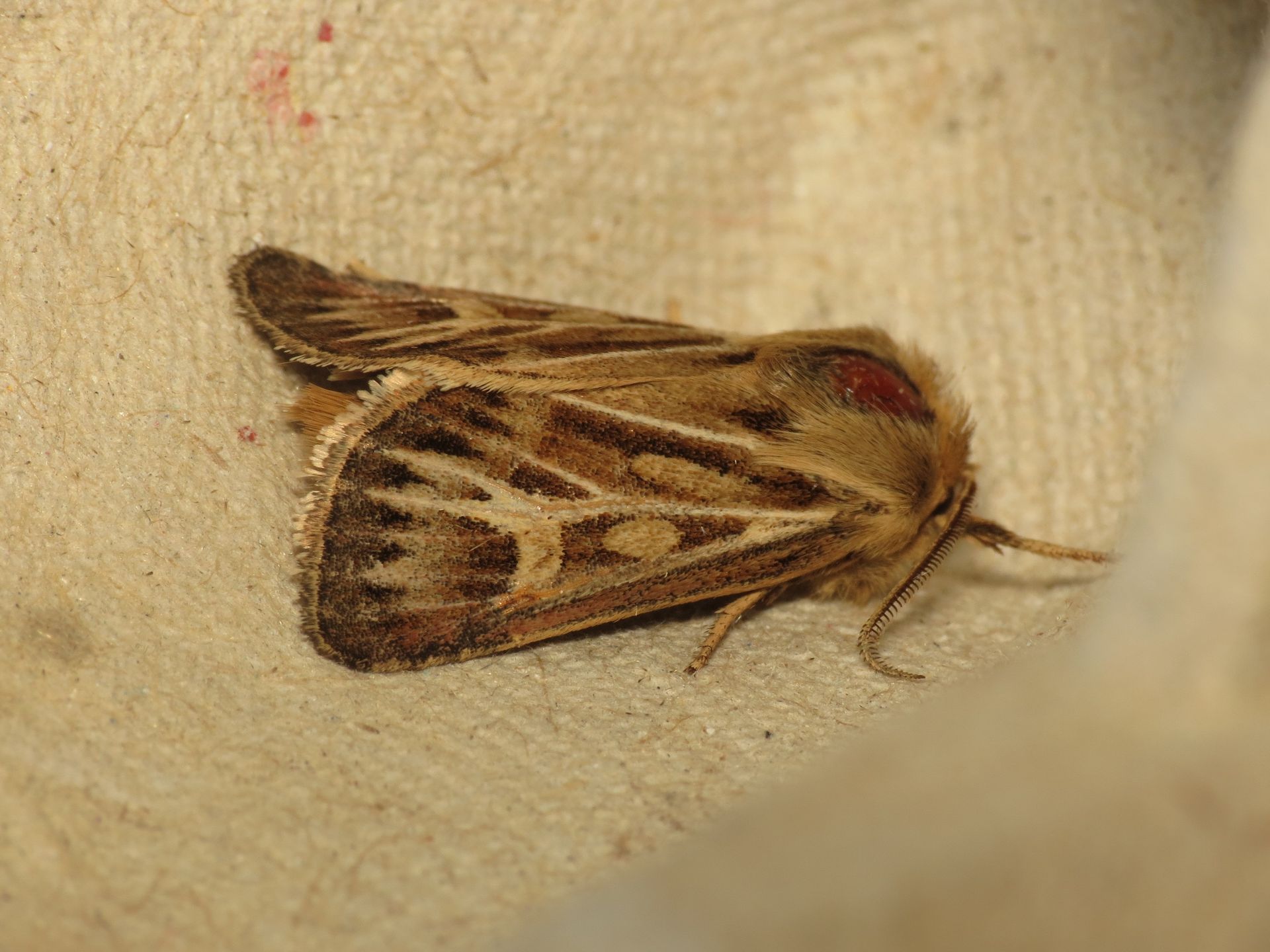
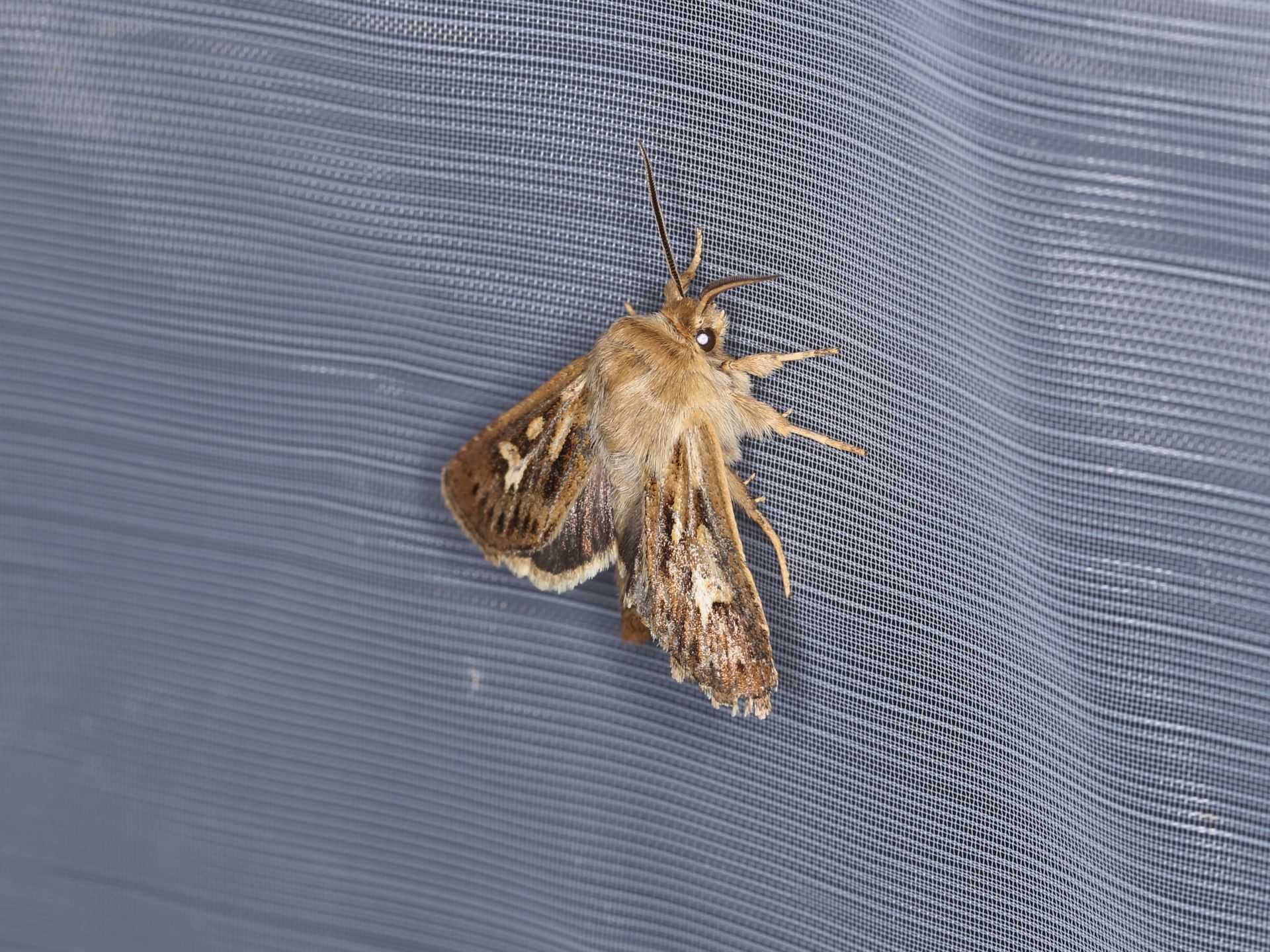
Cerapteryx graminis, commonly known as the antler moth, is a noctuid distinguished by the bold white branched basal streak on its forewings that resembles antlers. The exhibits marked , with females notably larger than males. It is primarily but also flies at night, and is attracted to both flowers and light. The species is native to Europe and northern Asia, has been introduced to North America, and occurs at elevations up to 2100 meters in the Alps.
Pronunciation
How to pronounce Cerapteryx graminis: //kɛˈræptərɪks ˈɡræmɪnɪs//
These audio files are automatically generated. While they are not always 100% accurate, they are a good starting point.
Identification
The bold white branched basal streak on the forewing is diagnostic and gives the its . The streak emits rays basewards along the and externally along veins 3 and 4. in size (females larger) aids identification. Similar species lack this distinctive antler-shaped marking. Form tricuspis has a more strongly developed trifid lower end of the stigma; form hibernicus has a pale elongated sometimes forked patch at the base of the forewing .
Images
Habitat
Grasslands, meadows, pastures, and open . Found from lowlands to alpine zones, reaching 2100 meters in the Alps. Absent from very dry southern regions of Europe.
Distribution
Native to Europe (common throughout most regions, lacking only in very dry southern areas), Iceland, above the Arctic Circle, Siberia, and North Mongolia. Introduced to North America. Present in Belgium (Flemish and Walloon regions).
Seasonality
active from July to September. Overwinters as .
Diet
Larvae feed on various grasses including Deschampsia, Festuca, and Nardus. feed on nectar from flowers.
Host Associations
- Deschampsia - larval food plantgrass
- Festuca - larval food plantgrass
- Nardus - larval food plantgrass
Life Cycle
Overwinters as . Larvae are greenish when young, becoming grey-brown to brown with age. details not specified in sources.
Behavior
Often flies during the day, especially in warm weather, which is unusual for a noctuid . Also flies at night and is attracted to light. Attracted to a range of flowers for nectar.
Ecological Role
Larvae are grass-feeders; can reach high densities and damage pastures. Serves as prey for various . Contributes to nutrient cycling in grassland .
Human Relevance
Sometimes considered a pest when larval are high enough to damage pastures. Otherwise of minor economic significance. Subject of entomological study due to its unusual activity for a noctuid.
Similar Taxa
- Other Noctuidae speciesLack the distinctive white branched basal streak on forewings; most are strictly rather than
More Details
Color forms
Multiple described forms exist: tricuspis (more strongly developed trifid lower end of ), obsoleta (markings obsolete), rufocosta (grey with red costal streak, from Hebrides), hibernicus (pale forked patch at base of ), albipuncta (white lower end of reniform entire, without pale ramification), gramineus (whitish , dark olive intervals, commoner in North Britain), pallida (extreme development of gramineus with broad white band), grisea (grey form with well-defined area from N. Germany)