
Achatia
Hübner, 1813
Quaker moths
Species Guides
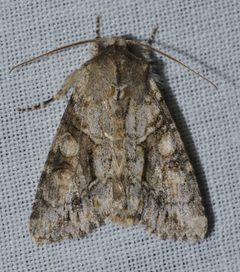
1- Achatia distincta(Distinct Quaker)
Achatia is a of owlet moths in the Noctuidae, commonly known as Quaker . The genus contains approximately 16 described distributed primarily in North America. Species within this genus are typically spring-flying moths attracted to light. The caterpillars are feeders on deciduous trees and shrubs.
Pronunciation
How to pronounce Achatia: /əˈkeɪʃə/
These audio files are automatically generated. While they are not always 100% accurate, they are a good starting point.
Identification
Achatia are medium-sized noctuid with relatively plain, dull coloration typical of the Quaker moth group. They can be distinguished from similar noctuine by genitalic characters and subtle wing pattern differences. The 'Quaker' refers to the drab, modest appearance of these moths. Species-level identification often requires examination of the male genitalia or careful comparison of wing markings.
Images
Habitat
Deciduous forests and woodlands, suburban areas with trees, and parks. Associated with trees including oak, elm, hickory, cherry, and grape.
Distribution
Primarily eastern North America, ranging from eastern Canada through the eastern United States. Most occur east of the Great Plains, with scattered records farther west. Distribution records include Vermont and other eastern US states.
Seasonality
Spring , with active from March through May depending on latitude and weather conditions. period triggered by warming temperatures.
Diet
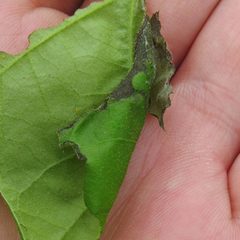
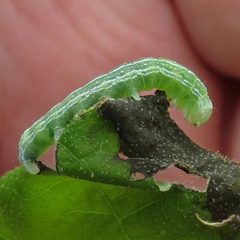
Caterpillars are feeders on leaves of common deciduous trees including oak, elm, hickory, cherry, and grape (Vitis). Specific plant records vary by .
Host Associations
- Quercus - larval food plantoak
- Ulmus - larval food plantelm
- Carya - larval food planthickory
- Prunus - larval food plantcherry
- Vitis - larval food plantgrape
Life Cycle
Complete with , larva, pupa, and stages. Caterpillars feed on foliage of trees. occurs in soil or leaf litter. Adults are and attracted to light.
Behavior
are and strongly attracted to ultraviolet light. They are early-season , among the first noctuids to appear in spring. Adults do not feed; larvae are solitary leaf feeders.
Ecological Role
Caterpillars function as primary consumers, processing leaf in deciduous forest . serve as prey for including bats and birds.
Human Relevance
Occasional minor pest of grape vineyards (Achatia distincta). Otherwise of minimal economic importance. Valued by enthusiasts and citizen scientists participating in blacklighting surveys.
Similar Taxa
- OrthosiaAlso Quaker in Noctuidae with similar drab appearance; distinguished by genitalic characters and subtle wing pattern differences
- HimellaFormerly included some now placed in Achatia; distinguished by structural characters
- AcronictaAnother Noctuidae with spring-flying ; Acronicta typically have more distinct wing patterns and dagger-like markings
More Details
Species diversity
The contains 16 described including Achatia distincta (Distinct Quaker), Achatia confusa, Achatia infidelis, and Achatia vomerina. Taxonomic boundaries have been revised historically, with some species transferred from related genera.
Taxonomic history
Established by Hübner in 1813. The has undergone taxonomic revision, with some formerly placed in Himella or other related genera. Currently classified in tribe Orthosiini, Noctuinae.