
Euxoa foeminalis
Smith, 1900
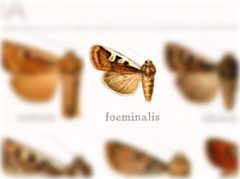
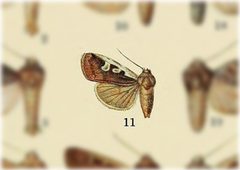
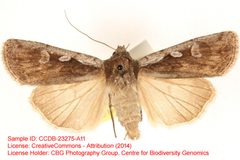
Euxoa foeminalis is a of cutworm moth in the Noctuidae, described by Smith in 1900. As a member of the Euxoa, it is part of a diverse group of owlet moths whose larvae are commonly known as cutworms. The species occurs in North America, though specific details about its and remain poorly documented in the available literature. Like other Euxoa species, it likely shares the general of larvae that feed on plant stems and foliage.
Pronunciation
How to pronounce Euxoa foeminalis: //juːkˈsoʊ.ə ˌfoʊ.mɪˈnæl.ɪs//
These audio files are automatically generated. While they are not always 100% accurate, they are a good starting point.
Images
Distribution
North America
Similar Taxa
- Euxoa auxiliaris, the most common and well-studied Euxoa in North America; E. foeminalis likely shares general and larval habits but lacks the documented mass and alpine of E. auxiliaris
- Euxoa mimallonisRuddy-winged dart, another Euxoa found in similar North American ; may be confused at light traps but specific distinguishing features for E. foeminalis are not documented in available sources
- Agrotis spp.Cutworm moths in the related Agrotis share similar larval habits and agricultural pest status; Euxoa typically have more pointed forewings and different genitalia structure, but field identification to species level requires expert examination
More Details
Taxonomic Note
Euxoa foeminalis was described by Smith in 1900, but it has received minimal subsequent taxonomic or biological study. The is accepted in major taxonomic databases (GBIF, Catalogue of Life, NCBI) but lacks the extensive documentation common to more economically important species like or Agrotis ipsilon.
Data Limitations
No iNaturalist observations were recorded for this at the time of source consultation. The absence of observational records suggests either genuine rarity, identification challenges, or underreporting due to the difficulty of distinguishing Euxoa species without specialized examination.
Sources and further reading
- BugGuide
- GBIF taxonomy match
- iNaturalist taxon
- NCBI Taxonomy
- Catalogue of Life
- Aboveground Pests - AgriLife Extension Entomology
- Stem- and Leaf- Feeding Insects - AgriLife Extension Entomology
- Bug Eric: Winter 'pillars
- How Army Cutworm Moths Bounce Between Midwest Heat and Alpine Cool
- Bug Eric: My Kind of Fourth of July
- Bug Eric: July 2019